


Last Updated: November 27, 2026
Quick Summary
Soft alpaca mittens keep cold hands warm because alpaca fiber has a hollow core, so each strand traps a pocket of air and insulates well for its weight while staying light and breathable against bare skin. For deep cold, choose a double-thick knit or lined mitten, and size down if you are between sizes so cold air cannot pool around your fingertips.
- Alpaca contains no lanolin, the waxy substance found in sheep's wool, so it rarely itches.
- Mittens keep fingers together and generally keep hands warmer than gloves, which offer more dexterity.
- The Iditarod 100% Alpaca Double-Thick Reversible Gloves cost $41.95 and use two layers of 100% alpaca.
- The Alpaca Work/Play Lined Mittens cost $61.95 and pair a U.S. alpaca shell with a bouclé lining.
- Hand wash in room-temperature water with gentle soap and air dry flat, skipping the dryer.
Table of Contents
- What Makes Soft Alpaca Mittens for Cold Hands Different
- Are Alpaca Gloves Warm Enough for Winter?
- Alpaca vs. Merino Warmth: How the Two Fibers Compare
- Alpaca Wool for Sensitive Skin: Why It Rarely Itches
- Warm Mittens for Extreme Cold: Mittens, Gloves, and Glittens
- Comparing Five Pairs of Alpaca Mittens and Gloves
- Fit, Sizing, and Caring for Your Alpaca Mittens
- Choosing the Right Pair for Your Hands
- Frequently Asked Questions
What Makes Soft Alpaca Mittens for Cold Hands Different
Soft alpaca mittens for cold hands work differently from synthetic gloves because alpaca fiber traps warmth in hollow-core strands while staying light against the skin. At Purely Alpaca, we have sold alpaca accessories since 2002, and the same question comes up every winter: why do these mittens feel warm without the bulk?
The answer sits in the fiber itself. Alpaca fleece has a hollow core, so each strand holds a pocket of air. That structure insulates well for its weight.
Most winter gloves fail in one of two ways. They block wind but trap sweat, or they breathe but let cold straight through. Alpaca sits in the middle: warm, breathable, and soft enough to wear against bare skin.
Below, we break down warmth, fiber comparisons, fit, and care so you can pick the right pair the first time.
Are Alpaca Gloves Warm Enough for Winter?
Alpaca gloves can be warm enough for winter, and the fiber's hollow-core structure contributes to their insulation. The construction of the glove matters as much as the fiber.
A single-layer knit suits commuting, errands, and mild winter days. For deep cold or long hours outdoors, you want a double-thick knit or a lined mitten. Our Iditarod 100% Alpaca Double-Thick Reversible Gloves ($41.95) are built for exactly that: two layers of 100% alpaca, fully reversible so you can flip the color to match your coat.
Wind is the other factor. Knit alpaca blocks chill well in still air, but a tight weave or an outer shell helps on exposed ridgelines. Pair a thin fingerless pair underneath a heavier outer glove and you get warmth plus the dexterity to work a zipper or a phone.
Alpaca vs. Merino Warmth: How the Two Fibers Compare
Alpaca and merino behave differently in cold, wet conditions, and the construction around the fiber often matters as much as the fiber itself.
Here is how they stack up:
| Factor | Alpaca | Merino |
|---|---|---|
| Warmth per ounce | Higher, hollow-core insulation | Moderate, solid fiber |
| Feel against skin | Silky, low prickle | Soft, slight texture |
| Moisture handling | Wicks well, stays dry | Wicks well, absorbs more |
| Durability | Strong, resists pilling | Good, softer wear over time |
| Lanolin content | None | Trace amounts |
For a deeper breakdown of how the two fibers handle winter, see our alpaca wool vs sheep wool comparison.
Construction Trade-Offs That Change Warmth More Than Fiber Choice
A single-layer knit in either fiber suits commuting, errands, and mild winter days. For deep cold or long hours outdoors, a double-thick knit or a lined mitten changes the equation more than switching from merino to alpaca. Our Iditarod 100% Alpaca Double-Thick Reversible Gloves ($41.95) use two layers of 100% alpaca, fully reversible, so you can flip the color to match your coat. The Alpaca Work/Play Alpaca Lined Mittens ($61.95) pair a thick U.S. alpaca outer shell with a soft bouclé lining.
Warmth by Temperature and Activity
Wind is the other factor. Knit alpaca blocks chill well in still air, but a tight weave or an outer shell helps on exposed ridgelines. Pair a thin fingerless pair underneath a heavier outer glove and you get warmth plus the dexterity to work a zipper or a phone.
Watch out: a mitten that fits loosely lets cold air pool around your fingertips, which can make even a thick liner feel cold. Size down if you are between sizes, and check the chart rather than guessing.
Alpaca Wool for Sensitive Skin: Why It Rarely Itches
Alpaca fiber is often described as soft against the skin, and it contains no lanolin, the waxy substance found in sheep's wool.
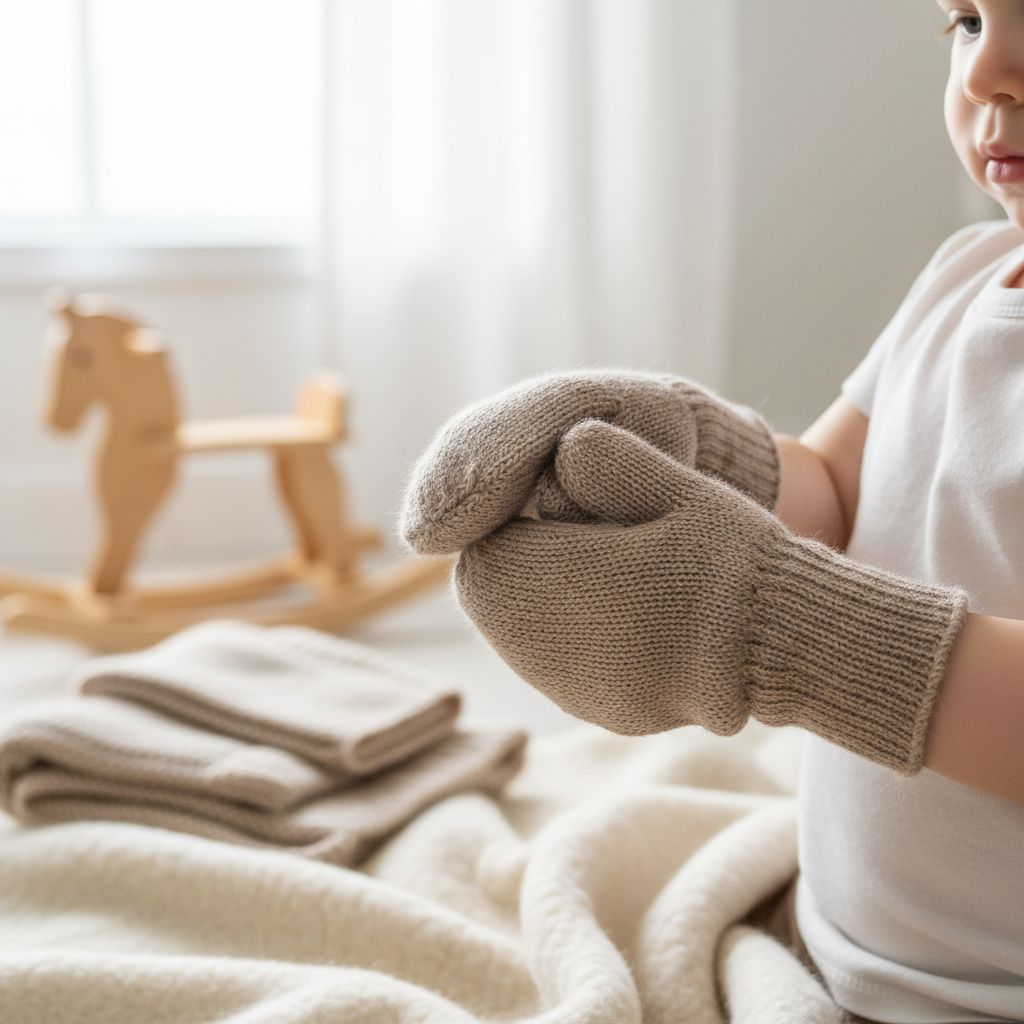
Our Kids Alpaca Mittens ($14.95) are made from 100% baby alpaca, which is soft and warm without excess bulk.
One caveat worth stating plainly. No fiber is guaranteed reaction-free for every person, and a patch of eczema can flare from friction alone. If your skin is highly reactive, wear a thin liner and test a short session first. For the full picture on sensitive skin and alpaca, read our guide on whether alpaca wool is itchy for sensitive skin.
Warm Mittens for Extreme Cold: Mittens, Gloves, and Glittens
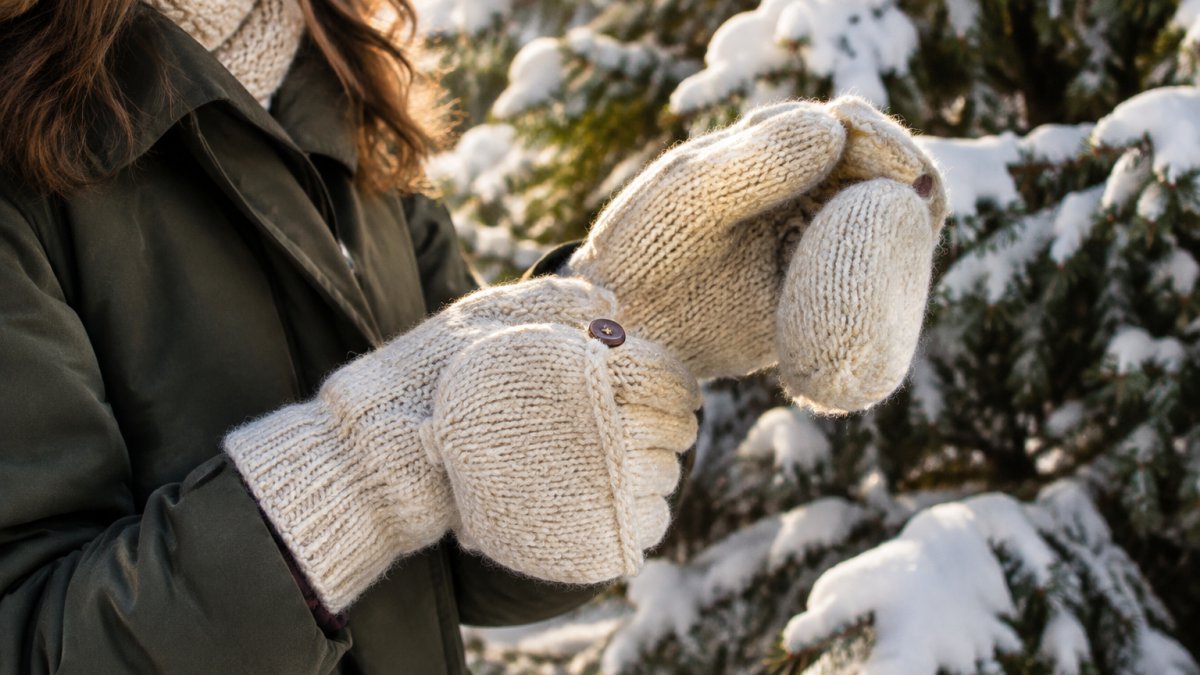
Mittens keep fingers together, which generally keeps hands warmer than gloves. Gloves offer more dexterity. Glittens combine features of both.
Here is how the three styles compare on the trade-offs that matter:
| Style | Warmth | Dexterity | Best For |
|---|---|---|---|
| Mittens | Highest | Lowest | Deep cold, low activity |
| Gloves | Moderate | Highest | Driving, texting, fine tasks |
| Glittens | High | High when open | Hunting, photography, mixed use |
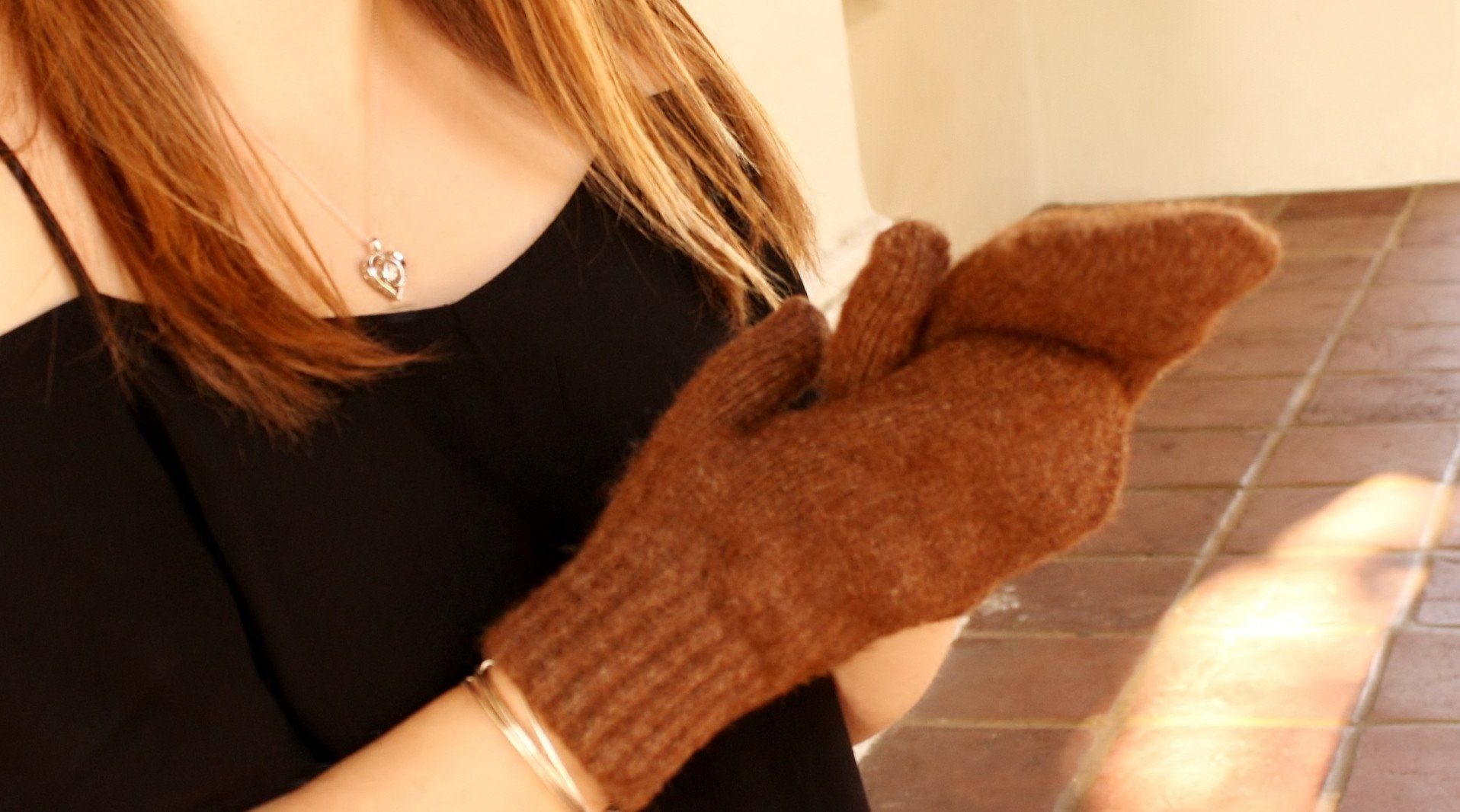
Our Alpaca Work/Play Alpaca Lined Mittens ($61.95) pair a thick U.S. alpaca outer shell with a soft bouclé lining, The Iditarod 100% Alpaca Thick GLITTENS ($59.95) give you the warmth of a mitten with a flap that buttons back so your fingers are free when you need them.
Watch out: a mitten that fits loosely lets cold air pool around your fingertips. Size down if you are between sizes, and check the chart rather than guessing.
Comparing Five Pairs of Alpaca Mittens and Gloves
Five pairs cover nearly every winter use case, from a $14.95 kids' mitten to a $61.95 work mitten. Each one solves a different problem, so the right pick depends on how and where you wear them.
1. Iditarod 100% Alpaca Double-Thick Reversible Gloves, $41.95. Two layers of 100% alpaca, fully reversible, unisex sizing. Knit gloves stretch only a little, so measure before ordering.
2. Iditarod 100% Alpaca Thick GLITTENS, $59.95. Mitten-style warmth with a button-back flap and a thumb slit, giving quick finger access. Skip if you never need your fingers free, since a plain mitten is simpler.
3. Alpaca Work/Play Alpaca Lined Mittens, $61.95. U.S. alpaca shell with a bouclé lining, undyed natural colors, made in the USA. Best for outdoor work and long cold days. Note that these may run slightly small, and most women wear the Small.
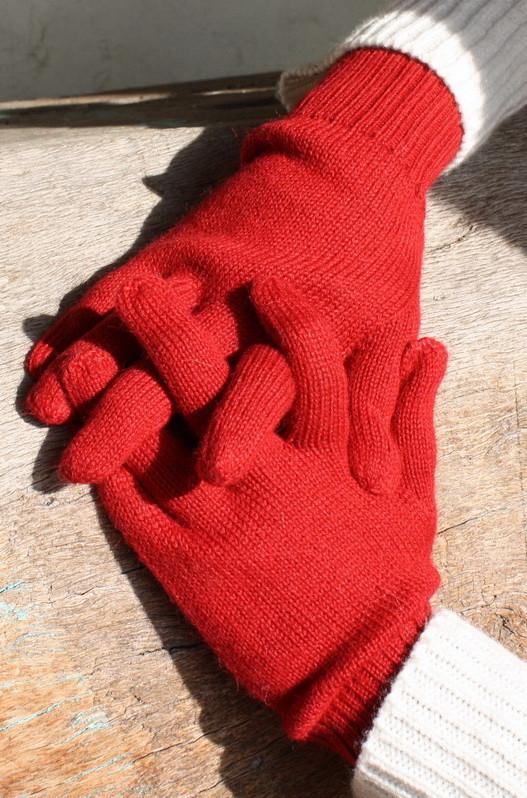
4. Colorful 100% Alpaca Fingerless Knit Gloves, $31.95. Thin, warm, and bright. They leave your fingertips exposed. You can see the full-fingered version in our colorful knit alpaca gloves.
5. Kids Alpaca Mittens, $14.95. 100% baby alpaca, soft and warm without bulk, in infant through children's small. Best for sharing alpaca warmth with a young one.
Prices of five alpaca mittens and gloves
Fit, Sizing, and Caring for Your Alpaca Mittens
Fit decides whether a mitten feels warm or drafty, and care decides whether it lasts more than a season. Get both right and a good pair will carry you through many winters.
Sizing and Fit Across Hand Shapes
Knit alpaca has some stretch but not a lot. Measure the length of your hand from the base of the palm to the tip of your middle finger, and match it to the chart rather than assuming your usual size. Women typically wear a smaller size, and the Work/Play mittens run just slightly small, so size up if you are on the edge. For gloves, measure around the palm at the widest point as well, since a snug palm fit keeps the knit from twisting. If you have long fingers or a wide palm, prioritize the palm measurement for gloves and the length measurement for mittens. A mitten should have a little room at the tip for air to warm, but not so much that it slides off when you make a fist.
Care, Washing, and Long-Term Durability
Hand wash in room-temperature water with a gentle soap or hair shampoo, then air dry flat. Skip the dryer. Heat and agitation are what shrink and felt wool fibers, and a few minutes of machine drying can undo years of careful wear. Store folded, not hung, so the knit keeps its shape.
Realistic expectations matter. A small fabric comb or a few passes with a sweater stone removes it without damaging the knit. Hand washing in room-temperature water and air drying flat is the recommended care method. Lined mittens dry more slowly because of the inner layer, so air them inside out after a sweaty day. For a closer look at durability and long-term care, our guide to durable alpaca fiber gloves for winter sports walks through washing, drying, and repair in more detail.
Watch out: storing damp mittens in a closed bag or a warm car encourages mildew and weakens the fiber, so let them dry fully before packing them away for the season.
Choosing the Right Pair for Your Hands
The right pair comes down to three questions: how cold, how long, and how much finger work. Answer those and the choice is straightforward.
- Deep cold, low activity: lined mittens for maximum shared warmth.
- Mixed outdoor activity: glittens, so you can free your fingers fast.
- Daily commuting and errands: double-thick reversible gloves.
- Layering or indoor use: fingerless knit gloves.
- A young one in the family: kids' baby alpaca mittens.
A common mistake is buying one pair for everything. Most people who spend real time outdoors end up with two: a heavy mitten for the worst days and a lighter glove for everything else.
Winter does not have to mean cold, clammy hands. Purely Alpaca has offered naturally warm alpaca accessories since 2002, with free shipping on orders of $100 or more and hassle-free returns if the fit is not right. Start with the Iditarod Double-Thick Reversible Gloves, a 100% alpaca pair built for serious cold, and add a lighter layer for milder days. Get started with Purely Alpaca and keep your hands warm all season.
Frequently Asked Questions
Which is warmer, alpaca or merino?
Alpaca fiber has a hollow core that traps air. Merino is finer and is often used for thinner base layers. Purely Alpaca's Iditarod 100% Alpaca Double-Thick Reversible Gloves are made from 100% alpaca.
Are alpaca mittens soft enough for sensitive skin?
Alpaca fiber contains no lanolin. If your skin reacts to regular wool, you may want to start with a short wear test, such as the Colorful 100% Alpaca Fingerless Knit Gloves at $31.95, before wearing them for longer periods. Anyone with a diagnosed fiber allergy should patch test before a full day outdoors.
Do alpaca mittens keep hands warmer than gloves?
Mittens keep fingers together in one pocket. Gloves give you dexterity for zippers, triggers, and phone screens. Glittens combine features of both: the Iditarod 100% Alpaca Thick Glittens at $59.95 have a button-back mitt flap and a thumb slit, so your fingers can be free when you need them.
How should alpaca mittens fit?
Snug at the wrist, roomy at the fingertips. The knit should sit comfortably on your hand. Purely Alpaca's Work/Play Lined Mittens run slightly small, so size up if you are between sizes; most women take a Small and most men a Large. Their gloves and glittens have some stretch but not a lot, so measure your hand length and pick the closest size.
