





Table of Contents
- Why Alpaca Fiber Gloves Outperform Synthetics in Winter Sports
- What to Look for in Durable Alpaca Fiber Gloves
- Top Picks: Durable Alpaca Fiber Gloves for Every Winter Activity
- Alpaca Wool Moisture Wicking Properties: Why Your Hands Stay Dry
- Dexterity vs. Warmth: Choosing the Right Style for Your Sport
- How to Care for Alpaca Gloves: Extending Their Lifespan
- Best Moisture Wicking Socks for Winter: Complete Your Layering System
- Conclusion
- Frequently Asked Questions
Last Updated: September 8, 2026
When the mercury drops and you're heading out for a day of skiing, snowshoeing, or backcountry trekking, your hands are often the first to feel the cold. Standard synthetic gloves fall short when you demand both warmth and dexterity in harsh conditions. Durable alpaca fiber gloves for winter sports have emerged as a superior choice for outdoor enthusiasts. This guide from Purely Alpaca, a family-owned business specializing in alpaca products since 2002, breaks down what makes these natural fiber gloves worth your investment, how to choose the right pair, and which specific models deliver the best results on the mountain.
The market for high-performance handwear has grown increasingly crowded, but a closer look at the materials tells a clear story. While many brands push synthetic blends, testing from Outdoor Gear Lab's 2026 comparative testing of winter handwear confirms that specific material blends and construction methods are required to deliver durability and warmth in winter sports environments. Alpaca fiber, with its unique hollow-core structure, offers thermal efficiency that synthetics struggle to match. Below, we'll explore exactly how alpaca stacks up, what to look for, and the top picks that have earned their place in our lineup.
Why Alpaca Fiber Gloves Outperform Synthetics in Winter Sports
Alpaca fiber gloves are not just another winter accessory; they are a performance tool. Unlike solid synthetic filaments, alpaca fiber features a hollow core that traps air, creating a natural insulation barrier that regulates temperature effectively. This means your hands stay warmer in extreme cold without the bulk that limits movement.
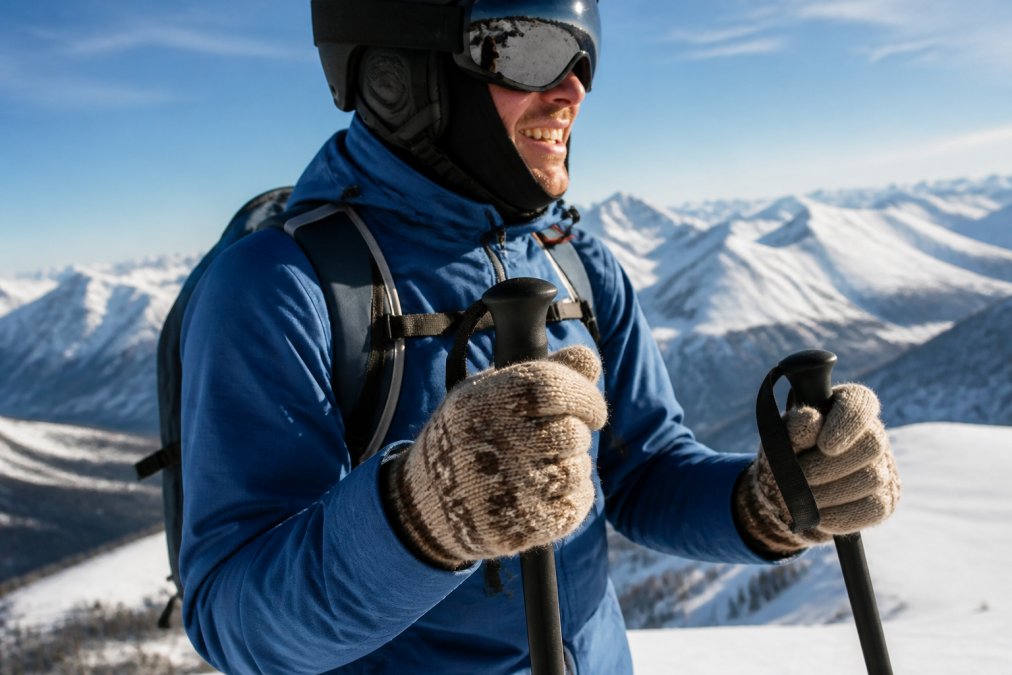
Synthetics often promise warmth but can leave your hands clammy and cold once you start to sweat. Alpaca, in contrast, is naturally moisture-wicking and breathable. It pulls perspiration away from your skin and allows it to evaporate, preventing the damp chill that leads to cold hands. Research into the top 100 winter gloves from Treeline Review's 2026 market research on winter sports gear indicates that specialized materials are necessary for specific activities like running, cycling, and skiing, and natural fibers are often the core of that specialization.
Where synthetics truly lag is in odor resistance and longevity. Synthetic fibers tend to harbor bacteria, leading to unpleasant smells after a few uses. Alpaca fiber is naturally odor-resistant and requires less frequent washing, making it a more hygienic choice for multi-day trips and a smarter long-term investment than disposable synthetic options.
What to Look for in Durable Alpaca Fiber Gloves
When you start shopping for alpaca fiber gloves, not all are created equal. The term "durable" is key for winter sports, where gloves endure friction from poles, ropes, and ice. Look beyond just the label "alpaca" and examine the construction and blend.
First, consider the fiber blend. While 100% alpaca offers maximum warmth, a small percentage of nylon or elastane adds significant strength and elasticity. For instance, a blend of 80% alpaca and 20% nylon creates a glove that is both warm and tough enough for farm work or rigorous outdoor activity. Conversely, some performance gloves use a blend like 47% alpaca, 43% acrylic, and 10% elastane to balance cost and flexibility, as seen in some performance-oriented alpaca winter gloves listed on eBay.

Second, assess the knit density. A tightly knit glove will be more wind-resistant and durable than a loose, fluffy one. As Backpacking Light's fiber durability analysis notes, alpaca fiber may be less durable than Merino wool unless it is woven or knitted very tightly. Pay attention to the weave; a dense, consistent stitch is your best defense against premature wear and pilling.
Finally, think about features. Do you need touchscreen compatibility for using your phone on the lift? Look for gloves with integrated conductive threads. For extreme conditions, a longer cuff or a gauntlet style helps seal out snow. And for dexterity, consider whether a full-finger glove, a fingerless glove, or a convertible "glitten" best suits your activity. A summary of what to prioritize:
| Feature | What to Check | Why It Matters |
|---|---|---|
| Fiber Blend | 80-100% alpaca, with nylon for strength | Balances insulation with durability |
| Knit Density | Tight, consistent weave | Blocks wind and resists abrasion |
| Cuff Style | Long cuff or gauntlet | Prevents snow from entering |
| Touchscreen Tech | Conductive fingertips | Allows device use without removal |
Top Picks: Durable Alpaca Fiber Gloves for Every Winter Activity
Choosing the right glove depends heavily on your primary activity. Are you ice climbing and need maximum dexterity, or are you standing still at a frozen lake fishing hole and need maximum warmth? We've selected top-performing models from our own lineup at Purely Alpaca to match different winter sports scenarios.
Iditarod 100% Alpaca Double-Thick Reversible Gloves: Maximum Warmth for Extreme Cold
For the most brutal conditions, where temperatures plummet and the wind howls, this is the glove you want. The Iditarod gloves are our top pick for extreme cold because they are double-thick and fully reversible, offering two distinct looks and an extra layer of insulation. Constructed from 100% alpaca, they provide serious warmth without the weight of traditional heavy mittens.
These gloves were created specifically in response to customer requests for a rugged, hearty, and stylish option for extreme weather. They are designed to be functional even when the cold is unrelenting. At a price point of $41.95, they offer a specialized solution. While a premium product like the heavyweight reversible alpaca gloves from Painted Sky Alpaca Farm retails around $78.00, the Iditarod provides exceptional value for a 100% alpaca double-thick design. The unisex sizing runs true, but these knit gloves have limited stretch, so it is wise to measure your hand and pick the size closest to your measurements to ensure a proper fit.
Alpaca Knit Lined Cowhide Leather Gloves: Rugged Durability for Work and Sport
When your winter sport involves more than just gliding, such as handling gear, gripping an axe, or motorcycle riding in cooler weather, you need a tougher exterior. The Alpaca Knit Lined Cowhide Leather Gloves combine a soft, supple cowhide leather outer shell with a warm, USA-grown alpaca knit liner, offering the abrasion resistance of leather with the thermal regulation of alpaca.
This glove achieves a long-sought goal of producing USA-made work and driving gloves with a warmth lining made from USA-grown alpaca fleece. The inner knit glove is made with 80% alpaca and 20% nylon for strength. Priced at $69.95, they are an investment, but they are built to last. One crucial tip: these gloves need to be "broken in" to mold to your hand for a custom fit. They have a strong following among sportsmen and those who need a reliable grip.
Alpaca Work/Play Gloves and Fingerless Gloves: Versatile Performance
For a wider range of activities, from shoveling the driveway to a brisk hike, the Alpaca Work/Play Gloves offer "farm tested, farm tough" performance. Made in the USA from an 80% American-grown alpaca and 20% nylon blend, these gloves are praised by hunters, fishermen, and farmers for their warmth and resilience. The hollow-core insulation factor keeps hands warm even when wet, and they are often used as a liner inside a larger shell glove.
If you need to stay connected, the Alpaca Work/Play Fingerless Gloves are the perfect solution. These texting-friendly gloves provide the same warmth and durability but leave your fingertips free for tasks requiring fine motor skills, such as handling a camera, tying a knot, or using a touchscreen phone. Both styles are available at accessible price points of $32.95 and $34.95, respectively, proving you don't need to spend a fortune to get the benefits of this remarkable fiber.
Alpaca Wool Moisture Wicking Properties: Why Your Hands Stay Dry
The primary reason your hands feel cold is often moisture. When sweat accumulates inside a non-breathable glove, it conducts heat away from your skin rapidly. The alpaca wool moisture wicking properties are what set this fiber apart. Because alpaca fiber is hollow, it is highly absorbent yet also allows for rapid evaporation, pulling moisture away from the skin and releasing it into the air. Dry hands are warm hands.
This natural breathable protection is a key advantage over synthetic materials that trap sweat. Alpaca also regulates temperature effectively, providing insulation in the cold but preventing overheating during high-exertion activities. Unlike wool from sheep, alpaca fiber is smoother and contains no lanolin, making it naturally hypoallergenic and less likely to cause itching.
Dexterity vs. Warmth: Choosing the Right Style for Your Sport
Every winter sports enthusiast faces the eternal trade-off between dexterity and warmth. Mittens offer the warmest option because your fingers share heat, but they sacrifice fine motor control. Full-finger gloves provide a balance, while fingerless gloves offer maximum dexterity for precision tasks but expose your fingertips to the cold.
Match the glove style to the specific demands of your activity. For ice climbing or backcountry skiing where you need to handle gear and ropes, a dexterous full-finger glove with a good grip is essential. For resort skiing, a warmer glove or mitten is often preferred. For photography or dog sledding, fingerless gloves or "glittens" with a convertible mitten hood are ideal.
How to Care for Alpaca Gloves: Extending Their Lifespan
Knowing how to care for alpaca gloves is essential for protecting your investment. Alpaca fiber is naturally resilient, stain-resistant, and wrinkle-resistant, requiring less frequent washing than synthetics. However, proper care will maximize their lifespan and maintain their insulating properties.

Most alpaca gloves, especially those with a nylon blend for durability, should be hand-washed. Use room temperature water and a gentle laundry soap or mild hair shampoo. Avoid hot water, which can shrink and felt the fiber. Gently squeeze the water out, do not wring or twist, and lay them flat to dry away from direct heat or sunlight.
For gloves with leather exteriors, like the Knit Lined Cowhide Leather Gloves, spot cleaning the leather is usually sufficient. The inner alpaca liner may not need washing as often, thanks to the fiber's natural odor-resistant properties. Airing them out after use is often all they need to stay fresh. With proper care, high-quality alpaca gloves can provide years of reliable service.

Best Moisture Wicking Socks for Winter: Complete Your Layering System
Your hands are not the only part of your body that suffers in the cold. To truly enjoy winter sports, you need a complete layering system, and that starts from the ground up. Pairing your durable alpaca fiber gloves with the best moisture wicking socks for winter is the secret to staying comfortable all day. Just as your gloves manage moisture to keep your hands warm, your socks must do the same for your feet.
Alpaca socks are the ideal companion to your alpaca gloves, offering the same benefits: superior moisture-wicking, breathable protection, and thermal regulation. Unlike cotton socks, which become heavy and cold when wet, alpaca socks keep your feet dry and warm. They are also naturally odor-resistant and soft. To complete your cold-weather kit, look for heavy or mid-weight alpaca socks that provide cushioning and warmth without adding bulk inside your boots.
Conclusion
Choosing the right handwear is a critical decision for anyone serious about winter sports. Durable alpaca fiber gloves for winter sports offer a unique combination of natural insulation, moisture management, and comfort that synthetics simply cannot replicate. By understanding the fiber's properties, selecting the right style, and caring for your gloves properly, you can enjoy warm, dry hands in the harshest conditions.
Finding gear that performs as promised can be a challenge, but it doesn't have to be. At Purely Alpaca, we've spent over two decades curating a collection of high-quality alpaca products that meet the demands of outdoor enthusiasts. From our rugged Work/Play Gloves to the extreme-warmth Iditarod Reversible Gloves, our lineup is designed to keep you comfortable without sacrificing functionality. Explore our full range of alpaca accessories and experience the difference that natural fiber luxury can make on your next adventure.
Frequently Asked Questions
Are alpaca fiber gloves really warm enough for winter sports?
Yes. Alpaca fiber has hollow-core insulation that traps heat effectively, making it warmer than sheep's wool of the same thickness. The Iditarod 100% Alpaca Double-Thick Reversible Gloves are designed for extreme weather and provide serious warmth for activities like skiing and snowshoeing. For high-intensity sports, look for double-thick knits or lined styles to maintain warmth without adding bulk.
What are the downsides of alpaca wool for gloves?
The main downside is durability. Alpaca fiber can be less resilient than Merino wool unless tightly spun or blended with nylon. Many performance gloves use an 80% alpaca and 20% nylon blend to improve strength while retaining softness. Pure alpaca gloves, like the Iditarod style, are best for low-abrasion activities. Always check the fiber blend and construction to match your intended use.
How do I clean and maintain alpaca fiber gloves?
Hand wash alpaca gloves in room-temperature water with a gentle wool wash or mild shampoo. Avoid wringing or twisting. Press out excess water, reshape, and lay flat to dry away from direct heat. Never use a washing machine or dryer, as agitation causes felting and shrinkage. Proper care keeps the fibers soft, maintains their insulating properties, and extends the life of your gloves.
Are alpaca fiber gloves suitable for people with sensitive skin?
Yes. Alpaca fiber is hypoallergenic and contains no lanolin, the substance in sheep's wool that often causes itching and irritation. The smooth fiber scales are less likely to prick the skin. This makes alpaca gloves a comfortable choice for people with eczema or sensitivity to traditional wool, allowing extended wear during cold-weather activities without discomfort.