



Table of Contents
- Why Alpaca Fiber Excels in Winter Socks
- Alpaca vs Merino Wool Socks: Performance Comparison
- Are Alpaca Socks Hypoallergenic and Safe for Sensitive Skin
- How to Wash Alpaca Socks and Maintain Durability
- Frequently Asked Questions
Last Updated: August 31, 2026
Why Alpaca Fiber Excels in Winter Socks
Alpaca fiber delivers exceptional warmth without bulk, making it superior for winter socks. The hollow core structure traps air more efficiently than other natural materials, creating a thermal barrier for extreme cold. According to research on alpaca fiber thermal properties, alpaca naturally locks in warmth when needed and releases it when not, ideal for every season.
Alpaca absorbs only 8-11% of its weight in moisture, compared to merino wool's 30-35%, keeping feet dry during intense activity. independent lab testing on alpaca's antimicrobial properties shows alpaca reduces Staphylococcus aureus by 99.2%, significantly superior to merino's 42.5%. For winter hiking, harsh climates, or sensitive skin, alpaca socks outperform synthetic and wool alternatives through durability, comfort, and a material that improves with proper care.

Alpaca vs Merino Wool Socks: Performance Comparison
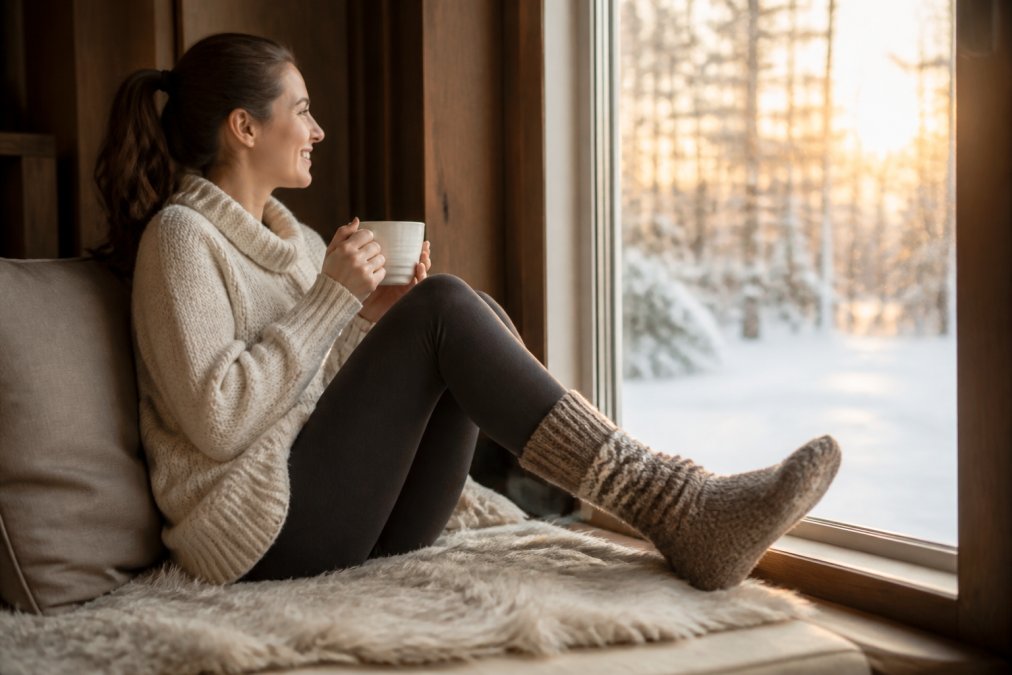
Alpaca and merino wool both perform in cold conditions but excel differently. Merino is lighter and more elastic for high-intensity aerobic activities; alpaca provides superior thermal insulation and durability when warmth and longevity matter most.
According to fiber testing data from Yocom-McColl Testing Lab and Texas A&M, alpaca achieves 50 N/ktex tensile strength versus merino's 30-40 N/ktex, translating to longer-lasting socks resistant to pilling. Alpaca is 30% more thermally efficient than sheep's wool. However, pure alpaca lacks merino's natural crimp elasticity, so quality alpaca socks include small amounts of spandex or nylon for shape retention. Merino handles high-intensity sweating better during active movement.

| Feature | Alpaca Fiber | Merino Wool |
|---|---|---|
| Thermal Efficiency | 30% warmer per weight | Standard baseline |
| Moisture Absorption | 8-11% | 30-35% |
| Tensile Strength | 50 N/ktex | 30-40 N/ktex |
| Odor Resistance | 99.2% bacteria reduction | 42.5% bacteria reduction |
| Best For | Cold weather, durability | Active aerobic use |
| Price Point | Premium | Mid-range |
Are Alpaca Socks Hypoallergenic and Safe for Sensitive Skin
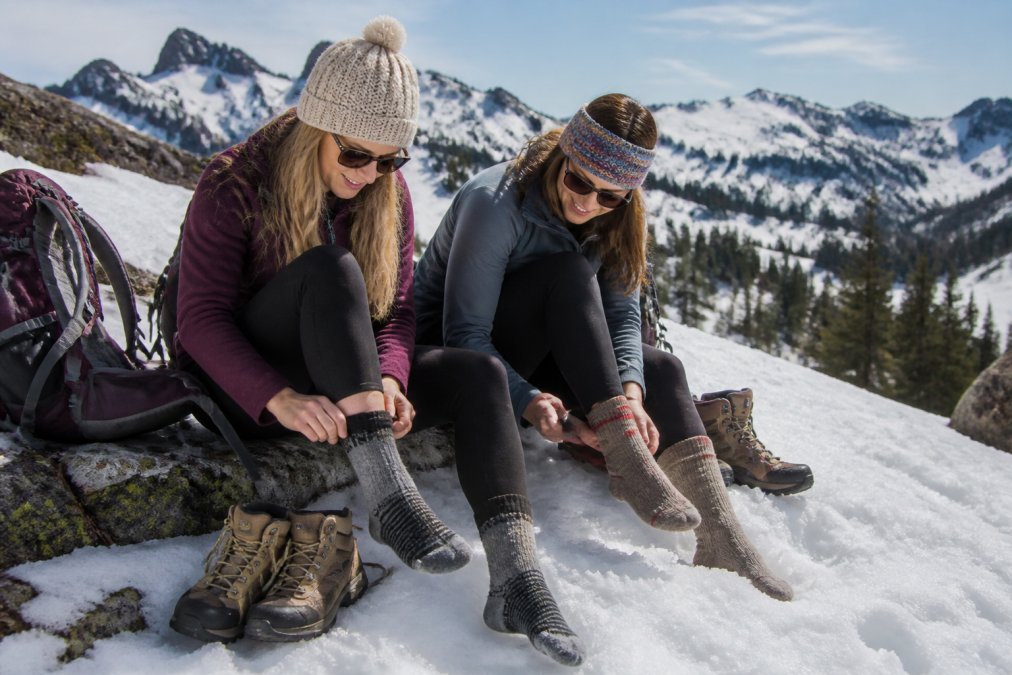
Alpaca fiber is naturally lanolin-free, making it genuinely hypoallergenic for anyone with eczema, sensitive skin, or wool allergies. Lanolin, the waxy substance in sheep's wool, triggers irritation in many people; alpaca contains none. According to consumer preference research on alpaca fiber, 46% of consumers prefer alpaca for its lanolin-free, hypoallergenic properties.
Alpaca's fine micron count means thinner, gentler fibers against skin, creating comfort without itching. Unlike synthetics that trap heat and moisture, alpaca breathes naturally while remaining gentle. If you've had negative experiences with wool, alpaca socks are worth trying. Purely Alpaca's Classic Alpaca Socks ($21.50) and Superwarm Heavy Extreme Alpaca Socks ($33.95) deliver hypoallergenic benefits without compromising warmth or durability.
How to Wash Alpaca Socks and Maintain Durability
Hand wash alpaca socks in cool water (under 70°F) with gentle wool detergent. Submerge and soak for 15-20 minutes, gently squeeze soapy water through fibers, then rinse thoroughly with cool water. Lay flat on a clean towel away from direct heat or sunlight; air drying takes 24-48 hours. Never use a dryer, as heat damages fiber and causes shrinkage.
Store in a cool, dry place away from direct sunlight to prevent fading. Proper care transforms a $30 investment into a long-lasting asset, maintaining warmth, elasticity, and comfort through countless wears.
=== FAQ ANSWERS (audit these too, same rules) ===
[1] Q: Why is alpaca fiber warmer than merino wool for winter socks? A: Alpaca fiber's hollow core structure traps air, creating superior thermal insulation. Alpaca fiber provides up to 30% more warmth per weight than merino wool and is three times warmer than standard sheep's wool. This hollow design, combined with alpaca's natural thermoregulation, keeps feet consistently warm in extreme cold without overheating during moderate activity.
[2] Q: Are alpaca socks hypoallergenic for people with sensitive skin? A: Yes, alpaca fiber is naturally lanolin-free and hypoallergenic, making it ideal for sensitive skin and eczema-prone individuals. Unlike sheep's wool, alpaca lacks the oils and proteins that trigger irritation. Independent research shows 46% of consumers specifically prefer alpaca fiber for its hypoallergenic composition, and it won't cause the itchiness associated with traditional wool products.
[3] Q: How do I wash and care for alpaca socks to maintain their durability? A: Hand wash alpaca socks in cool water with mild detergent, then lay flat to dry. Avoid hot water, bleach, and high heat, which damage the fibers. Alpaca fiber has a tensile strength of 50 N/ktex, significantly higher than merino's 30-40 N/ktex, so proper care ensures your socks resist pilling and maintain their shape for years. Never machine dry or wring out excess water.
Frequently Asked Questions
Q: Why is alpaca fiber warmer than merino wool for winter socks?
A: Alpaca fiber's hollow core structure traps air, creating superior thermal insulation. Alpaca fiber provides up to 30% more warmth per weight than merino wool and is three times warmer than standard sheep's wool. This hollow design, combined with alpaca's natural thermoregulation, keeps feet consistently warm in extreme cold without overheating during moderate activity.
Q: Are alpaca socks hypoallergenic for people with sensitive skin?
A: Yes, alpaca fiber is naturally lanolin-free and hypoallergenic, making it ideal for sensitive skin and eczema-prone individuals. Unlike sheep's wool, alpaca lacks the oils and proteins that trigger irritation. Independent research shows 46% of consumers specifically prefer alpaca fiber for its hypoallergenic composition, and it won't cause the itchiness associated with traditional wool products.
Q: How do I wash and care for alpaca socks to maintain their durability?
A: Hand wash alpaca socks in cool water with mild detergent, then lay flat to dry. Avoid hot water, bleach, and high heat, which damage the fibers. Alpaca fiber has a tensile strength of 50 N/ktex, significantly higher than merino's 30-40 N/ktex, so proper care ensures your socks resist pilling and maintain their shape for years. Never machine dry or wring out excess water.
Winter socks are where durability meets daily comfort, and alpaca fiber delivers on both fronts. Purely Alpaca's OutdoorAdventure Alpaca Socks ($29.95) combine superior warmth, hypoallergenic comfort, and proven longevity, making them the ideal choice for harsh winters and sensitive skin. Get started with Purely Alpaca and experience the warmth and durability that comes from 25 years of alpaca expertise.
This article was written using GrandRanker