


Table of Contents
- Why Your Feet Sweat in Winter (Even When It's Cold)
- Best Moisture-Wicking Socks for Winter
- How to Prevent Foot Odor in Winter
- Alpaca Wool Benefits for Foot Moisture Management
- Frequently Asked Questions
Last Updated: September 1, 2026
Why Your Feet Sweat in Winter (Even When It's Cold)
Your feet contain approximately 250,000 sweat glands capable of excreting as much as half a pint of moisture daily. When you transition from cold outdoor air to heated indoor spaces, your body's thermoregulation system overcompensates. Thick winter socks and insulated boots trap heat and moisture, forcing excessive perspiration.
This is particularly problematic for the estimated 15.3 million Americans with hyperhidrosis, a condition characterized by excessive sweating beyond what's needed for temperature regulation. Wet feet lose heat 25 times faster than dry feet, increasing your risk of frostbite and trench foot. Additionally, sweaty feet create an environment where bacteria and fungi thrive, with people experiencing excessive foot perspiration having a higher risk of skin infections.
Best Moisture-Wicking Socks for Winter
Cotton socks are the enemy of dry feet, they absorb moisture without wicking it away, clinging to your skin and rapidly draining body heat.
Merino wool and synthetic blends perform significantly better. Merino wool retains about 80% of its insulating power even when wet. However, alpaca fiber outperforms merino wool in warmth due to its hollow fiber design, which traps heat more efficiently while providing superior moisture-wicking and breathability.
Alpaca fiber's hollow core structure creates air pockets that insulate your feet while actively pulling moisture away from your skin. Unlike merino wool, alpaca fiber manages moisture without feeling damp, keeping your feet dry and comfortable throughout the day. Purely Alpaca offers the OutdoorAdventure Alpaca Sock ($29.95), designed with shock-absorbing cushioning and reinforced heels and toes for active use.

How to Prevent Foot Odor in Winter
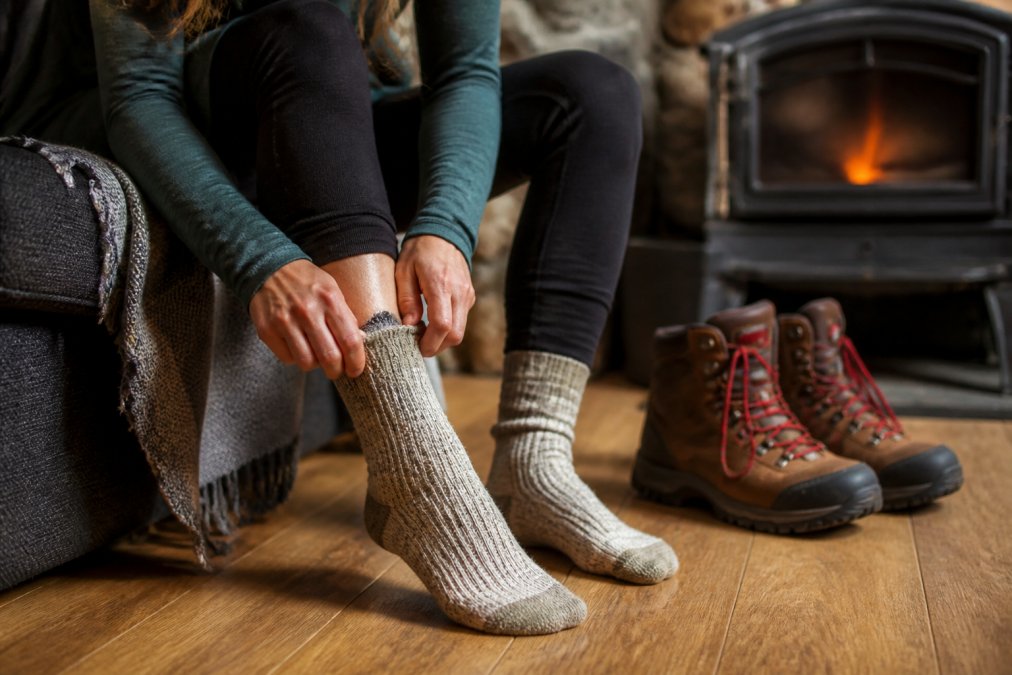
Sweaty feet create conditions for odor-causing bacteria and fungi to flourish. Start with daily foot hygiene using antibacterial or antifungal soap, paying special attention to spaces between toes. Dry completely after washing.
Foot exfoliation removes dead skin cells that bacteria feed on. Shoe rotation is critical, alternate between at least two pairs of winter boots, allowing each pair 24 hours of air drying between wears.
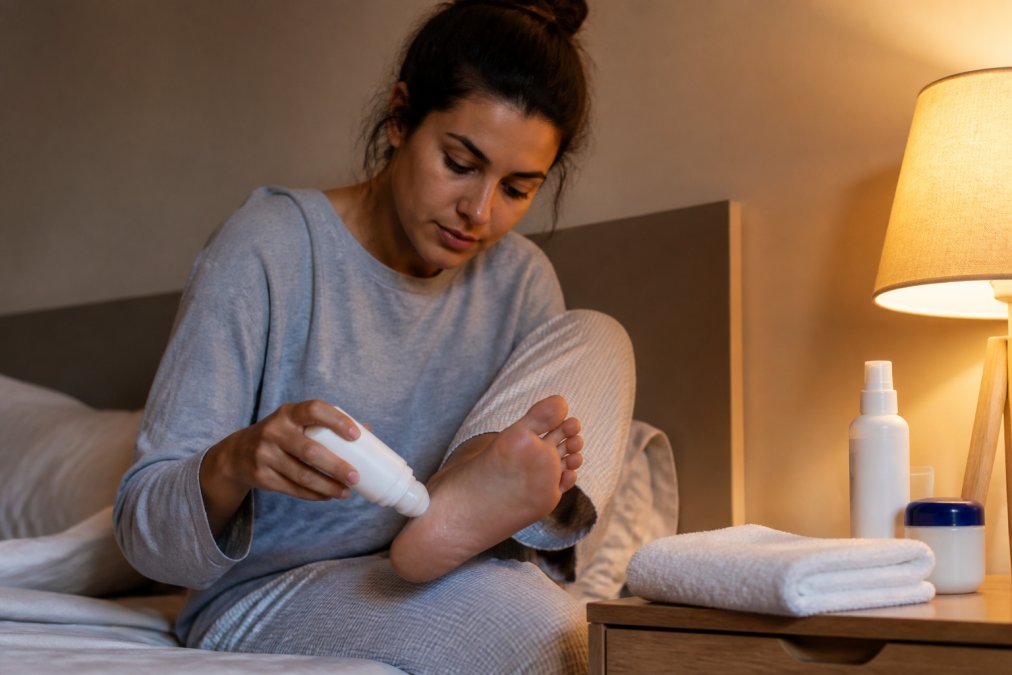
Antiperspirants containing aluminum chlorohydrate are clinically proven to reduce foot-sweat accumulation. Apply clinical-strength antiperspirant to clean, dry feet at night, 3-4 times per week initially, starting with a 10% concentration and increasing to 20% if needed.
Alpaca Wool Benefits for Foot Moisture Management
Alpaca fiber's hollow core structure creates superior moisture management compared to other natural fibers. This design allows sweat to move away from your skin while the fiber retains its insulating properties, keeping you warm without the clammy feeling of trapped moisture.
Alpaca fiber also resists bacterial growth and fungal infection more effectively than cotton or standard wool. For individuals with sensitive skin or eczema, alpaca fiber is hypoallergenic and non-irritating, a significant advantage over coarser wool blends.
Purely Alpaca's American Choice Alpaca Foot Warmers ($20.95) are designed as insoles that wick moisture while providing cushioning support, working in outdoor boots, indoor shoes, and slippers.

Cold, sweaty feet in winter are preventable. The right socks, proper foot hygiene, antiperspirant application, and shoe rotation create a complete system that keeps your feet dry and comfortable. Choose alpaca fiber socks from Purely Alpaca, a family-owned business since 2002, and experience the difference that superior moisture management and natural warmth make in winter foot health.
| Solution | Application | Frequency | Expected Result |
|---|---|---|---|
| Antiperspirant (aluminum-based) | Apply to clean, dry feet at night | 3-4 times weekly | Reduction in foot sweat |
| Alpaca moisture-wicking socks | Wear daily in winter | Every day | Dry feet, natural odor control |
| Daily foot hygiene | Wash with antibacterial soap, dry thoroughly | Once daily | Reduced bacterial growth |
| Foot exfoliation | Use pumice stone on heels and calluses | 2-3 times weekly | Fewer dead skin cells for bacteria |
| Shoe rotation | Alternate between two pairs of boots | Every other wear | Complete drying between uses |
=== FAQ ANSWERS (audit these too, same rules) ===
[1] Q: Why do my feet sweat in winter even when it's cold outside? A: Feet sweat in winter because thick socks and insulated boots trap heat and moisture around your feet. When you move between cold outdoor temperatures and warm indoor spaces, your body works to regulate temperature, triggering sweat production. This thermogenesis response happens year-round for people with hyperhidrosis, affecting about 4.8% of Americans. The key is managing moisture buildup, not eliminating sweat entirely, since some perspiration is normal.
[2] Q: What's the best way to stop feet from sweating with socks? A: Choose moisture-wicking socks made from merino wool or alpaca fiber instead of cotton. Cotton absorbs sweat but doesn't wick it away, leaving feet damp and cold. Alpaca fiber's hollow core design wicks moisture effectively while maintaining superior insulation. Apply antiperspirants containing aluminum chloride to clean, dry feet at night, 3-4 times per week, before putting on socks. Rotate your footwear daily to allow shoes to dry completely between wears.
[3] Q: How does alpaca wool help with sweaty feet in winter? A: Alpaca fiber manages foot moisture through its hollow core structure, which efficiently wicks perspiration away from skin while trapping heat for warmth. Unlike cotton, alpaca retains about 80% of its insulating power even when damp. This moisture management also helps prevent bacterial growth and fungal infections that thrive in wet conditions. People with sensitive skin or eczema often prefer alpaca because it's hypoallergenic and non-irritating, making it ideal for winter foot care without the itchiness of traditional wool.
Frequently Asked Questions
Q: Why do my feet sweat in winter even when it's cold outside?
A: Feet sweat in winter because thick socks and insulated boots trap heat and moisture around your feet. When you move between cold outdoor temperatures and warm indoor spaces, your body works to regulate temperature, triggering sweat production. This thermogenesis response happens year-round for people with hyperhidrosis, affecting about 4.8% of Americans. The key is managing moisture buildup, not eliminating sweat entirely, since some perspiration is normal.
Q: What's the best way to stop feet from sweating with socks?
A: Choose moisture-wicking socks made from merino wool or alpaca fiber instead of cotton. Cotton absorbs sweat but doesn't wick it away, leaving feet damp and cold. Alpaca fiber's hollow core design wicks moisture effectively while maintaining superior insulation. Apply antiperspirants containing aluminum chloride to clean, dry feet at night, 3-4 times per week, before putting on socks. Rotate your footwear daily to allow shoes to dry completely between wears.
Q: How does alpaca wool help with sweaty feet in winter?
A: Alpaca fiber manages foot moisture through its hollow core structure, which efficiently wicks perspiration away from skin while trapping heat for warmth. Unlike cotton, alpaca retains about 80% of its insulating power even when damp. This moisture management also helps prevent bacterial growth and fungal infections that thrive in wet conditions. People with sensitive skin or eczema often prefer alpaca because it's hypoallergenic and non-irritating, making it ideal for winter foot care without the itchiness of traditional wool.
This article was written using GrandRanker