





Table of Contents
- Alpaca vs Merino: Core Fiber Differences
- Warmth and Thermal Regulation: Which Keeps Feet Warmer
- Alpaca Wool Moisture Wicking Properties and Performance
- Benefits of Alpaca Socks for Winter and Durability
Last Updated: August 24, 2026
Alpaca vs Merino: Core Fiber Differences
Alpaca fiber's hollow-core structure traps air exceptionally well, making it roughly three times warmer than sheep's wool by weight. Alpaca typically measures 15-36 microns in diameter, while merino ranges from 11.5-24 microns. Alpaca's smoother surface scales and complete absence of lanolin make it naturally hypoallergenic, a critical advantage for anyone prone to wool irritation.
At Purely Alpaca, we've spent two decades working with both fibers: alpaca excels at static warmth, while merino adapts to temperature changes. Choose based on your actual use case, not generic claims about which is "better."
Warmth and Thermal Regulation: Which Keeps Feet Warmer
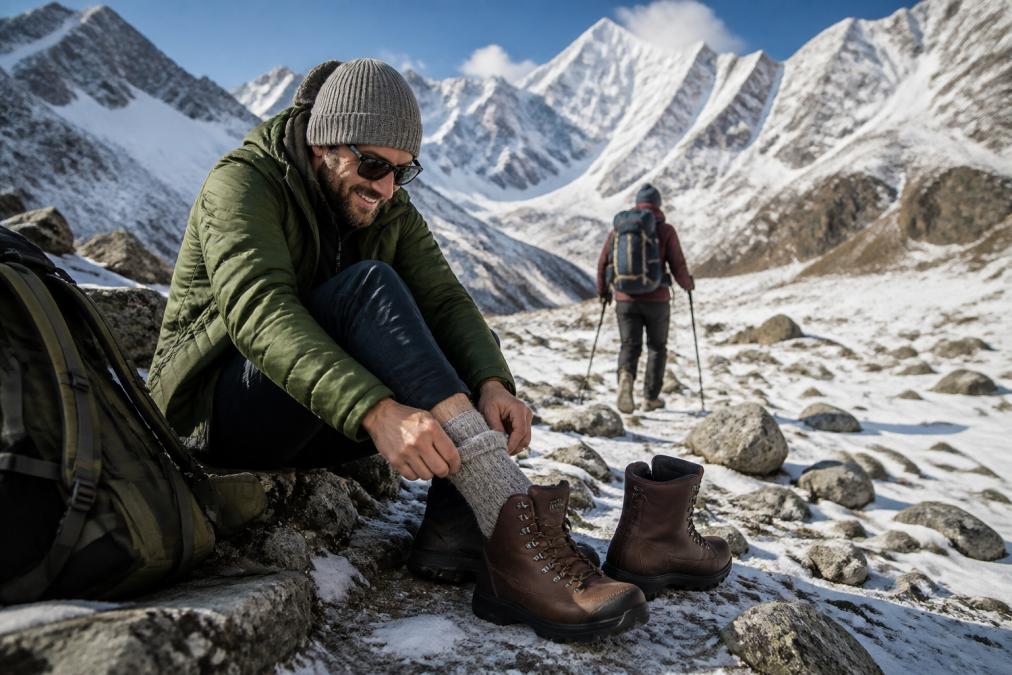
Alpaca provides up to 30% more warmth per weight than merino wool, making it ideal for stationary activities in extreme cold. Merino generates heat as it absorbs moisture through heat of sorption. When actively hiking, merino's breathability prevents overheating while maintaining warmth. Alpaca resists water absorption and dries faster in wet conditions.
The practical difference: alpaca wins for passive winter warmth. Merino wins for active winter sports where temperature regulation matters more than maximum insulation.
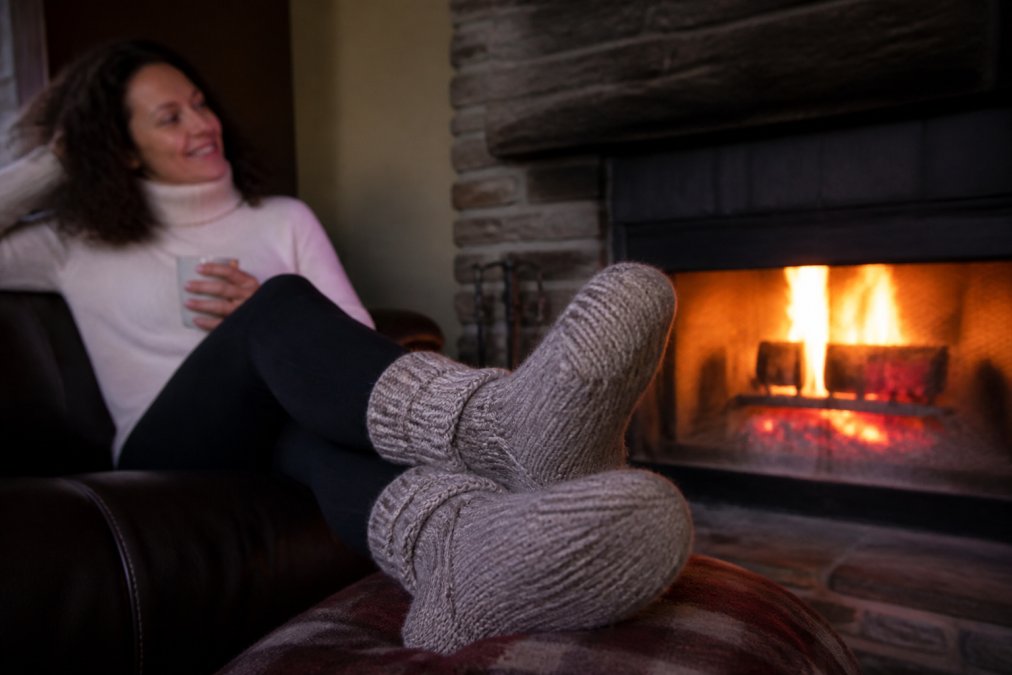
Many premium manufacturers blend alpaca and merino to leverage both fibers' strengths, typically at 50/50 to 70/30 ratios (alpaca/merino) with small percentages of nylon or elastic for durability.
Alpaca Wool Moisture Wicking Properties and Performance
Merino wool can absorb up to 30-35% of its weight in water without feeling wet, compared to cotton's roughly 7%. Alpaca's smoother fiber structure sheds water more effectively. In wet conditions, alpaca retains approximately 85% of its insulating properties, while merino maintains about 70-80%. Alpaca also dries faster than merino.
Alpaca fibers lack the same elastic recovery as merino wool, so pure alpaca socks may stretch over time without synthetic reinforcement. The best-performing wool socks often include synthetic fibers for durability. fabrics for outdoor apparel.
Benefits of Alpaca Socks for Winter and Durability
Alpaca socks deliver specific advantages for winter that justify their higher cost. The hollow-core fiber structure creates exceptional thermal insulation without requiring thick, bulky construction. Unlike merino wool, which contains lanolin, alpaca lacks this natural oil, eliminating itching for anyone with eczema or wool sensitivity.
Durability depends on construction. Pure alpaca socks may lose shape more quickly than merino-blend options because alpaca fibers are less elastic. However, alpaca resists pilling better than merino, maintaining plushness over time. The Superwarm Heavy Extreme Alpaca Socks ($33.95) feature heavyweight construction with reinforced heels and toes, plus nylon and lycra blending for shape retention. The OutdoorAdventure Alpaca Sock ($29.95) features shock-absorbing cushion and reinforced high-wear zones for active winter use. The Field Hiker Alpaca Socks ($24.95) offer medium-weight construction for casual cold-weather use, while the 100% Alpaca American Traveler Socks ($24.95) deliver lightweight performance for everyday wear and travel with natural odor resistance.
Alpaca sits between merino and cashmere in price, offering luxury-fiber performance at a more accessible price point while outperforming merino in raw warmth.
Choosing between alpaca and merino wool socks for winter comes down to your specific use case. For extreme cold and stationary activities, alpaca's superior insulation wins. For active winter sports and wet conditions, merino's breathability and moisture management deliver better performance.
Purely Alpaca specializes in alpaca fiber products designed for exceptional warmth without bulk, natural hypoallergenic properties, and durable construction. Shop all alpaca socks and discover why outdoor enthusiasts and winter athletes have trusted Purely Alpaca since 2002.
=== FAQ ANSWERS (audit these too, same rules) ===
[1] Q: Are alpaca wool socks warmer than merino wool socks for winter? A: Yes. Alpaca wool is roughly three times warmer than sheep's wool by weight due to its hollow-core fiber structure, which traps more air for exceptional thermal insulation. Alpaca provides up to 30% more warmth per weight than merino wool. However, merino excels in active scenarios because it breathes better and regulates temperature during movement, preventing overheating. For stationary winter activities or extreme cold, alpaca wins; for dynamic outdoor pursuits, merino offers more functional warmth.
[2] Q: How do alpaca wool moisture wicking properties compare to merino? A: Alpaca absorbs about 8-11% of its weight in moisture and resists water absorption more effectively than merino. Merino wool absorbs up to 30-35% of its weight before feeling wet. In wet conditions, alpaca retains approximately 85% of its insulating properties while merino maintains 70-80%. Alpaca also dries faster than merino. However, merino's moisture absorption triggers heat release (heat of sorption), which adds warmth during active use.
[3] Q: What are the main benefits of alpaca socks for winter use? A: Alpaca socks deliver exceptional warmth without bulk, making them ideal for fitting into boots comfortably. They're naturally hypoallergenic because alpaca lacks lanolin, the irritant in regular wool, making them perfect for sensitive skin. Alpaca resists pilling better than merino and offers superior odor resistance due to antimicrobial properties. They're also lighter in weight than merino socks of equivalent warmth. Purely Alpaca's Superwarm Heavy Extreme Alpaca Socks ($33.95) and OutdoorAdventure Alpaca Socks ($29.95) are designed specifically for winter performance with reinforced heels and cushioned interiors.
[4] Q: How should I wash alpaca wool socks to maintain durability? A: Turn alpaca socks inside out and machine wash on a gentle cycle in cool water, then tumble dry on low heat. Avoid hot water and high dryer temperatures, which can cause shrinkage. For 100% alpaca socks like the American Traveler ($24.95), hand washing in room-temperature water with gentle shampoo followed by air drying is recommended to preserve the delicate fibers. Always check the care label, as blended alpaca socks with nylon reinforcement are more durable in machine cycles. Regular proper care extends the lifespan significantly, protecting your investment in premium winter footwear.
Frequently Asked Questions
Are alpaca wool socks warmer than merino wool socks for winter?
Yes. Alpaca wool is roughly three times warmer than sheep's wool by weight due to its hollow-core fiber structure, which traps more air for exceptional thermal insulation. Alpaca provides up to 30% more warmth per weight than merino wool. However, merino excels in active scenarios because it breathes better and regulates temperature during movement, preventing overheating. For stationary winter activities or extreme cold, alpaca wins; for dynamic outdoor pursuits, merino offers more functional warmth.
How do alpaca wool moisture wicking properties compare to merino?
Alpaca absorbs about 8-11% of its weight in moisture and resists water absorption more effectively than merino. Merino wool absorbs up to 30-35% of its weight before feeling wet. In wet conditions, alpaca retains approximately 85% of its insulating properties while merino maintains 70-80%. Alpaca also dries faster than merino. However, merino's moisture absorption triggers heat release (heat of sorption), which adds warmth during active use.
What are the main benefits of alpaca socks for winter use?
Alpaca socks deliver exceptional warmth without bulk, making them ideal for fitting into boots comfortably. They're naturally hypoallergenic because alpaca lacks lanolin, the irritant in regular wool, making them perfect for sensitive skin. Alpaca resists pilling better than merino and offers superior odor resistance due to antimicrobial properties. They're also lighter in weight than merino socks of equivalent warmth. Purely Alpaca's Superwarm Heavy Extreme Alpaca Socks ($33.95) and OutdoorAdventure Alpaca Socks ($29.95) are designed specifically for winter performance with reinforced heels and cushioned interiors.
How should I wash alpaca wool socks to maintain durability?
Turn alpaca socks inside out and machine wash on a gentle cycle in cool water, then tumble dry on low heat. Avoid hot water and high dryer temperatures, which can cause shrinkage. For 100% alpaca socks like the American Traveler ($24.95), hand washing in room-temperature water with gentle shampoo followed by air drying is recommended to preserve the delicate fibers. Always check the care label, as blended alpaca socks with nylon reinforcement are more durable in machine cycles. Regular proper care extends the lifespan significantly, protecting your investment in premium winter footwear.
This article was written using GrandRanker