


Table of Contents
- What Makes Alpaca Fiber Ethically Sourced
- Sustainable Alternatives to Fast Fashion Sweaters
- Benefits of Alpaca Wool vs Merino and Other Fibers
- How to Care for Alpaca Fiber Clothing
Last Updated: August 27, 2026
What Makes Alpaca Fiber Ethically Sourced
Ethically sourced alpaca fiber starts with transparency: knowing where your fiber comes from, how animals are treated, and whether producers earn fair compensation. True ethical sourcing requires traceability from farm to finished garment, animal welfare standards including high-altitude pasture grazing and humane shearing, and fair trade practices ensuring livable wages. According to the Textile Exchange Organization's 2025 report, certified fiber production grew from 5% in 2023 to 7% in 2024, reflecting rising demand for responsibly sourced materials.
The Responsible Alpaca Standard (RAS), introduced in 2021, provides a verification framework. Indigenous communities in the Andes have herded alpacas for centuries using sustainable pasture management and low-impact techniques. When you buy from brands committed to these traditions, you support both animal welfare and cultural preservation.
Sustainable Alternatives to Fast Fashion Sweaters
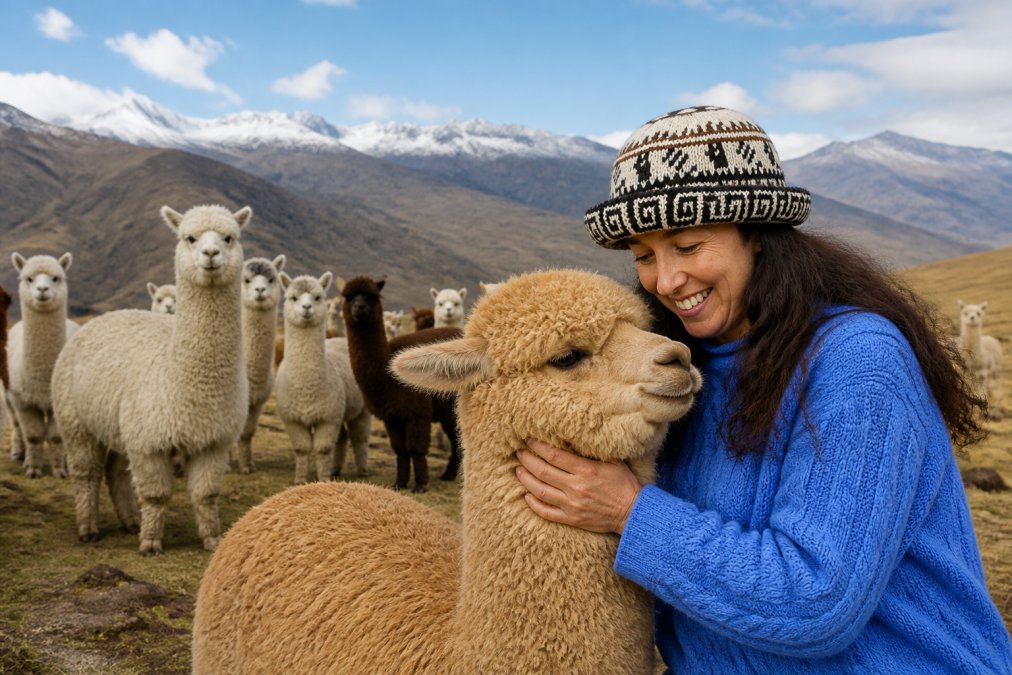
Alpaca fiber offers a genuine shift away from fast fashion's throwaway model. The fiber is 100% biodegradable within 12 months under composting conditions and consumes less water than sheep wool production. While 59% of apparel shoppers want the fashion industry to become more eco-friendly, only 11% prioritize environmental impact when purchasing, price remains dominant at 68% (opinium.com). Ethically sourced alpaca closes this gap: a single alpaca sweater outlasts five synthetic alternatives, eliminating constant replacement cycles.
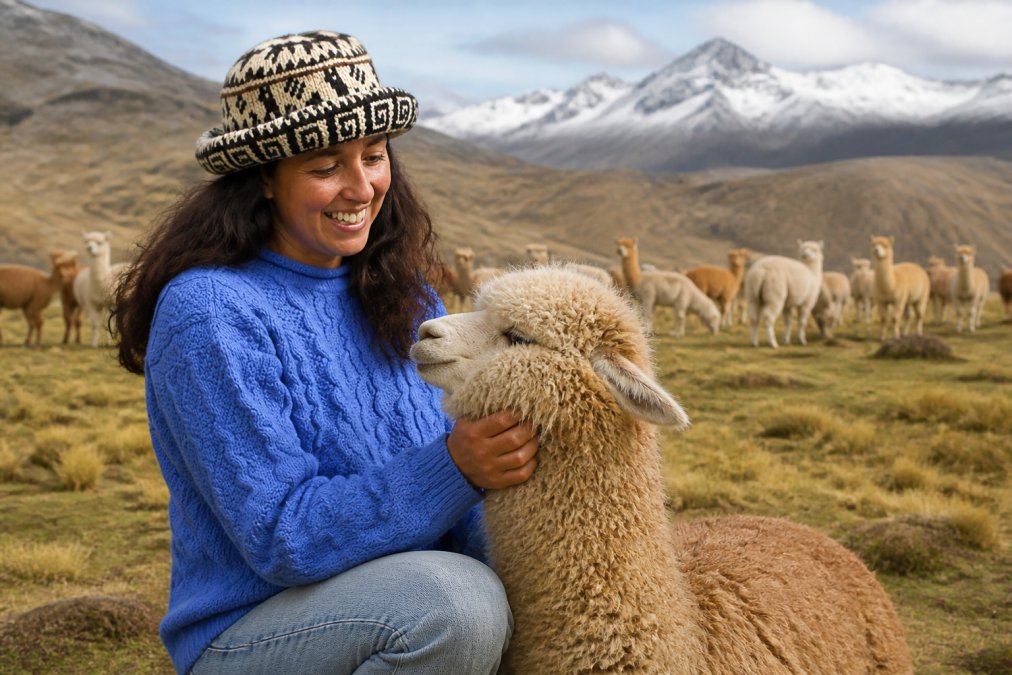
Brands like Indigenous Designs have collaborated with Peruvian artisan cooperatives for over 20 years, earning OEKO-TEX® STANDARD 100 certification. Paka employs over 250 Quechua women weavers and pays them four times the family living wage, proving ethical production and business viability aren't mutually exclusive.
Benefits of Alpaca Wool vs Merino and Other Fibers
Alpaca fiber is naturally hypoallergenic with zero lanolin content, making it ideal for sensitive skin, 46% of consumers now prefer it for this property. Its hollow-core structure provides thermoregulation and moisture-wicking without bulk. Merino wool is excellent, but alpaca's superior softness and durability give it an edge for luxury apparel. Synthetics offer affordability yet degrade faster and shed microplastics throughout their lifecycle. An alpaca sweater maintains shape, softness, and insulation for years, while synthetics pill and lose performance within a season. supply chain transparency.
Alpaca's micron count, typically 20-25 microns for premium grades, determines feel and performance. Finer microns mean softer fiber with less prickling. This precision in fiber quality is why ethical sourcing matters: smallholder farmers practicing sustainable pasture management produce healthier animals with superior fleece.
How to Care for Alpaca Fiber Clothing
Hand wash in cool water with gentle detergent; hot water and agitation damage the fiber structure. Lay flat to dry; never hang or use a dryer. Most alpaca garments need washing only 2-3 times per year if stored properly. Pilling is normal with natural fiber, use a soft brush or lint roller to remove pills. Store garments folded in breathable cotton bags away from direct sunlight. Cedar blocks or lavender sachets naturally repel moths.
The Hand Crochet Roll Up Rustic Alpaca Hat from Purely Alpaca ($32.95) exemplifies this durability. Handmade from 100% alpaca with fair trade practices, it's designed to last decades with minimal care. Our Alpaca Work/Play Gloves ($32.95), made in the USA by alpaca farmers, combine performance with ethical sourcing.

| Care Step | Frequency | Impact |
|---|---|---|
| Hand wash in cool water | Every 2-3 months | Preserves fiber structure |
| Lay flat to dry | After each wash | Prevents stretching and shrinkage |
| Remove pills with soft brush | As needed | Maintains appearance |
| Store folded in breathable bag | Year-round | Prevents damage and moth intrusion |
Choosing ethically sourced alpaca fiber means investing in quality that lasts, supporting communities dependent on fair trade, and reducing your environmental footprint. 30% of apparel consumers actively prioritize sustainable labels, and that number continues to grow. The U.S. sustainable fashion market is projected to reach $2.5-3.2 billion by the end of 2026, driven by this shift in consumer values. Purely Alpaca has built its reputation since 2002 on traceability, fair wages, and animal welfare embedded in every product. Start with our Hand Crochet Roll Up Rustic Alpaca Hat or Alpaca Work/Play Gloves and experience the difference genuine ethical sourcing delivers.
=== FAQ ANSWERS (audit these too, same rules) ===
[1] Q: What criteria define ethically sourced alpaca products? A: Ethically sourced alpaca fiber products meet three core standards: fair wages for workers, animal welfare practices that minimize stress during shearing, and environmental responsibility including water conservation. Look for third-party certifications like the Responsible Alpaca Standard (RAS), OEKO-TEX STANDARD 100, or World Fair Trade Organization (WFTO) status. Brands should provide supply chain transparency showing fiber origin, production methods, and worker conditions. Purely Alpaca's commitment to quality since 2002 reflects these principles through careful sourcing.
[2] Q: How does alpaca fiber compare to sheep's wool in terms of sustainability? A: Alpaca fiber production consumes less water than sheep wool production, making it significantly more sustainable. Alpacas also produce 100% biodegradable fiber within 12 months under composting conditions. The global alpaca fiber market for certified sustainable fiber grew from 5% in 2023 to 7% in 2024, reflecting rising demand for responsibly sourced materials. Additionally, alpaca farming typically involves smaller herds on high-altitude pastures with minimal chemical inputs, compared to industrial sheep wool operations that often require intensive land use and processing.
[3] Q: Is alpaca fiber considered cruelty-free? A: Alpaca fiber can be cruelty-free when sourced from farms that follow ethical animal husbandry practices. However, the industry's standards vary. The Responsible Alpaca Standard (RAS) certifies responsible production, but critics note that even certified operations may permit ear-marking without pain relief. Ethical brands prioritize stress-minimizing shearing techniques like the Inca Esquila method, fair treatment of animals, and transparent documentation of animal welfare. When shopping for ethically sourced alpaca products, verify certifications and ask brands directly about their animal welfare practices and shearing methods.
Frequently Asked Questions
Q: What criteria define ethically sourced alpaca products?
A: Ethically sourced alpaca fiber products meet three core standards: fair wages for workers, animal welfare practices that minimize stress during shearing, and environmental responsibility including water conservation. Look for third-party certifications like the Responsible Alpaca Standard (RAS), OEKO-TEX STANDARD 100, or World Fair Trade Organization (WFTO) status. Brands should provide supply chain transparency showing fiber origin, production methods, and worker conditions. Purely Alpaca's commitment to quality since 2002 reflects these principles through careful sourcing.
Q: How does alpaca fiber compare to sheep's wool in terms of sustainability?
A: Alpaca fiber production consumes less water than sheep wool production, making it significantly more sustainable. Alpacas also produce 100% biodegradable fiber within 12 months under composting conditions. The global alpaca fiber market for certified sustainable fiber grew from 5% in 2023 to 7% in 2024, reflecting rising demand for responsibly sourced materials. Additionally, alpaca farming typically involves smaller herds on high-altitude pastures with minimal chemical inputs, compared to industrial sheep wool operations that often require intensive land use and processing.
Q: Is alpaca fiber considered cruelty-free?
A: Alpaca fiber can be cruelty-free when sourced from farms that follow ethical animal husbandry practices. However, the industry's standards vary. The Responsible Alpaca Standard (RAS) certifies responsible production, but critics note that even certified operations may permit ear-marking without pain relief. Ethical brands prioritize stress-minimizing shearing techniques like the Inca Esquila method, fair treatment of animals, and transparent documentation of animal welfare. When shopping for ethically sourced alpaca products, verify certifications and ask brands directly about their animal welfare practices and shearing methods.
This article was written using GrandRanker