



Table of Contents
- Alpaca Wool vs Sheep Wool for Winter: The Core Differences
- Alpaca vs Merino Wool Warmth and Performance
- Is Alpaca Wool Hypoallergenic Compared to Sheep Wool
- Moisture-Wicking and Breathability
- Durability, Pilling, and Tensile Strength
- How to Care for Alpaca Wool
- Cost-Per-Wear: Why Alpaca Justifies the Investment
- Frequently Asked Questions
Last Updated: October 3, 2026
Alpaca Wool vs Sheep Wool for Winter: The Core Differences
When winter temperatures drop, choosing the right fabric becomes critical. At Purely Alpaca, we've spent over two decades helping customers navigate alpaca wool vs sheep wool for winter performance.
Alpaca wool delivers measurably superior warmth compared to traditional sheep wool. According to Business Research Insights' 2026 Alpaca Fiber Market Report, alpaca fiber provides 30% higher thermal insulation efficiency than sheep wool while maintaining lower moisture retention. This matters because it means you stay warm without the weight or bulk that often comes with heavier wool garments.
The differences run deeper than warmth alone. Alpaca fiber's semi-hollow core structure creates air pockets that trap heat more efficiently than the crimped fibers of sheep wool. For winter sports enthusiasts, outdoor workers, and anyone dealing with extreme cold, this distinction translates into real performance gains, especially when you're layering for extended periods in the field.
Thermal Insulation: Why Alpaca Outperforms
Alpaca fiber is estimated to be up to 30% warmer than merino wool (Alpaca Direct). Some sources report even more dramatic differences, with alpaca rated at three times warmer than standard sheep wool (Hockerty fiber comparison analysis), and in certain applications, up to seven times warmer (Classic Alpaca thermal efficiency comparison).
Why the range? It depends on fiber density, garment construction, and how the fiber is processed. The hollow-core structure of alpaca creates superior insulating capacity without requiring the thickness you'd need in sheep wool. This is the key advantage: you get more warmth from a thinner, lighter garment.
The practical benefit: alpaca baselayers and socks work harder than their sheep wool equivalents. A mid-weight alpaca sock can match the warmth of a heavy sheep wool sock. For winter hiking, skiing, or outdoor work where weight and bulk matter, that's a significant edge.

Fiber Structure and Softness
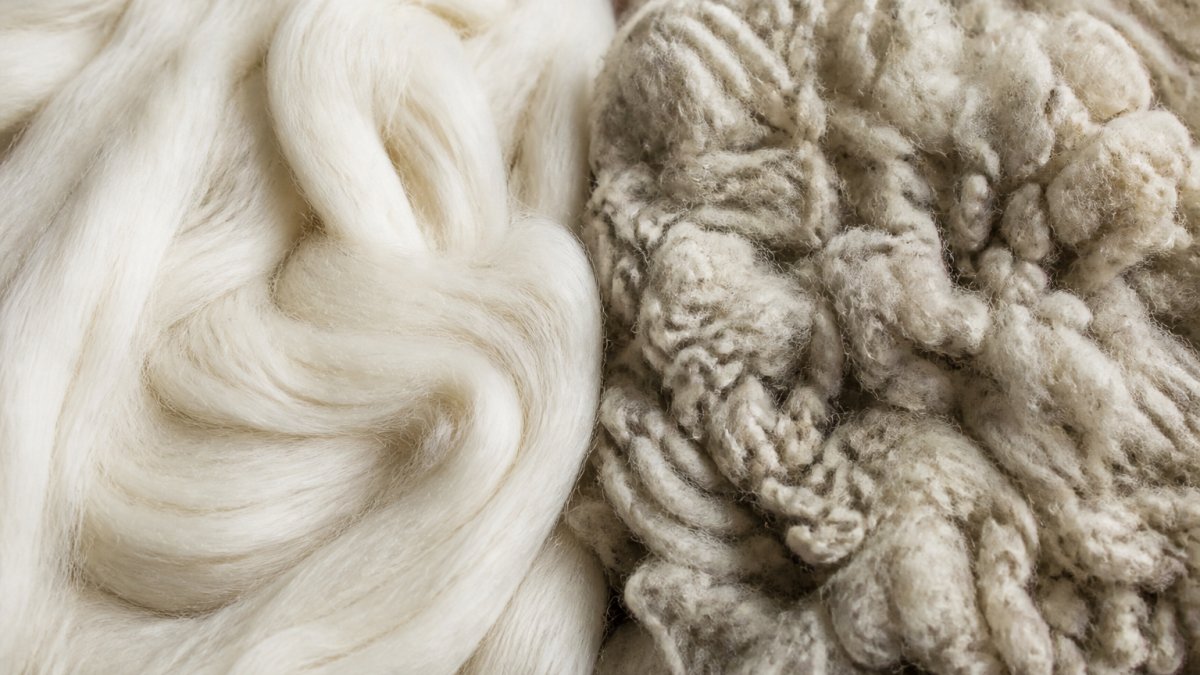
Alpaca fiber's semi-hollow core is fundamentally different from sheep wool's crimped structure. Sheep wool relies on natural crimp, tiny waves in the fiber, to create air pockets. Alpaca achieves the same insulating effect through its hollow core, but with a smoother surface that feels softer against skin.
This structural difference explains why alpaca feels less itchy. Sheep wool's barbed scales can irritate sensitive skin, while alpaca's smoother fiber diameter means less friction and prickle. If you've ever experienced the scratchy feeling of traditional wool, alpaca's gentler touch becomes immediately obvious.
Fiber diameter matters here too. Alpaca typically measures finer than standard sheep wool, contributing to that luxurious softness. The result is a garment that's both functional and comfortable, you're not trading performance for wearability.
Alpaca vs Merino Wool Warmth and Performance
Merino wool deserves its reputation for performance, but it plays in a different category than alpaca. Merino excels at moisture management and elasticity, it bounces back after stretching and resists pilling better than alpaca in certain high-stress applications.
However, alpaca wins on pure warmth and hypoallergenic properties. According to Ridge Merino's fiber durability analysis, merino wool offers superior elasticity, which can be an advantage for fitted garments that need to move with your body.
For winter-specific use, standing in cold weather, layering under heavy gear, or wearing socks for extended periods, alpaca's thermal retention and hypoallergenic nature make it the stronger choice. Merino is excellent for active pursuits where you're generating body heat and need moisture management. Alpaca is better for static cold exposure where pure insulation matters most.
The trade-off: merino garments tend to hold their shape longer through repeated wear, while alpaca can stretch over time. Both are durable, but they excel in different scenarios.
Is Alpaca Wool Hypoallergenic Compared to Sheep Wool
Yes. Alpaca wool is significantly more hypoallergenic than sheep wool, primarily because it lacks lanolin, the natural oil that sheep wool contains. Lanolin is a common trigger for skin irritation, eczema flare-ups, and general itchiness in people with sensitive skin.
Alpaca fiber's smooth surface and lack of lanolin create a fundamentally different experience. People who can't wear traditional wool often find alpaca comfortable and non-irritating. This isn't marketing, it's structural biology. The fiber itself is gentler.
Lanolin Content and Skin Sensitivity
Sheep wool naturally contains lanolin, which serves a protective function for sheep but irritates many human skin types. Lanolin can cause contact dermatitis, trigger eczema, and create that characteristic wool itch that drives people away from natural fibers entirely.
Alpaca has no lanolin. This makes it ideal for anyone with sensitive skin, eczema, or a history of wool allergies. You get the warmth and durability of natural fiber without the irritation factor.
The practical implication: if you've avoided wool because of itchiness or skin reactions, alpaca is worth trying. Many people who thought they were "allergic to wool" discover they simply react to lanolin. Switching to alpaca eliminates that variable entirely.
Fiber Diameter and Prickle Factor
The prickle factor, that scratchy sensation, correlates directly with fiber diameter. Coarser fibers feel rougher; finer fibers feel softer. Alpaca typically measures 20-30 microns in diameter, making it finer and softer than standard sheep wool, which often runs 25-40 microns.
This matters more than you'd think. A garment that itches is a garment you won't wear, no matter how warm it is. Alpaca's finer diameter means better comfort, which means you'll actually layer it and wear it through winter.
Additionally, alpaca's smooth surface has fewer barbed scales compared to sheep wool. Those microscopic barbs catch on skin and create irritation. Alpaca's smoother structure means less snagging, less irritation, and a genuinely more comfortable experience in cold weather.
Moisture-Wicking and Breathability
This is where the research gets interesting. According to the 2026 industry report from Business Research Insights, alpaca fiber exhibits 18% lower moisture retention than sheep wool. That means alpaca dries faster and keeps your skin drier in damp conditions.
For winter, this matters when you're active enough to sweat but cold enough that moisture becomes a problem. Alpaca wicks moisture away more efficiently, preventing that clammy feeling that can accelerate heat loss. Sheep wool absorbs more moisture before feeling wet, which can leave you feeling damp and cold.
Breathability works hand-in-hand with moisture management. Alpaca's fiber structure allows air to circulate more freely, preventing the stuffiness you sometimes get with heavy wool. You get insulation without feeling trapped or overheated when you move around.
OutdoorAdventure Alpaca Sock →
The practical reality: alpaca socks keep feet drier and more comfortable during active winter sports. Sheep wool socks work fine for static wear, but alpaca outperforms in dynamic conditions.
Durability, Pilling, and Tensile Strength
Alpaca fiber possesses one of the highest tensile strengths of any natural fiber, second only to silk and specific bast fibers (Backpacking Light's fiber durability analysis). This means alpaca garments resist tearing and hold up to repeated wear better than you'd expect.
However, and this is important, alpaca has a known weakness: it pills more readily than merino wool under certain conditions. Pilling occurs when loose fibers ball up on the garment surface.
The trade-off is real. Alpaca's high tensile strength means the garment lasts longer structurally, but surface pilling can make it look worn before it actually is. Merino resists pilling better, which is why it's popular for high-activity applications where appearance matters.
For winter socks and base layers, pilling is less of a concern since these items see less visible wear. For outer sweaters or visible apparel, merino might win on aesthetics, while alpaca wins on longevity.
How to Care for Alpaca Wool
Proper care extends the life of alpaca garments significantly. The good news: alpaca is more durable and forgiving than many people assume.
Washing and Drying Best Practices
Machine washing is acceptable for most alpaca items, including the Survival Over-the-Calf Sock and OutdoorAdventure Alpaca Sock from Purely Alpaca. Turn garments inside out, use cool water, and opt for a gentle cycle. Avoid fabric softener, which can coat the fibers and reduce their natural performance.
For hand washing, the gentler option, use lukewarm water and mild detergent. Soak for 10-15 minutes, gently agitate, and rinse thoroughly. Never wring or twist alpaca; instead, gently squeeze out water.
Drying matters. Lay alpaca garments flat to air dry. Avoid direct heat, which can damage the fibers and cause shrinkage. Tumble drying on low heat is acceptable for socks specifically designed for it, like our OutdoorAdventure and Survival models, but flat drying is always the safest approach for sweaters and apparel.
The Thermal Alpaca Baselayer Top, made from 55% baby alpaca and 45% microfiber, should be machine washed warm in a mesh bag or hand-washed, then laid flat to air dry for best results.
Storage and Maintenance
Store alpaca garments in a cool, dry place. Cedar blocks or lavender sachets naturally repel moths without the chemical smell of mothballs. Fold rather than hang to prevent stretching, alpaca can stretch over time, especially heavier garments.
If pilling occurs, resist the urge to pull at the pills. Instead, use a fabric comb or gentle brush to remove them. This preserves the garment structure while eliminating surface fuzz.
Inspect socks regularly for wear at the heel and toe. Alpaca socks with reinforced heels and toes, like Purely Alpaca's Survival Over-the-Calf Sock, resist this wear significantly better than standard socks. The reinforcement extends the lifespan by months or years.

Cost-Per-Wear: Why Alpaca Justifies the Investment
Alpaca products cost more upfront. A Purely Alpaca sock runs $29.95 to $39.95 depending on the style, compared to budget wool socks at $10-15. A thermal baselayer costs $129.95.
But cost-per-wear tells a different story.
Add in the comfort factor: if alpaca keeps you warm enough to actually wear your winter gear instead of abandoning it for synthetic alternatives, that's value that doesn't show up in a price comparison.
For people with sensitive skin, the hypoallergenic benefit eliminates the need to buy multiple types of base layers trying to find something that doesn't irritate. One alpaca layer solves the problem.
Purely Alpaca has been in business since 2002, delivering products built to last.
Winter demands performance from your gear. Explore Purely Alpaca's full range of alpaca socks, baselayers, and winter essentials, each designed for serious cold-weather performance and built to last through seasons of real use.

| Metric | Alpaca Wool | Sheep Wool |
|---|---|---|
| Thermal Insulation | 30% warmer than merino | Standard baseline |
| Moisture Retention | 18% lower | Higher, more absorbent |
| Hypoallergenic | Lanolin-free, excellent | Contains lanolin, irritating |
| Fiber Diameter | 20-30 microns (finer) | 25-40 microns (coarser) |
| Tensile Strength | Highest of natural fibers | Moderate durability |
| Pilling Resistance | Moderate (cosmetic issue) | Superior resistance |
| Cost | Higher upfront | Lower initial price |
| Best For | Winter performance, sensitive skin | General-purpose wool |
Frequently Asked Questions
Is alpaca wool warmer than sheep's wool?
Yes. Alpaca wool is approximately 30% warmer than sheep's wool according to 2026 industry data, thanks to its semi-hollow fiber core that traps air more efficiently. This hollow structure creates superior thermal insulation without the bulk of traditional wool, making alpaca ideal for winter layering and outdoor activities where weight matters.
Is alpaca wool hypoallergenic compared to sheep wool?
Alpaca wool is hypoallergenic and significantly less likely to irritate sensitive skin than sheep wool. Unlike sheep wool, alpaca contains no lanolin, the natural oil that often triggers itching and irritation. Additionally, alpaca fiber has a smoother surface and larger diameter consistency, reducing the prickle factor that makes traditional wool uncomfortable for many people.
How do I care for alpaca wool to keep it lasting?
Machine wash alpaca in cool water on a gentle cycle, or hand wash for best results. Lay flat to air dry rather than using heat, which can damage the fibers. Turn items inside out before washing, avoid fabric softener, and store in a cool, dry place. Proper care prevents pilling and extends garment life significantly compared to neglected wool items.
Does alpaca wool wick moisture better than sheep wool?
Alpaca wool offers superior moisture-wicking compared to sheep wool. According to 2026 industry research, alpaca fiber exhibits 18% lower moisture retention than sheep wool, meaning it pulls sweat away from skin faster and dries more quickly. This keeps you comfortable and dry during intense winter activities, preventing the clammy feeling that can occur with traditional wool.