



Table of Contents
- What Is Pilling and Why Alpaca Sweaters Pill
- Best Tools for Removing Sweater Pills
- Step-by-Step Guide to Remove Pilling From Alpaca Sweaters
- Alpaca Wool Care Instructions to Prevent Future Pilling
- Preventing Pilling on Natural Fibers
- When Removal Isn't Enough: Repair vs. Replace
- Frequently Asked Questions
Last Updated: October 2, 2026
What Is Pilling and Why Alpaca Sweaters Pill
Pilling occurs when short fibers break free from yarn and ball up on the fabric surface, a natural process affecting most knitted items, including alpaca sweaters.
Alpaca's softness and warmth make it vulnerable to pilling. Friction during wear or washing causes fibers to break and tangle, clumping into balls on the surface.
The good news? Pilling doesn't mean your sweater is damaged beyond repair.
Several factors speed up pilling:
- Friction from regular wear (especially under arms and at the neckline)
- Washing too frequently or in warm water
- Using harsh detergents that weaken fibers
- Improper drying techniques that create static and matting
- Storing sweaters in crowded spaces
Best Tools for Removing Sweater Pills
The right tool makes all the difference. Alpaca fiber is more fragile than synthetic knits, so tool selection directly impacts whether you restore or weaken your sweater.
Fabric Shavers
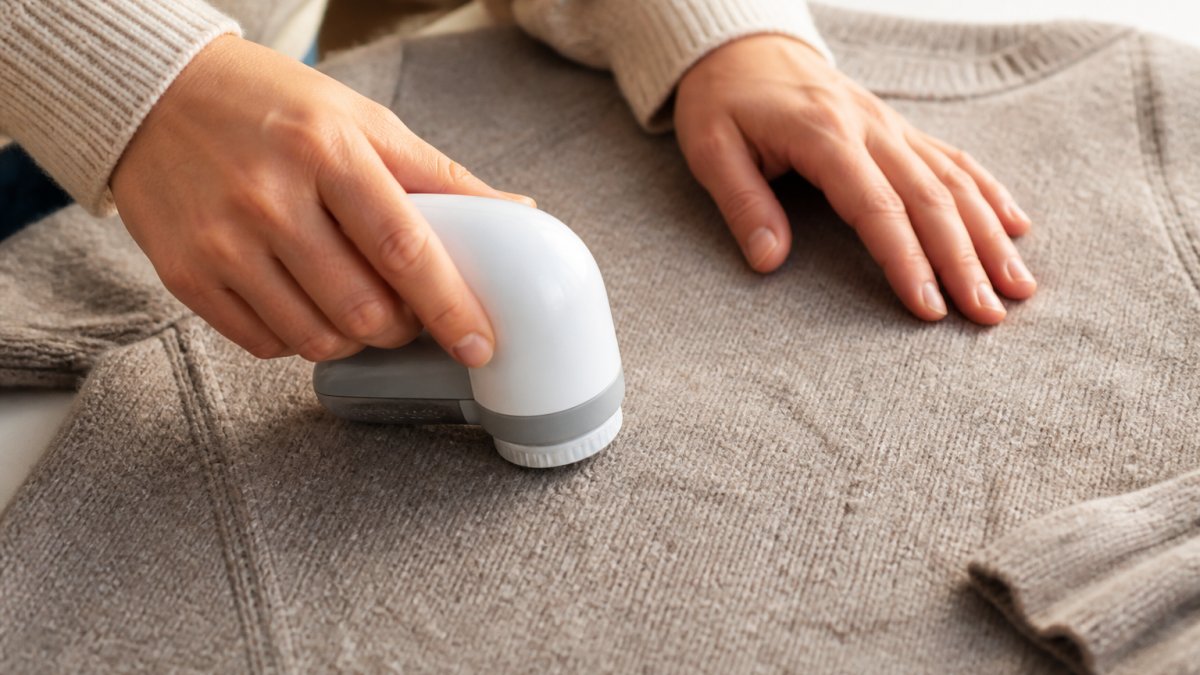
A fabric shaver uses rotating blades to cut pills from the surface quickly and effectively.
Advantages:
- Fast and efficient for large pilled areas
- Removes pills without damaging the garment (when used correctly)
- Works on multiple fabric types
- Results are immediate and visible
Disadvantages:
- Requires careful technique to avoid cutting the underlying knit
- Can be too aggressive on delicate alpaca; blades may catch and pull fibers if pressure is uneven
- One slip can create a permanent hole
Best for: Tightly woven alpaca sweaters with moderate to heavy pilling, or garments where you have significant experience using the tool.
Sweater Stones and Combs
A sweater stone is a natural or synthetic stone with a rough surface; a fabric comb has fine, closely-spaced teeth.
These tools work through friction rather than sharp blades, giving you more control but requiring more time and effort.
Sweater stones are best for:
- Delicate or loosely-knit alpaca sweaters
- Light to moderate pilling that hasn't spread across large areas
- Controlled, gradual removal
- First-time users who want to minimize risk
- Fibers that are visibly fine or lustrous (indicators of delicacy)
Fabric combs work well when:
- You want maximum control over the process
- Your sweater has very fine fibers
- You're working on a small, focused area
- You need to avoid any risk of blade damage
- You're treating pilling on high-friction zones (underarms, neckline) where structural integrity is critical
Safety advantage: Neither tool cuts fibers, so even aggressive use will not create holes.
Comparing Safety Across Tools
Alpaca fiber is structurally weaker than wool, making tool selection critical. Fabric shavers cut but risk catching fine fibers; sweater stones abrade safely without cutting; fabric combs offer maximum control.
What to Avoid
This is critical: Never pull pills off by hand. Pulling yanks the underlying fibers and creates more damage.
Avoid using sharp tools like razors or scissors, even though the temptation is strong.
Don't use a standard lint roller or rough fabric like denim. These won't remove pills effectively and can damage the delicate surface of alpaca fiber.
Step-by-Step Guide to Remove Pilling From Alpaca Sweaters
This process takes 15-30 minutes depending on how much pilling you're treating. Work slowly and carefully. Rushing leads to mistakes.
Step 1: Prepare Your Sweater
Lay your sweater flat on a clean surface like a bed or towel. Smooth out wrinkles and ensure good lighting.
Step 2: Choose Your Removal Tool
Choose your tool based on sweater type: use a fabric comb or sweater stone for delicate or loosely-knit alpaca; a fabric shaver for tightly-woven, heavily-pilled sweaters. Check that your tool is clean and working properly.
Step 3: Remove Pills With Care
Work in small sections methodically. For fabric shavers: hold at 45 degrees with light pressure, moving in one direction. For stones or combs: use light circular motions. Gentle, consistent pressure works better than aggressive scrubbing.
Step 4: Inspect and Finish
Once you've treated an area, examine it closely. The pills should be gone or significantly reduced. If some remain, repeat the process, but don't obsess over removing every single pill, some minor fuzz is normal on natural fibers.
When you're satisfied with the results, gently brush the sweater with a soft brush to remove loose fibers. This is where the Alpaca Beauty Brush works beautifully, it restores the nap of the fabric and makes your sweater look fresh and fluffy again.

Alpaca Wool Care Instructions to Prevent Future Pilling
Prevention is always easier than treatment. Proper care dramatically reduces how much pilling occurs over time.
Wet Felted Alpaca Dryer Balls - Grey Aussie →
Washing Your Alpaca Garments
Wash only when necessary. Spot-clean stains and air out between wears. When washing: use cool water below 65°F, choose gentle wool-specific detergent, hand wash or use delicate cycle, and avoid hot water and harsh detergents.
According to Alpaca Direct's care guidance, washing alpaca in cool water with gentle handling minimizes the formation of new pills.
Drying Techniques That Reduce Friction
How you dry your sweater matters as much as how you wash it. Never use a standard dryer. Instead:
- Lay flat on a clean towel to air dry
- Turn the sweater inside out to reduce surface friction
- Place it away from direct heat or sunlight
- Allow 24-48 hours for complete drying
- Don't hang wet alpaca sweaters, the weight stretches the fibers
Using alpaca dryer balls can help if you're drying smaller items. The Wet Felted USA Alpaca Dryer Balls reduce drying time while eliminating the need for chemical dryer sheets. They naturally soften and fluff your laundry without harsh additives.

Preventing Pilling on Natural Fibers
Beyond washing and drying, several practices keep pilling to a minimum. The most overlooked prevention strategy is storage method, which directly impacts how fibers settle and whether new pilling develops during dormancy.
Rotation and Storage Best Practices
Rotate sweaters to give fibers time to recover from friction. Rest periods allow yarn to relax and fibers to resettle.
Folding vs. Hanging: The Storage Position Impact
Folding (Recommended): Distributes weight evenly, keeps fibers relaxed, and prevents shoulder and neckline stress. Best for delicate alpaca.
Hanging (Use with Caution): Puts sustained tension on seams and can cause fibers to break. If you must hang, use a padded hanger and ensure the sweater is fully dry. Never hang wet or damp alpaca.
Storage Environment:
- Keep sweaters in a cool, dry place away from direct sunlight
- Avoid overcrowding; sweaters need space to breathe and fibers need room to relax
- Use cedar blocks or lavender sachets instead of mothballs (which can damage fibers chemically)
- Never store damp or even slightly damp garments; moisture encourages mold and fiber weakening
- Maintain consistent humidity (ideally 40-60%); very dry air can make fibers brittle, while high humidity promotes mildew
The Settling Period: Why New Alpaca Sweaters Pill More
New alpaca sweaters often pill noticeably in the first 2-3 months of wear. This is completely normal and is not a sign of poor quality.
What Happens During the Settling Period:
When an alpaca sweater is manufactured, short fibers (called "noil") remain loosely attached to the yarn surface.
Why This Matters:
- Pilling during this period is not caused by poor care or low-quality fiber
- It does not indicate that your sweater will pill excessively forever
- Once the loose fibers are shed, pilling drops dramatically
- A well-cared-for alpaca sweater typically pills much less after month 3
What to Expect:
- Weeks 1-4: Highest pilling frequency, especially in high-friction zones (underarms, neckline, cuffs)
- Weeks 5-12: Gradual decrease in new pills as loose fibers are exhausted
- Month 3 onward: Pilling stabilizes at a much lower rate
How to Manage the Settling Period:
- Continue with gentle care practices; don't assume the sweater is defective
- Remove pills as they appear using a fabric comb or sweater stone (safer than a shaver during this sensitive phase)
- Avoid wearing the sweater multiple days in a row; give fibers time to relax
- Wash only when necessary to minimize friction
- After the settling period ends, your sweater will require significantly less maintenance
This settling period is why industry sources and experienced alpaca wearers recommend patience with new garments.
When Removal Isn't Enough: Repair vs. Replace
Sometimes pilling is so severe that removal alone won't restore your sweater.
Small holes can be hand-stitched by someone skilled with needle work.
The good news is that proper care makes this decision rare.
Alpaca sweaters are an investment in comfort and quality. Removing pilling is straightforward when you use the right technique and the right tools.
Frequently Asked Questions
Is pilling on an alpaca sweater a sign of poor quality?
No. Pilling occurs on high-quality natural fibers, including alpaca, because of how the fibers move and interact with friction during wear. Short fibers on the surface naturally form into pills as the garment is worn and washed. Pilling is a maintenance issue, not a defect. Proper care and timely removal prevent it from affecting the longevity of your sweater.
What is the safest way to remove pills from delicate alpaca fibers?
Use a fabric shaver or sweater comb designed for delicate knits, always moving gently in one direction. Never pull pills off by hand or use sharp scissors or razors, as these damage the underlying fibers and knit structure. A sweater stone or fine-tooth comb also works well. The key is gentle, consistent pressure, speed is less important than control to avoid cutting the garment.
How can I prevent pilling on my alpaca garments in the future?
Rotate wear to reduce friction, wash only when necessary using cool water and the delicate cycle, and lay flat to air dry instead of using a dryer. Store alpaca sweaters folded rather than hung, and avoid friction from rough fabrics or bags. Consider using alpaca dryer balls if you do machine dry, they reduce wrinkles and static naturally while helping your garments last longer.
Is it safe to use a fabric shaver on alpaca wool?
Yes, fabric shavers are safe for alpaca when used correctly. However, avoid aggressive scrubbing or pressing too hard, as this can damage the delicate fibers. Keep the shaver parallel to the fabric surface and use light, steady strokes. Always test on a hidden area first if you're unsure. Sweater stones and combs are gentler alternatives if you prefer a more manual approach.