


Table of Contents
- Natural Fibers for Cold Weather: A Comparison Framework
- Alpaca Wool: Lightweight Warmth Without the Bulk
- Merino Wool for Cold Weather: Temperature Regulation and Odor Control
- Wool and Its Insulating Properties: The Standard for Winter
- Natural Fiber Base Layers: Building Your Cold-Weather System
- Cold Weather Layering with Natural Fibers: Strategy and Execution
- Alpaca vs Wool for Warmth: What the Differences Mean
- Down Insulation, Cashmere, and Specialty Fibers for Extreme Cold
- Frequently Asked Questions
Last Updated: October 4, 2026
Natural Fibers for Cold Weather: A Comparison Framework
When temperatures drop, what you wear determines whether you stay comfortable or suffer through the cold. The best natural fibers for cold weather gear combine insulation, breathability, and moisture management in ways synthetic alternatives struggle to match.
Natural fibers trap air in their structure, creating pockets that slow heat loss. Cotton becomes a liability in freezing conditions because it absorbs moisture and loses insulating power when wet. Wool, alpaca, merino, cashmere, and down each bring different strengths to cold-weather gear.
Pick the wrong fiber and you'll overheat while moving, freeze when you stop, or end up with soggy layers that compromise comfort and safety. This guide breaks down the natural fibers that work in cold weather and which suit your specific needs.
How We Evaluated These Fibers
We assessed each fiber across five key criteria: insulation value, moisture-wicking ability, breathability, durability, and real-world performance in wet and windy conditions, including how each behaves when layered.
The data comes from fiber science, user feedback from outdoor professionals, and experience working with these materials since 2002, focused on fibers that deliver warmth without excessive bulk.
Alpaca Wool: Lightweight Warmth Without the Bulk
Alpaca is the standout choice for serious warmth in a lightweight package. Its hollow structure creates exceptional insulation while remaining significantly lighter than wool or down, with a single alpaca layer replacing two wool layers.
Alpaca's thermal-to-weight ratio delivers warmth comparable to merino wool, meaning better mobility and less fatigue during extended outdoor activities.

Alpaca resists moisture better than wool. While not waterproof, alpaca maintains warmth better than wool in light snow or misty conditions, though an outer shell is needed for truly wet weather.
The downside? Alpaca is more expensive than wool, and the supply is smaller. You'll find fewer alpaca options at mainstream retailers, though specialty brands like Purely Alpaca offer a full range from socks to sleeping bags. The Thermal Alpaca Baselayer Top Shirt starts at $129.95 and delivers the warmth of heavier wool layers in a lightweight construction engineered for serious outdoor work.
| Feature | Alpaca | Merino Wool | Standard Wool |
|---|---|---|---|
| Weight for warmth | Lightest | Light | Heavier |
| Moisture resistance | Excellent | Good | Fair |
| Softness | Very soft | Soft | Coarser |
| Durability | High | High | High |
| Price | Premium | Moderate | Budget |
Merino Wool for Cold Weather: Temperature Regulation and Odor Control
Merino wool regulates temperature more actively than alpaca, responding to your body's heat output and adjusting insulation accordingly, making it exceptional for activities with intense exertion and rest periods.
Merino naturally resists bacterial growth that causes odor, allowing you to wear the same layer for days without washing, critical for backcountry trips and extended outdoor work.
Merino breathes exceptionally well for high-output activities like trail running or mountaineering, wicking sweat while maintaining insulation, a balance harder to achieve with heavier natural fibers.
Merino requires thicker construction to match alpaca's insulation, making garments bulkier and heavier. For stationary cold-weather work this doesn't matter, but for movement-intensive activities, alpaca's lightweight advantage is significant.
Wool and Its Insulating Properties: The Standard for Winter
Wool remains the baseline for cold-weather fibers. Its crimped structure creates air pockets that trap heat efficiently even when damp, which is why it has protected mountain dwellers for thousands of years.
Standard wool insulates when wet, resists odor better than synthetics, and lasts for years with proper care, often outperforming newer synthetic alternatives in durability and warmth.
Coarser wool varieties irritate sensitive skin and create heavier garments, which is why merino and alpaca have gained ground by delivering wool's insulation with less bulk and irritation.
Wool absorbs moisture readily, making wet wool heavier and slower to dry than alpaca or merino. For wet climates or water-adjacent activities, this becomes a liability.
Natural Fiber Base Layers: Building Your Cold-Weather System
Base layers determine cold-weather performance. Alpaca and merino dominate because they manage moisture while insulating.
Alpaca base layers work best for static or low-movement activities. The Thermal Alpaca Baselayer Bottoms at $52.95 combine 41% baby alpaca with nylon and acrylic for durability, delivering warmth without the bulk of pure wool thermals. The blend maintains alpaca's insulation while adding stretch and durability for outdoor work.

Merino base layers excel for high-output activities where sweat management is critical. The fiber wicks moisture without feeling clammy, keeping you dry and warm even during intense effort.
Wool base layers are heavier but often more affordable. They work well for people who tolerate wool against skin and need budget-friendly options.
The critical mistake most people make is layering incorrectly. A base layer that's too thick restricts circulation and creates dead air space that doesn't insulate. A base layer that's too thin leaves gaps where cold air reaches skin. Look for snug-fitting layers that create a thin air barrier without compression.
Thermal Alpaca Baselayer Top Shirt →
| Layer Type | Best Fiber | Best For | Key Benefit |
|---|---|---|---|
| Base layer | Alpaca or merino | Moisture management | Stays dry, traps heat |
| Mid layer | Wool or alpaca | Insulation | Adds warmth without bulk |
| Outer layer | Wool blend | Wind/water protection | Durability, structure |
Cold Weather Layering with Natural Fibers: Strategy and Execution
The difference between freezing and comfortable in cold weather often comes down to layering strategy, not the quality of individual garments. Natural fibers excel in layering because they work together without creating problematic air gaps or moisture traps.
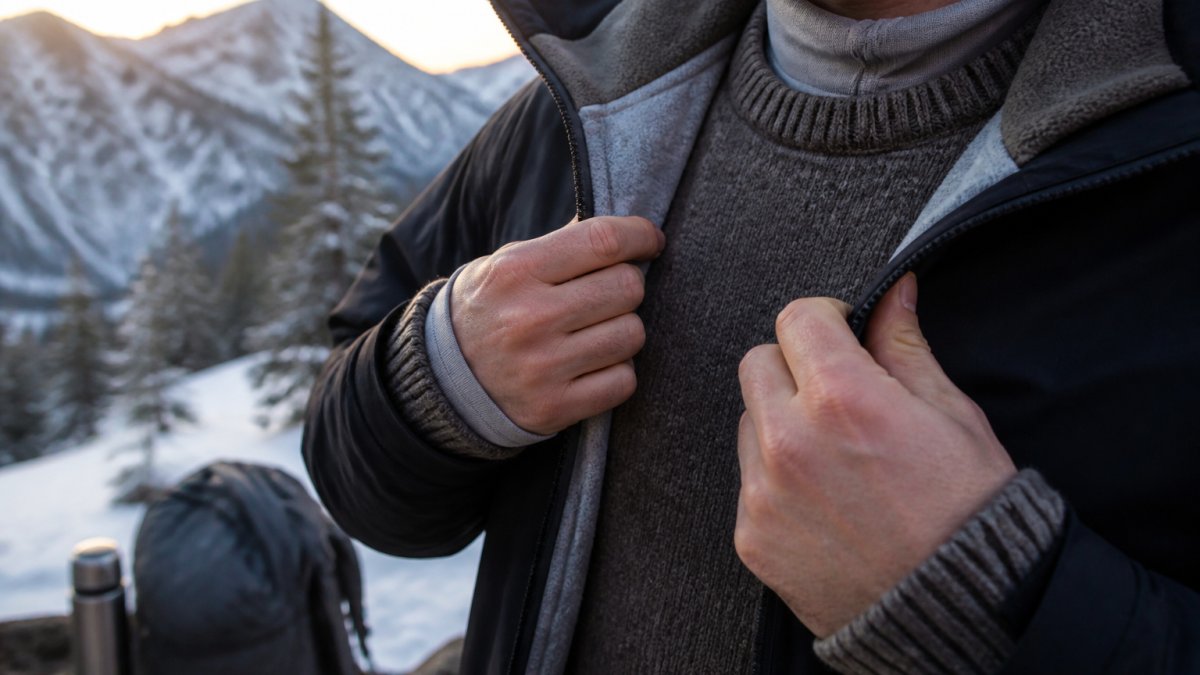
Start with a snug alpaca or merino base layer against skin. This layer's job is moisture management and initial insulation. Move quickly to a mid-layer wool or alpaca sweater that adds significant warmth. Finally, add a wind and water-resistant outer shell that lets moisture escape while blocking wind.

The key is avoiding compression. Tight outer layers that squeeze your mid-layer flatten the air pockets that create insulation. Choose outer shells that fit loosely enough to accommodate multiple natural fiber layers beneath.
Natural fibers layer better than synthetics because they regulate temperature dynamically. If you overheat, merino and wool wick moisture away and cool slightly. If you chill, they trap air more effectively. Synthetics don't respond the same way, they either insulate or they don't, which is why layering with natural fibers feels more comfortable during temperature swings.
One mistake to avoid: mixing cotton with other natural fibers. Cotton's moisture absorption can pull moisture from inner layers, creating a damp environment that compromises insulation. Keep cotton out of cold-weather systems entirely.
Alpaca vs Wool for Warmth: What the Differences Mean
The direct comparison between alpaca and wool reveals why alpaca has gained popularity among serious outdoor users. Both fibers insulate effectively, but they do it differently.
Alpaca's hollow fiber structure delivers insulation in a lighter package. A 100% alpaca sweater weighs less than an equivalent wool sweater while providing comparable warmth. For backcountry travel where weight matters, this advantage compounds. Carrying 2-3 pounds less gear over a week of hiking translates to real fatigue reduction.
Wool's crimped structure creates more air pockets per unit of fiber. Wool maintains insulation better than alpaca at temperatures below zero, which is why wool remains the choice for arctic expeditions and high-altitude mountaineering.
The practical difference emerges in moisture conditions. Alpaca sheds water more effectively, meaning it stays warmer longer in damp conditions. Wool absorbs moisture, which increases weight and reduces insulation temporarily. In dry cold, this doesn't matter. In wet snow or misty conditions, alpaca maintains warmth better.
For most cold-weather activities in typical winter conditions, alpaca's advantages outweigh wool's benefits. The lighter weight improves mobility, the moisture resistance extends performance in wet conditions, and the softness eliminates the itchiness many people experience with wool.
Wool remains the better choice for static activities in dry cold, for people on tight budgets, and for those who specifically prefer wool's feel and properties.
Down Insulation, Cashmere, and Specialty Fibers for Extreme Cold
When temperatures plummet to sub-zero conditions, down insulation becomes the gold standard. Down's loft, the amount of air trapped in each cubic inch, exceeds every natural fiber. A thin down layer provides warmth that would require a much thicker wool or alpaca layer.
The critical limitation is moisture. Down loses insulation when wet, which is why serious mountaineers pair down with water-resistant shells. In dry cold, down is unmatched. In wet conditions, down becomes a liability.
The AlpacaSack 100% Alpaca Filled Compressible Sleeping Bag at $165.95 offers an alternative for sleeping systems. Alpaca filling delivers warmth comparable to down while maintaining performance when damp.
Cashmere appears in luxury cold-weather gear but isn't a practical choice for serious outdoor use. The fiber is softer than merino or alpaca and provides excellent insulation, but it's fragile, expensive, and requires careful laundering. Cashmere excels in formal cold-weather wear, elegant sweaters and scarves, not in functional outdoor gear.
Specialty fibers like qiviut (musk ox fiber) and yak wool exist but remain niche products with limited availability. Qiviut is warmer than cashmere and softer than merino. For most people, alpaca offers a great balance of warmth, softness, and price.
Choosing the best natural fibers for cold weather gear comes down to matching fiber properties to your specific activity. Alpaca delivers exceptional warmth-to-weight, making it ideal for most outdoor enthusiasts. Merino excels when temperature swings and odor resistance matter. Wool remains the reliable baseline for stationary cold-weather work.
Purely Alpaca specializes in alpaca fiber products specifically engineered for cold-weather performance. From the Survival Sock at $31.95 for hiking and outdoor work to the Iditarod 100% Alpaca Beanie Hat at $41.95 for extreme conditions, every product combines lightweight insulation with durability.
Frequently Asked Questions
Is alpaca warmer than wool for cold weather?
Alpaca and wool both excel in cold weather, but they differ in key ways. Alpaca fiber has a smoother structure with larger air pockets, trapping heat efficiently while remaining lighter and less bulky than traditional wool. Merino wool excels at temperature regulation and moisture management. For extreme cold, alpaca's hollow fiber structure and natural insulation are highly effective. The best choice depends on your activity: alpaca for lightweight warmth without restriction, wool for all-around cold-weather performance.
What natural fibers keep you warm when wet?
Merino wool and alpaca both retain warmth when damp, unlike cotton. Merino wool is effective because it allows moisture to move away from skin while maintaining insulation. Alpaca's smooth fiber structure also resists water absorption better than coarser wools. For wet conditions, avoid cotton entirely, it traps moisture and can lead to hypothermia. Layering alpaca or merino base layers with a water-resistant outer shell provides the best protection in rain, snow, or sleet.
Why should I choose alpaca fiber over synthetic alternatives?
Natural fibers like alpaca offer advantages synthetics cannot match. Alpaca provides excellent breathability and temperature regulation, keeping you warm without overheating. It's hypoallergenic, making it ideal for sensitive skin, and naturally resists odors without frequent washing. Unlike synthetics, alpaca is biodegradable and sustainable. While synthetic blends have their place, pure or high-percentage alpaca delivers luxury comfort, durability, and environmental responsibility. Purely Alpaca's products combine these benefits with family-owned craftsmanship since 2002.
How do I care for natural fiber cold-weather gear?
Most natural fibers require gentle handling. Alpaca pieces should be hand-washed in cool water with mild shampoo and laid flat to dry, avoid agitation and high heat. Merino wool can typically handle machine washing on delicate cycles. Wool items benefit from occasional airing rather than frequent washing. Never use a standard dryer; air drying preserves fiber structure and warmth. Proper care extends the life of these investments significantly, often lasting years longer than poorly maintained synthetics.