




Table of Contents
- Why Feet Sweat in Winter Boots
- Best Moisture-Wicking Socks for Winter
- Choose the Right Boot Material and Fit
- How to Dry Out Boots Overnight
- Use Foot Powder for Boots and Daily Moisture Control
- Foot Hygiene and Antiperspirant Solutions
- Boot Rotation and Long-Term Prevention
- Frequently Asked Questions
Last Updated: September 23, 2026
Why Feet Sweat in Winter Boots
Your feet sweat in winter boots because insulated boots trap heat and moisture, making it essential to prevent sweaty feet winter boots through proper moisture management. Your body perspires to regulate temperature, but unlike summer sandals, winter boots prevent evaporation. Moisture builds up, leaving your feet damp all day.
This creates a perfect environment for bacteria and fungal growth, leading to odor, blisters, and infections. Cotton socks worsen the problem, they absorb moisture but dry slowly, holding dampness against your skin for hours.
The solution is active moisture management: socks that wick sweat away, boots with airflow, and a nightly drying routine. Combining the right materials with smart maintenance prevents sweaty feet completely.
Best Moisture-Wicking Socks for Winter
The best socks for winter boots are made from moisture-wicking materials that pull sweat away from your skin and dry quickly, keeping your feet dry and warm.

Several materials excel at this:
- Alpaca fiber: Naturally wicks moisture while staying warm even when damp. Alpaca is softer than merino wool and doesn't irritate sensitive skin.
- Merino wool: A popular choice that wicks moisture and regulates temperature. Works well but can feel scratchy for some people.
- Synthetic blends: Polyester and nylon blends dry very fast. They're durable but don't provide as much warmth as natural fibers.
Look for socks with these features:
- Arch support to reduce fatigue during long days in boots
- Extra padding in the heel and toe where pressure builds up
- Seamless construction to prevent blisters
- Thickness that fits your boot without crowding your foot
The Purely Alpaca Sports Ankle Active Socks combine 60% baby alpaca with 38% nylon and 2% elastane. This blend gives you natural moisture-wicking from the alpaca plus durability from the synthetics. The micro padding adds comfort without bulk. Arch support keeps your foot stable inside the boot.
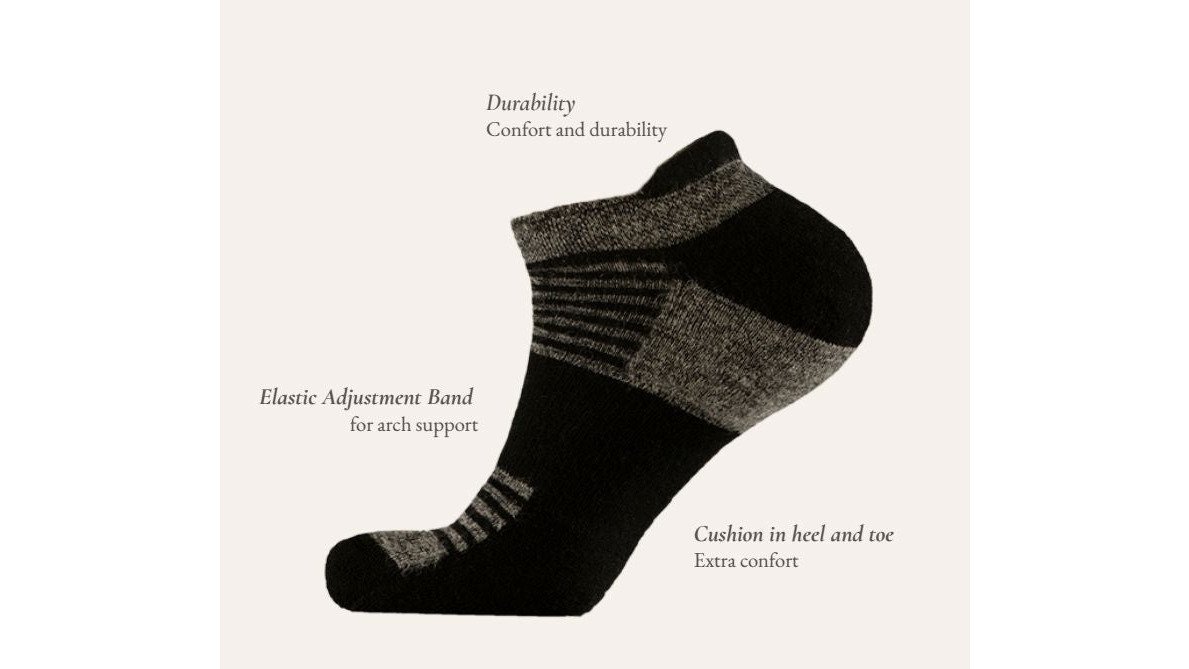
Alpaca socks feel softer than merino wool and are less likely to cause itching. The key is choosing proven moisture-wicking materials, not cotton.
Choose the Right Boot Material and Fit
Understanding Boot Material Science
Different materials manage moisture through distinct mechanisms:
-
Leather with waterproof membranes (Gore-Tex or similar): These use microporous technology that allows sweat vapor to escape while blocking liquid water. This creates one-way moisture movement: sweat exits, external water stays out.
-
Synthetic rubber or plastic boots: These are fully sealed with no vapor permeability. Your perspiration condenses inside, creating the classic "sweaty boot" environment. Ideal for wading but terrible for all-day wear in dry cold.
-
Insulation type and thickness: Boots rated for extreme cold (minus 40°F or lower) generate excess internal heat for typical winter activities. Your feet overheat and sweat. A boot rated for minus 20°F is often better for regular winter use because it generates less excess heat.
More insulation doesn't always mean warmer, drier feet. A heavily insulated boot creates excess internal heat during moderate activity. Your body perspires to regulate that heat, and the moisture gets trapped, leaving you with cold, damp feet.
Look for boots with these material qualities:
- A waterproof outer layer (leather or synthetic) that blocks rain and snow
- A breathable lining or membrane that allows vapor transmission (Gore-Tex, eVent, or similar)
- Insulation rated for your actual climate, not the worst-case scenario (typically minus 10 to minus 20 degrees for most winter regions)
- Drainage channels or ventilation ports in the sole to allow air circulation
Fit matters as much as material. Tight boots restrict blood flow, triggering your body to sweat more to warm your feet, moisture then gets trapped. Loose boots let cold air in, forcing you to wear thicker socks, which compresses your foot and creates the same problem.
When buying winter boots, wear the exact socks you'll use during winter. You should be able to wiggle your toes freely with about a thumb's width of space between your longest toe and the boot's end. Your heel should not slip more than a quarter inch, as slippage causes blisters and forces tighter socks, increasing sweat and compression.
The right boot material paired with proper fit creates an environment where moisture can escape and your feet stay at the right temperature. This is the foundation of dry feet in winter.
American Choice Alpaca Foot Warmers →
How to Dry Out Boots Overnight
How you dry your boots each night determines whether moisture stays trapped inside. Proper drying prevents bacteria, fungus, and odor.
Electric boot dryers use gentle heat and air circulation to dry boots in 4-8 hours. They're becoming standard practice for anyone wearing boots daily.
Without a boot dryer: remove insoles, stuff boots with newspaper (changing every 2-3 hours), and air dry in a warm location for 24-48 hours. Never use direct heat, which damages materials and warps the boot. Newspaper pulls moisture from the boot material itself, speeding drying.

Once boots are dry, insert fresh insoles and store them in a cool, dry place. This prevents mold growth and keeps them ready for the next day.
Use Foot Powder for Boots and Daily Moisture Control
Apply foot powder in the morning before putting on your boots, focusing on between your toes, the ball of your foot, heel, and arch. The powder creates a dry barrier and absorbs sweat throughout the day. You can also sprinkle powder directly into your boots or add it to your boot dryer at night.
Look for powders made from natural materials like talc alternatives or cornstarch-based formulas.
Foot Hygiene and Antiperspirant Solutions
Wash your feet with soap and warm water each morning and evening, drying completely between the toes. This simple habit prevents most foot odor and fungal problems.
Boot Rotation and Long-Term Prevention
The most effective long-term strategy to prevent sweaty feet winter boots is to rotate between multiple pairs of winter boots. This gives each pair a full drying cycle before you wear it again, preventing moisture from compounding and extending boot lifespan.
Why Boot Rotation Works
- Moisture accumulates across multiple days. Day 1 sweat doesn't fully evaporate before Day 2 sweat adds to it.
- The boot material never fully dries, creating an environment where bacteria and fungus thrive.
- Leather loses its waterproofing faster because it stays damp. Synthetic materials begin to break down.
- Your feet stay consistently damp, increasing blister risk and odor.
The Two-Boot Rotation Schedule
- Monday: Wear Boot A all day. Dry it overnight using an electric boot dryer or newspaper method.
- Tuesday: Wear Boot B all day. Boot A continues drying in a warm, dry location.
- Wednesday: Wear Boot A again. It has now had 36+ hours to dry completely. Boot B dries overnight.
- Thursday: Wear Boot B. Boot A dries.
- Friday through Sunday: Continue alternating.
The Three-Boot System for Heavy Use
- Day 1: Wear Boot A. Dry overnight.
- Day 2: Wear Boot B. Boot A continues drying.
- Day 3: Wear Boot C. Boots A and B continue drying.
- Day 4: Wear Boot A again. It has now had 48+ hours to dry completely.
- Repeat the cycle.
Drying Timeline and Verification
- Insert your hand into the boot and feel the interior. It should feel cool and dry, not damp or clammy.
- Smell the interior. A damp boot has a musty or sour smell. A dry boot has no odor.
- Check the insoles. They should be completely dry before reinserting them.
Long-Term Boot Lifespan Benefits
Boots that dry completely between wearings last significantly longer:
- Leather maintains its waterproof coating because it's not constantly wet.
- Synthetic materials don't break down from prolonged moisture exposure.
- The boot's structural integrity stays intact. Constant moisture causes materials to weaken and warp.
- Insulation doesn't compress or lose effectiveness from being damp.
Investing in Quality Boots
- A material and fit that feels good for 8+ hours
- Breathable construction (Gore-Tex or similar membrane)
- Insulation rated for your actual climate, not extreme cold
- A design you'll wear consistently
Frequently Asked Questions
How do I stop my feet from sweating in my boots?
Start with moisture-wicking socks made from merino wool or alpaca fiber instead of cotton, which traps sweat. Add insoles designed to absorb moisture, apply antiperspirant to your feet before putting boots on, and dry your boots thoroughly each night using a boot dryer or newspaper stuffing. Rotate between two pairs of boots to allow complete drying between wears. These steps address both moisture management and bacterial growth that causes odor.
What are the best moisture-wicking socks for winter boots?
Look for socks with synthetic blends or natural fibers like merino wool and alpaca. Alpaca fiber naturally wicks moisture while providing warmth and comfort. The Sports Ankle Active Alpaca Socks ($21.95) feature 60% baby alpaca blended with nylon and elastane for breathability and arch support. For insole-based moisture control, American Choice Alpaca Foot Warmers ($20.95) wick away moisture while cushioning your feet inside boots.
Does wearing two pairs of socks help with sweaty feet?
No, double-layering actually traps more moisture and reduces breathability, making sweating worse. Instead, wear one quality pair of moisture-wicking socks. If your feet still feel cold, choose thicker socks or add moisture-wicking insoles that provide thermal regulation without the moisture-trapping effect of doubled fabric.
How often should I rotate my winter boots to prevent moisture buildup?
Rotate between two pairs of boots daily. This gives each pair 24 hours to dry completely between wears, preventing moisture accumulation and the bacterial growth that causes odor and fungal infections. If you wear boots more than 8 hours daily, rotating becomes essential for maintaining foot health and extending boot lifespan.