





Quick Summary
Preventing foot fungus in winter comes down to keeping feet dry and footwear clean. Wash and thoroughly dry your feet daily, change damp socks during the day, and rotate boots so each pair gets a full day to dry out.
- Dry feet completely after washing, especially between the toes, before putting socks on.
- Change socks as soon as they get damp during the day, not only at bedtime.
- Rotate your boots so each pair gets at least one full day to dry.
- Wash washable socks and insoles at 60 °C (140 °F) or higher for a main cycle of at least 45 minutes.
- Wear sandals or slides in shared showers, locker rooms, and pool areas.
Table of Contents
Why Winter Conditions Encourage Foot Fungus
Foot fungus during winter is one of the most common problems people quietly deal with. The real trouble is that winter wraps your feet in warm, enclosed boots, and the moisture that builds up inside has nowhere to go. That combination is ideal for the fungi behind athlete's foot and toenail infections.
According to a 2025 review of hygiene practices against dermatophytic fungi, these infections are often linked to contaminated footwear and textiles, and recurrence is a real concern when those items aren't cleaned properly Hygiene Practices Against Dermatophytic Fungi: A Review of Disinfection and Sanitization Methods.
Here's why winter makes things harder:
- Boots trap heat and sweat. Feet stay in a dark, warm, damp space for hours.
- Socks stay wet longer. Snow and slush soak through, and damp socks stay against the skin.
- Shoes don't dry out. Boots worn day after day rarely get time to air out.
- Indoor heat adds moisture. Feet sweat more when you move from cold outdoors to heated rooms.
The good news is that prevention is largely a matter of routine. Small habits make a big difference.
Step 1: Build a Daily Winter Foot Routine
A simple daily routine blocks most of the risk. Work through these steps every day during the cold months.
- Wash feet daily with mild soap, and dry them thoroughly, especially between the toes.
- Change socks if they get damp during the day, not just at bedtime.
- Rotate your boots so each pair gets at least one full day to dry.
- Check your feet once a week for redness, peeling, odor, or thickened nails.
- Wear sandals or slides in shared showers, locker rooms, and pool areas.
Watch out: Many people wash their feet and then pull on damp socks. Always dry your feet completely first, or the moisture stays trapped all day.
How to Keep Feet Dry in Winter Boots
Keeping feet dry is the single most effective habit you can build. Boots don't need to be expensive to work well. They need to breathe and dry out between wears.
Start by choosing the right boot. Look for leather or synthetic materials that let some moisture escape, and avoid boots that feel clammy after an hour. Take out the insoles at night so they can dry, and loosen the laces to improve airflow. Find the full list of proven methods to prevent sweaty feet in winter boots for more ways to keep your feet dry.
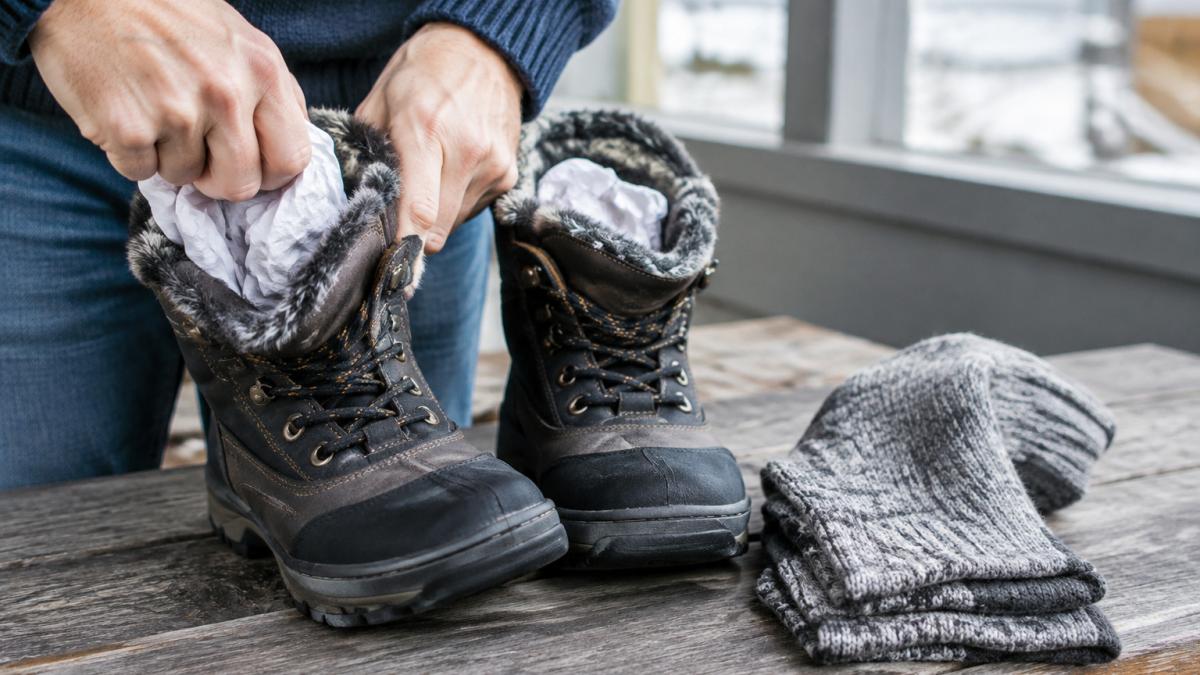
Once your boots are drying, your socks matter just as much. Our Sports Ankle Active Alpaca Socks are made with a blend of 60% baby alpaca, 38% nylon, and 2% elastane, and they offer breathability and arch support.
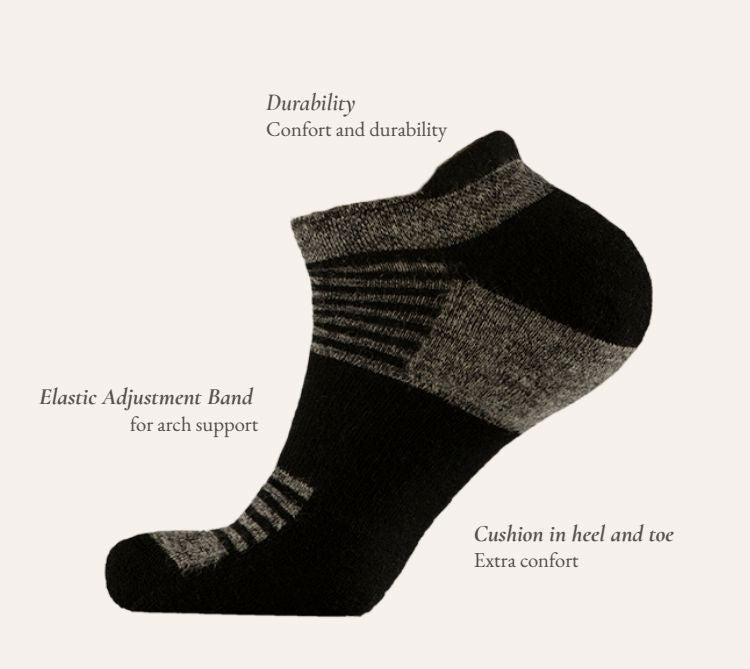
Best Socks for Sweaty Feet in Winter
The socks you wear sit right against your skin, so their material has a big effect on how dry your feet stay. Natural fibers that manage moisture tend to perform better than plain cotton, which holds sweat close to the skin.
Look for these qualities when choosing winter socks: a complete guide to choosing winter socks for circulation walks through each one in detail.
- Moisture management: Fibers that wick sweat away from the skin.
- Breathability: Knit structures that let air move through the sock.
- Cushioning: Enough padding to reduce friction and blisters.
- Fit: A snug fit without tight bands that restrict circulation.
Watch out: Cotton socks feel comfortable at first, but they stay wet longer once sweat or snow soaks in. Switch to a different pair as soon as yours feel damp.
How to Disinfect Shoes for Foot Fungus
Cleaning your boots is just as important as drying them. Fungi can survive in shoes and socks, so reinfection is common when those items stay contaminated.
The review mentioned earlier found that washing contaminated items at 60 °C (140 °F) or higher for a main wash cycle of at least 45 minutes has been effective against the fungi behind foot infections Hygiene Practices Against Dermatophytic Fungi: A Review of Disinfection and Sanitization Methods. Use that approach for washable socks and insoles.
For boots and shoes, try these steps:
- Remove insoles and laces.
- Wipe the interior with a disinfecting solution suitable for the material.
- Let the boots air dry fully, away from direct heat.
- Sprinkle an antifungal powder inside once they're dry.
- Rotate pairs so each one rests for a full day.
Athlete's Foot Symptoms and Treatment
Knowing the signs helps you act early.
Common symptoms include:
- Itching, stinging, or burning between the toes
- Red, cracked, or peeling skin, often on the soles or sides of the feet
- Dry, scaly patches or blisters
- An unpleasant odor
See a doctor if symptoms spread, do not improve after a few weeks, or if you have diabetes or poor circulation. Toenail fungus also needs professional evaluation, since it can be harder to clear.
Booking Your Next Pair of Warm, Breathable Socks
If you're ready to try a pair built for active days, browse our Sport Mid-Crew Active Alpaca Socks or the Sports Crew Active Alpaca Socks.
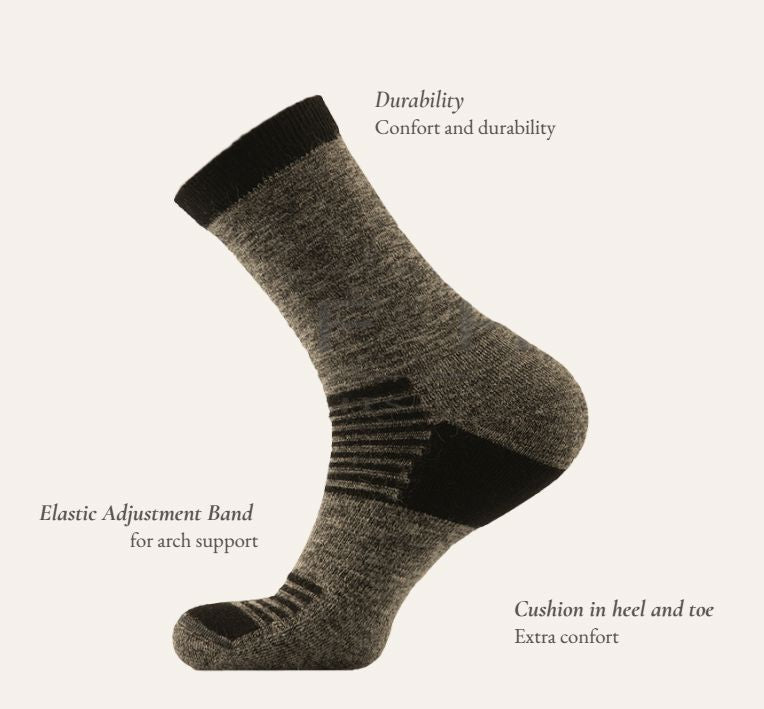
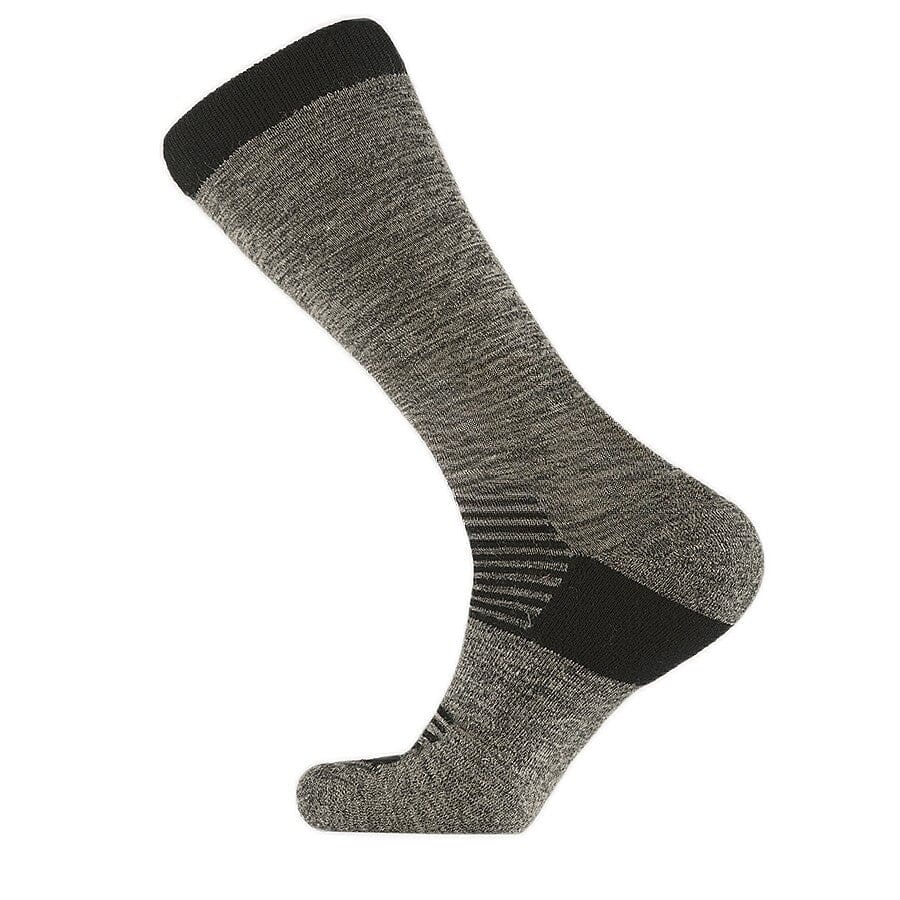
Winter foot fungus is easier to prevent than to treat. Keep your feet dry, wash and rotate your footwear, and choose breathable socks. Those steps, repeated every day, keep most problems away.
Last Updated: November 11, 2026
Frequently Asked Questions
How can I prevent foot fungus during winter?
Keep feet clean and dry, change damp socks as soon as they get wet, and choose breathable or moisture-wicking socks. Rotate your winter boots so each pair has a full day or more to dry out. Wash contaminated socks in hot water when the care label allows. Air your boots out after every wear, especially after snow or sweaty activity.
Why can winter boots increase the risk of foot fungus?
Winter boots are warm, enclosed, and often trap sweat, which creates the dark, moist environment that fungi favor. Feet that stay damp inside boots for hours give fungi more time to grow, especially when the same pair is worn every day without drying. Choosing boots with breathable linings and removing insoles to dry them overnight both reduce this risk.
How often should I change my socks to prevent athlete’s foot?
Change socks at least once a day, and change them immediately if your feet get wet or sweaty. During winter, a midday sock change can make a real difference if you are outdoors for long periods.
When should I see a doctor about athlete’s foot?
See a doctor or podiatrist if the rash spreads, blisters, becomes painful, or does not improve with over-the-counter treatment.
