



Table of Contents
- Quick Comparison: What to Look for in Ski Base Layers
- Base Layer Weight Guide: Lightweight vs Midweight vs Heavyweight
- Fabric Face-Off: Alpaca Wool vs Merino Wool for Skiing
- Moisture Management and Breathability: The Science of Staying Dry
- Fit and Sizing: How Should a Ski Base Layer Fit?
- The Layering System: Integrating Base Layers with Mid-Layers and Shells
- Best Moisture Wicking Socks for Winter: Completing Your Ski Layering Kit
- Conclusion
- Frequently Asked Questions
Last Updated: September 14, 2026
Quick Comparison: What to Look for in Ski Base Layers
According to expert testing of 53 distinct women's base layer models by Outside Online's 2026 base layer testing, the two metrics that decide whether a base layer works on the mountain are moisture-wicking efficiency and thermal regulation. Get those wrong and no jacket, no matter how expensive, will keep you warm. At Purely Alpaca, we've spent more than two decades watching skiers make the same mistake with their thermal base layers: buying insulation when they should be buying moisture management.
A thermal base layer is the next-to-skin garment that moves sweat away from your body while trapping a thin layer of insulating warmth. Everything else in your layering system depends on it doing that job well.
Here's the short version of what matters:
| Priority | What to Check | Why It Matters |
|---|---|---|
| Fabric | Alpaca or merino wool, or synthetic blend | Wicks moisture, regulates temperature |
| Weight | 150-200gsm light, 200-300gsm mid | Matches activity level and temperature |
| Fit | Snug, next-to-skin, flatlock seams | Fabric must touch skin to wick |
| Odor | Naturally antimicrobial fiber | Multi-day wear without washing |
| Care | Gentle wash, air dry | Protects fiber and fit |
Below, we'll cover weight, fabric, fit, and how to build a complete layering kit, including socks.
Base Layer Weight Guide: Lightweight vs Midweight vs Heavyweight
Base layers are categorized by fabric weight in grams per square meter (gsm), and that number should drive your choice more than brand or price. REI's expert advice on base layer selection notes that the right weight depends on activity intensity and ambient temperature, not on how cold-natured you are. The problem is that most guides stop at the gsm bands and never tell you what those bands actually feel like on a chairlift at 10°F versus a skin track at 28°F.
Here is the weight spectrum with the conditions each band is built for:
- Ultralightweight (under 150gsm): Spring corn skiing, high-output touring above treeline, warm-weather mountaineering. Think 35-45°F and sustained climbing.
- Lightweight (150-200gsm): Ski touring, sidecountry laps, and any resort day where you'll sweat on the way to the lift. Comfortable roughly 20-35°F at moderate-to-high output.
- Midweight (200-300gsm): General resort skiing, lift-served days, moderate output, and cold mornings that warm into the 20s. This is the workhorse band for most skiers.
- Heavyweight (300gsm+): Extreme cold, low-output days, standing around at altitude, or a mid-layer substitute on dry, still days. Below 10°F with minimal exertion.
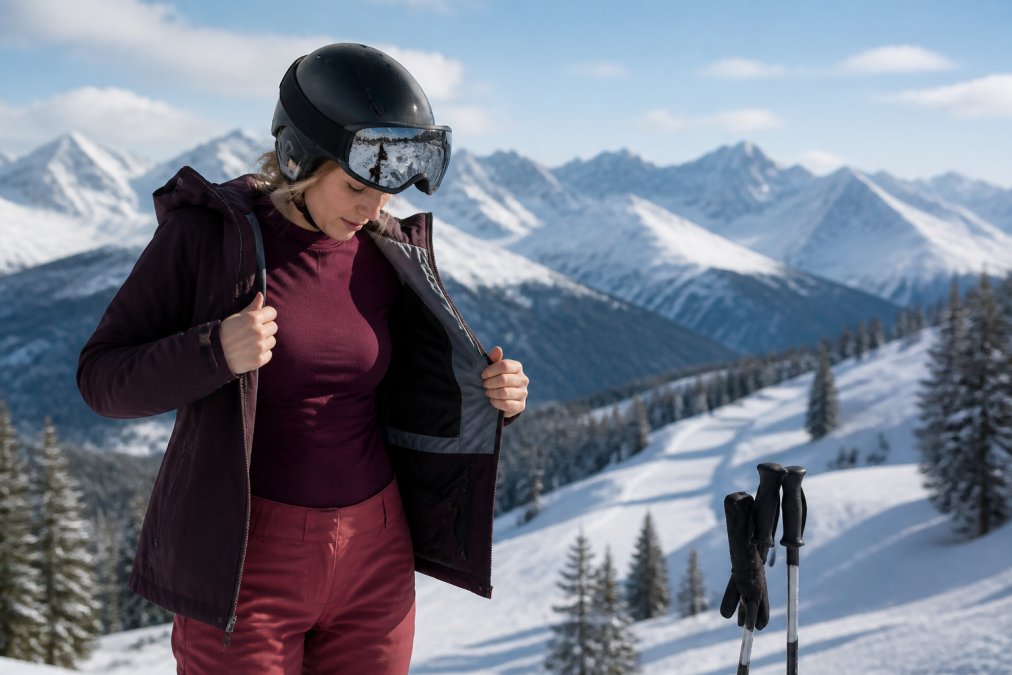
Buying heavyweight for resort skiing is a common mistake: you'll overheat on the lift, sweat through the fabric, and freeze on the descent. Lightweight and midweight cover most ski days.
Match Weight to Exertion, Not to the Parking Lot
The parking lot temperature is not the temperature 20 minutes into a run. Exertion raises your core temperature by several degrees, so a base layer sized for the parking lot will be soaked by the first lift ride. Dress for the temperature you'll be at when working hardest, then add a mid-layer you can shed at the top.
Regional Snow Changes the Answer
The same 25°F day calls for different weights depending on where you're skiing:
- Dry, high-altitude snow (Interior Rockies, high desert ranges): Sweat evaporates quickly in low humidity, so run lighter than the thermometer suggests. A lightweight base layer plus a breathable mid-layer often beats a midweight.
- Wet, coastal snow (Pacific Northwest, Sierra storm cycles): High humidity keeps gear damp, so hydrophobic fibers and slightly heavier weight matter more than insulation. A midweight hydrophobic base layer outperforms a heavyweight absorbent one.
- Cold, dry continental (Northern Plains, upper Midwest): Low humidity plus deep cold rewards a midweight base layer with a real mid-layer, because evaporative cooling is aggressive once you stop.
- Variable freeze-thaw (Northeast, mid-Atlantic): Wide daily swings favor a lightweight-to-midweight base layer plus a ventable shell, not a heavyweight.
Fabric Face-Off: Alpaca Wool vs Merino Wool for Skiing
Alpaca wool outperforms merino wool for skiing in warmth-to-weight ratio, moisture transport, and durability, while merino is more widely available. Both are natural, antimicrobial fibers, but they behave differently against your skin.
Alpaca fiber is naturally hydrophobic and hollow-cored, giving insulation without bulk. It also lacks the lanolin in sheep's wool, the compound most often responsible for itch. For skiers with eczema or wool sensitivity, that's often the deciding factor.
Merino wool remains a strong choice for spring skiing and variable temperatures because of its breathability, as Mountain Warehouse's guide to merino versatility points out. It's softer than most sheep's wool and widely tested.
| Factor | Alpaca Wool | Merino Wool |
|---|---|---|
| Warmth-to-weight | Higher | Moderate |
| Moisture handling | Hydrophobic, quick-drying | Absorbent, slower drying |
| Itch factor | Lanolin-free, rarely irritates | Can irritate sensitive skin |
| Durability | Longer fiber life | Pills faster with abrasion |
| Availability | Specialty retailers | Widely available |
Moisture Management and Breathability: The Science of Staying Dry
Staying dry is a moisture-transport problem, not a warmth problem. GearJunkie's 2026 men's base layer testing found that the best ski base layers balance moisture management with breathability specifically to prevent sweat accumulation, which triggers rapid cooling the moment you slow down.
During exertion, a good base layer pulls moisture off your skin through capillary action and spreads it across the fabric surface, where it evaporates. If the fabric can't move moisture fast enough, sweat pools against your skin and chills you when your output drops.
Two fiber properties drive this:
- Hydrophobic fibers repel water and push it outward rather than absorbing it
- Hydrophilic fibers absorb moisture and hold it, which feels dry at first but dries slowly
Alpaca and most synthetics lean hydrophobic. Cotton is aggressively hydrophilic, which is why it's the worst possible ski base layer.
Stio's overview of modern base layer materials identifies merino wool and synthetic blends as the primary materials for thermal regulation and wicking in current base layers. Synthetics like polyester and polypropylene move moisture fastest but hold odor. Wool moves it more slowly but stays fresh for days.
Fit and Sizing: How Should a Ski Base Layer Fit?
A ski base layer should fit snugly against your skin with no loose fabric and no restriction of movement. Expert consensus in 2026 gear testing identifies a snug fit as essential because the fabric must stay in contact with your skin to wick moisture effectively, per Columbia Sportswear's base layer guidance.
Too loose and the fabric loses skin contact, so moisture never transfers. Too tight and you restrict circulation, making your hands and feet cold regardless of fabric quality.
What to look for in the fit:
- Shoulders and chest: Fabric sits flat, no bunching under the arms
- Sleeves: End at the wrist bone, long enough to tuck into gloves
- Torso: Hem stays tucked into pants when you bend and twist
- Legs: No gap at the knee when you flex, no sag at the ankle
- Seams: Flatlock seams only, positioned away from pack straps and boot cuffs
For the base layer top, Purely Alpaca's Thermal Alpaca Baselayer Top Shirt uses a smooth construction that traps heat while allowing unrestricted movement, which is exactly the balance a snug fit is supposed to deliver. Pair it with the matching Thermal Alpaca Baselayer Bottoms for full coverage.


The Layering System: Integrating Base Layers with Mid-Layers and Shells
A layering system built on thermal base layers works when each layer has one job. The base layer manages moisture, the mid-layer traps warmth, and the shell blocks wind and precipitation. When layers overlap in function, you overheat and lose the ability to regulate.
The three-layer structure most skiers should run:
- Base layer: Moisture-wicking, next-to-skin, lightweight or midweight
- Mid-layer: Fleece or insulated jacket for warmth retention
- Shell: Waterproof, windproof outer layer with venting
The integration point that trips people up is the base-to-mid connection. A bulky base layer pushes your mid-layer off your body, creating dead air space that doesn't insulate. A thin, smooth base layer lets the mid-layer sit close and work properly.
How the Base Layer Interacts with Each Mid-Layer Type
Most guides treat "mid-layer" as one category. It isn't, and your base layer should change depending on what sits over it.
- Fleece mid-layer: Air-permeable and reliant on loft, fleece works best over a smooth, low-profile base layer. A ribbed or fuzzy base layer under fleece creates friction and air gaps that let warmth escape.
- Synthetic puffy mid-layer: Less breathable than fleece but keeps working when damp, it pairs well with a hydrophobic base layer that moves sweat away fast, because the puffy itself won't vent much.
- Down mid-layer: Warmest for its weight but loses loft when wet and breathes poorly. It belongs over a fast-drying base layer and a vented shell, and is a poor match for high-output days. Save down for cold, low-output resort days.
- Grid fleece or active insulation: These breathe during output and pair best with a lightweight base layer, because the mid-layer does moisture management alongside the base layer rather than just trapping heat.
The Shell Connection
The shell is the layer most skiers over-trust. A waterproof shell blocks wind and precipitation but also blocks moisture from escaping, so the base layer has to do all the moisture transport and the shell has to vent. Look for pit zips and a breathable membrane, and open them on the climb. A wicking base layer plus a vented shell beats a heavyweight base layer under a sealed shell.
Kids and Beginners
For beginners and families, the same three-layer rule applies to kids with one adjustment: children lose heat faster and generate less of it, so a midweight base layer usually beats lightweight. Avoid cotton entirely for kids' snow gear; it's the most common cause of cold, miserable children on the mountain. For first-timers, a non-itchy base layer they'll actually keep on matters more than technical specs, which is why lanolin-free fibers win.
Climate Changes the Formula
In dry, high-altitude conditions, run lighter layers because sweat evaporates quickly. In wet, coastal snow, hydrophobic fibers and a genuinely waterproof shell matter far more than insulation. In deep cold with low humidity, add a real mid-layer rather than a heavier base layer, because the mid-layer is easier to shed when you warm up.
Best Moisture Wicking Socks for Winter: Completing Your Ski Layering Kit
Socks are a base layer for your feet, and skiers routinely sabotage their setup with the wrong pair. Cotton socks absorb sweat, hold it against your skin, and cause the cold, clammy feeling that drives people to buy thicker socks, which makes things worse by restricting circulation in tight boots.
The best moisture-wicking socks for winter skiing share three traits: a hydrophobic fiber, a snug fit without compression, and cushioning where your boot contacts your foot.
Purely Alpaca's OutdoorAdventure Alpaca Sock is a heavyweight option with a cushioned interior and reinforced heel and toe, plus a long calf fit that holds without restriction. For a lighter, everyday hiking-style option, the Field Hiker Alpaca Sock has a medium weight and classic fit that works in ski boots or hiking shoes.

A quick decision framework:
| If your priority is... | Choose... | Because... |
|---|---|---|
| Maximum warmth in extreme cold | Heavyweight cushioned sock | Thicker loft traps more heat |
| All-day resort skiing | Medium-weight sock | Balances warmth and boot fit |
| Multi-day trips without washing | Alpaca or merino sock | Natural antimicrobial properties |
| Sweaty feet and clamminess | Lightweight hydrophobic sock | Moves moisture fastest |
One pair, not two. Wearing two pairs of socks compresses your feet in the boot, reduces circulation, and makes your feet colder. Get one good pair that fits.
Conclusion
The gap between a great ski day and a miserable one usually comes down to what you're wearing against your skin, not what you paid for your jacket. If you're still layering cotton under your shell or buying insulation when you need moisture management, the fix starts at the base layer.
Purely Alpaca has made alpaca fiber apparel since 2002, and the natural properties that work on the mountain, warmth without bulk, moisture transport, lanolin-free softness for sensitive skin, and odor resistance over multiple wears, make it a smart first layer. Our thermal alpaca baselayer tops and bottoms, plus our heavyweight and medium-weight alpaca socks, are built for cold-weather use.
Get started with Purely Alpaca and build a layering kit that keeps you dry, warm, and comfortable from first chair to last run.
Frequently Asked Questions
What are the best thermal base layers for skiing?
The best thermal base layers for skiing balance warmth, breathability, and moisture management. Look for merino wool or alpaca wool blends for natural temperature regulation, or synthetic fabrics like polyester for high-output tours. Weight matters: choose lightweight (150-200gsm) for ski touring and midweight (200-300gsm) for resort skiing. A snug, next-to-skin fit ensures effective moisture wicking. Purely Alpaca's Thermal Alpaca Baselayer Top ($129.95) offers a natural, non-bulky option that traps heat while moving sweat away from your skin.
How should a ski base layer fit?
A ski base layer should fit snugly against your skin without restricting movement. It needs to stay in contact with your body to wick moisture effectively. Look for four-way stretch and flatlock seams to prevent chafing. If it's too loose, moisture won't transfer; if it's too tight, you'll feel restricted. The base layer should feel like a second skin, not a compression garment.
Do I need different base layers for spring skiing versus mid-winter?
Yes, adjusting base layer weight for conditions is smart. For spring skiing, choose lightweight (150-200gsm) merino or alpaca wool for breathability and moisture management without overheating. For mid-winter resort days, a midweight (200-300gsm) base layer provides extra insulation. On extremely cold days, heavyweight (300gsm+) works best. Layering a lightweight base under a mid-layer gives flexibility if temperatures change throughout the day.
What are the benefits of alpaca wool vs. merino wool for skiing?
Alpaca wool offers distinct advantages for skiing. It's warmer than merino at the same weight, naturally moisture-wicking, and hypoallergenic because it lacks lanolin, making it ideal for sensitive skin. Alpaca fibers are also smoother and more durable, resisting pilling. Merino is softer than traditional wool but can still irritate some wearers. Both regulate temperature, but alpaca's hollow fibers provide superior insulation without bulk. For skiers wanting warmth without itch, alpaca is a strong choice.