


Table of Contents
- Why Alpaca Wool Thermal Benefits Outperform Other Fibers
- Warmest Non-Bulky Thermal Base Layers: Material Comparison
- Best Moisture-Wicking Socks for Winter: Selection Criteria
- How to Layer for Cold Weather Without Bulk
Last Updated: August 21, 2026
Why Alpaca Wool Thermal Benefits Outperform Other Fibers
Alpaca fiber's hollow-core structure contains microscopic air pockets that trap heat while wicking moisture away from skin. Unlike sheep wool, alpaca lacks lanolin, reducing processing costs and allergenic potential, increasingly valued by eco-conscious consumers and those with sensitive skin.
According to research on alpaca fiber properties, the alpaca fiber segment is expected to grow at a CAGR of 10.7% during the forecast period. Alpaca typically measures 16-25 microns in diameter, compared to merino wool at 11.5-24 microns, translating to softer feel and superior next-to-skin comfort. Alpaca also maintains its loft longer after compression, bouncing back to full insulating capacity even after being packed tight.
Warmest Non-Bulky Thermal Base Layers: Material Comparison
The warmest non-bulky thermal base layers combine alpaca or merino wool with strategic synthetic blending to maximize insulation while minimizing bulk. A study from North Carolina State University and Woolmark found that 100% Merino wool baselayers maintain thermal equilibrium during both exertion and rest (woolmark.com). However, alpaca can offer superior insulating properties and higher loft retention in extreme cold.
| Material | Warmth-to-Weight | Moisture Management | Odor Resistance | Best Use Case |
|---|---|---|---|---|
| Alpaca | Highest | Excellent | Excellent | Extreme cold, multi-day trips |
| Merino Wool | High | Excellent | Excellent | Moderate cold, active sports |
| Synthetic Blend | Moderate | Good | Fair | Budget-conscious, easy care |
Purely Alpaca's Thermal Alpaca Baselayer Bottoms ($52.95) feature 41% baby alpaca blended with acrylic and nylon for durability, with thick ribbed construction that traps heat while providing unrestricted movement. The Dahlgren Summit Over-calf Alpaca Sock ($31.95) combines 55% merino wool with 18% alpaca in the toe, heel, and wicking channels, using hydrophobic synthetic fiber in transfer zones to keep feet drier during intense activity.

Best Moisture-Wicking Socks for Winter: Selection Criteria
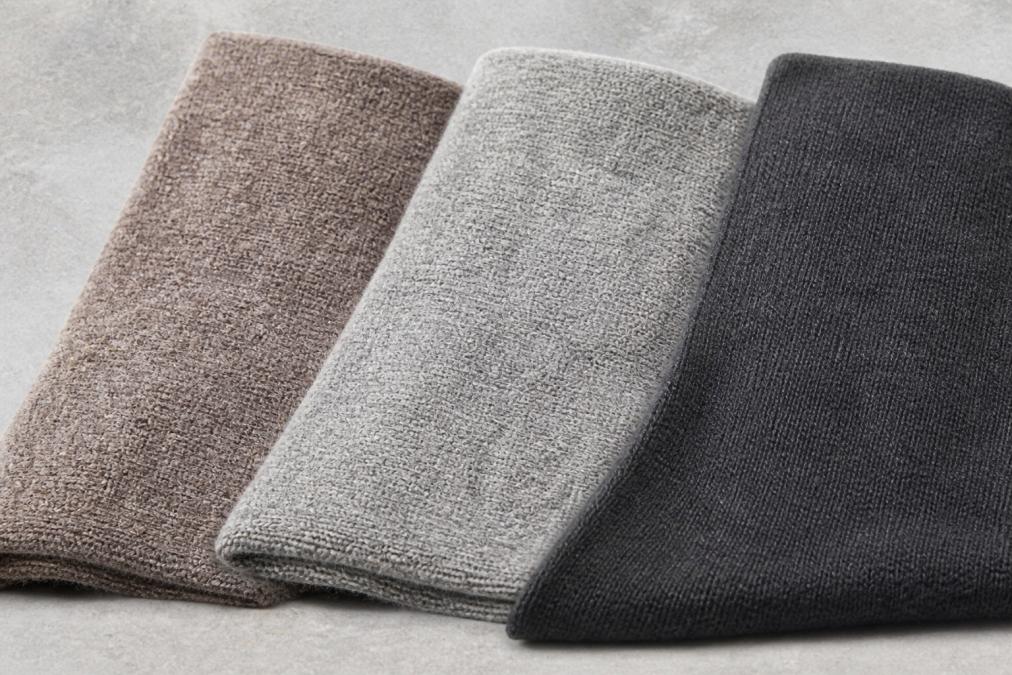
Moisture-wicking performance separates socks that keep feet dry from those that trap sweat against skin. The best winter socks move moisture away from the foot surface where it can evaporate, preventing the clammy feeling that leads to blisters and temperature loss.
Alpaca naturally repels water and dries quickly, crucial for hiking, climbing, skiing, or trail running. The USA Made Alpaca Compression Socks ($39.95) deliver 15-20 mmHg of graduated compression support while maintaining alpaca's moisture-wicking advantage with a 75% alpaca blend. Look for terry loop construction on the interior, reinforced heel and toe, and arch support bands. The Survival Over-the-Calf Sock ($38.95) delivers all three with 78% U.S. alpaca and full terry loop cushioning. durable fabric guide.
Budget-conscious buyers should consider the 100% Alpaca American Traveler Socks ($24.95), made in the USA by a knitting mill, maximizing natural moisture-wicking and odor resistance.
How to Layer for Cold Weather Without Bulk
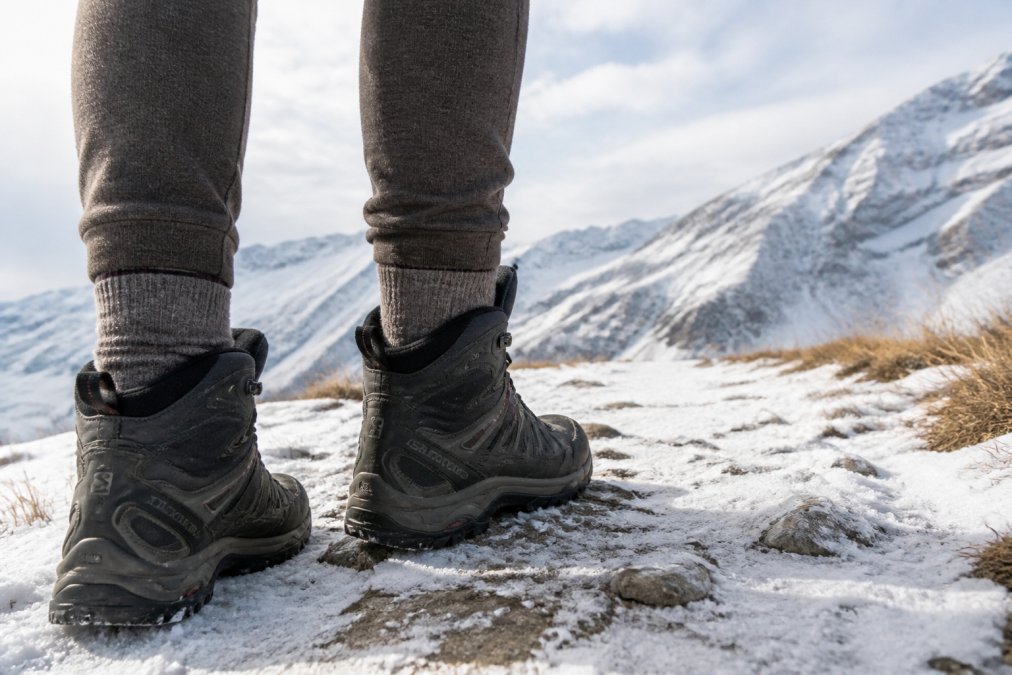
Effective cold-weather layering starts with your base layer prioritizing moisture management over insulation, your mid-layer providing warmth through trapped air, and your outer layer blocking wind and precipitation. The mistake most people make is choosing a base layer too thick, it compresses under mid-layers, losing insulating air pockets and creating a restrictive feel. Alpaca's superior warmth-to-weight ratio solves this problem.
Start with a lightweight alpaca base layer like the Sports Crew Active Alpaca Socks ($22.95), featuring 60% baby alpaca with micro padding for breathability. Layer a merino or wool mid-layer on top for additional insulation, then finish with a windproof outer shell. For serious cold, the Survival Sock ($31.95) provides mid-weight terry loop cushioning that works as either a standalone base layer for moderate conditions or as a second layer under a thinner base for extreme cold. Prioritize fiber quality over thickness, a thin alpaca layer outperforms a thick synthetic layer because alpaca's fiber structure traps more air per unit of material.

The warmest non-bulky thermal base layers succeed because they respect the relationship between fiber structure and thermal performance. Purely Alpaca has delivered alpaca wool products since 2002, specializing in exceptional warmth and comfort without bulk. With free shipping on orders over $100 and hassle-free returns, exploring alpaca's genuine performance benefits carries no risk. Shop all thermal options and experience the difference superior fiber engineering delivers when the temperature drops.
=== FAQ ANSWERS (audit these too, same rules) ===
[1] Q: Is alpaca wool warmer than merino wool for base layers? A: Alpaca fiber has a superior warmth-to-weight ratio compared to merino wool due to its hollow-core fiber structure, which traps heat more efficiently while remaining lighter. Alpaca also excels in extreme cold, maintaining loft better than merino under harsh conditions, making it ideal for warmest non-bulky thermal base layers.
[2] Q: What makes alpaca fiber hypoallergenic compared to regular wool? A: Alpaca fiber is naturally hypoallergenic because it lacks lanolin, the waxy substance found in sheep wool that triggers irritation in sensitive skin. Alpaca fibers are also finer (typically 16-25 microns) than sheep wool (25-40 microns), resulting in a smoother texture that won't irritate skin during next-to-skin wear. This makes alpaca an excellent choice for those with eczema or wool sensitivity seeking comfortable thermal base layers.
[3] Q: Do thin thermal base layers actually keep you warm? A: Yes, when made from high-performance fibers like alpaca or merino. North Carolina State University research shows that 100% merino wool baselayers maintain thermal equilibrium during both exertion and rest, preventing 'after-chill' when you stop moving. Alpaca's hollow-core structure achieves similar results with even less bulk. The key is fiber quality and moisture management, not thickness, superior insulation comes from how fibers trap air, not from volume alone.
Frequently Asked Questions
Q: Is alpaca wool warmer than merino wool for base layers?
A: Alpaca fiber has a superior warmth-to-weight ratio compared to merino wool due to its hollow-core fiber structure, which traps heat more efficiently while remaining lighter. Alpaca also excels in extreme cold, maintaining loft better than merino under harsh conditions, making it ideal for warmest non-bulky thermal base layers.
Q: What makes alpaca fiber hypoallergenic compared to regular wool?
A: Alpaca fiber is naturally hypoallergenic because it lacks lanolin, the waxy substance found in sheep wool that triggers irritation in sensitive skin. Alpaca fibers are also finer (typically 16-25 microns) than sheep wool (25-40 microns), resulting in a smoother texture that won't irritate skin during next-to-skin wear. This makes alpaca an excellent choice for those with eczema or wool sensitivity seeking comfortable thermal base layers.
Q: Do thin thermal base layers actually keep you warm?
A: Yes, when made from high-performance fibers like alpaca or merino. North Carolina State University research shows that 100% merino wool baselayers maintain thermal equilibrium during both exertion and rest, preventing 'after-chill' when you stop moving. Alpaca's hollow-core structure achieves similar results with even less bulk. The key is fiber quality and moisture management, not thickness, superior insulation comes from how fibers trap air, not from volume alone.
This article was written using GrandRanker