


Table of Contents
- Where to Buy High Quality Alpaca Products
- How to Identify Authentic Alpaca Fiber
- Benefits of Alpaca Wool Clothing
- Alpaca Wool Care Instructions
Last Updated: August 19, 2026
Where to Buy High Quality Alpaca Products
Finding genuine high-quality alpaca requires more than a quick online search. The global alpaca fiber market is valued at USD 1.1 billion in 2026, with premium products commanding premium prices for good reason. When you buy high quality alpaca, you're investing in fiber that outperforms merino wool, cashmere blends, and synthetic alternatives in warmth, durability, and comfort.
The challenge isn't availability, it's authenticity. Many retailers mix alpaca with cheaper fibers or label blends as pure alpaca. Purely Alpaca, in business since 2002, has built a reputation by sourcing directly from mills and providing transparent fiber grading. This guide walks you through where to find genuine products, how to verify quality, and what makes alpaca worth the investment.
Quick Picks:
- Best for Luxury Fiber: Purely Alpaca's 100% baby alpaca scarves and wraps (starting at $45)
- Best for Ultimate Luxury: Vicuña products from Purely Alpaca (finest animal fiber in the world)
- Best for Accessible Quality: Baby alpaca accessories and home goods ($45-$340)
1. Purely Alpaca, Premium Quality Since 2002
Purely Alpaca is a family-owned business specializing exclusively in alpaca products. The company sources from established mills in Ecuador and Peru, maintains strict fiber grading standards, and provides clear fiber content labeling on every product.

What separates Purely Alpaca from mass-market retailers is transparency about fiber grades. Their baby alpaca items use the highest-quality fleece available, finer, softer, and more durable than standard alpaca. The 100% Baby Alpaca Scarf starts at $57.95. Orders over $100 qualify for free shipping.
For those seeking the finest fiber, Purely Alpaca carries 100% Vicuña products. Vicuña fiber measures just 12 micrometers in diameter, finer than any other wool in the world. The Basel 100% Vicuña Scarf is $1,789.95, and each piece includes a CITES certificate proving the fiber came from government-controlled shearing operations on live animals.

The company also offers alpaca ruanas (ponchos), wraps, and home goods. The Double Face Alpaca Ruana at $339.95 is reversible, while the 100% Baby Alpaca Woven Ruana at $209.95 delivers luxury warmth without the premium Vicuña price tag.
2. How to Identify Authentic Alpaca Fiber
The difference between genuine high-quality alpaca and blended imposters comes down to three factors: fiber grade, micron count, and transparency.
Fiber Grades Explained:
Baby alpaca is the highest grade, fleece from animals under one year old, with micron count typically ranging from 20-24 micrometers. Royal alpaca comes from older animals and measures 25-30 micrometers. Standard alpaca runs 31-40 micrometers and is coarser and more prone to pilling.
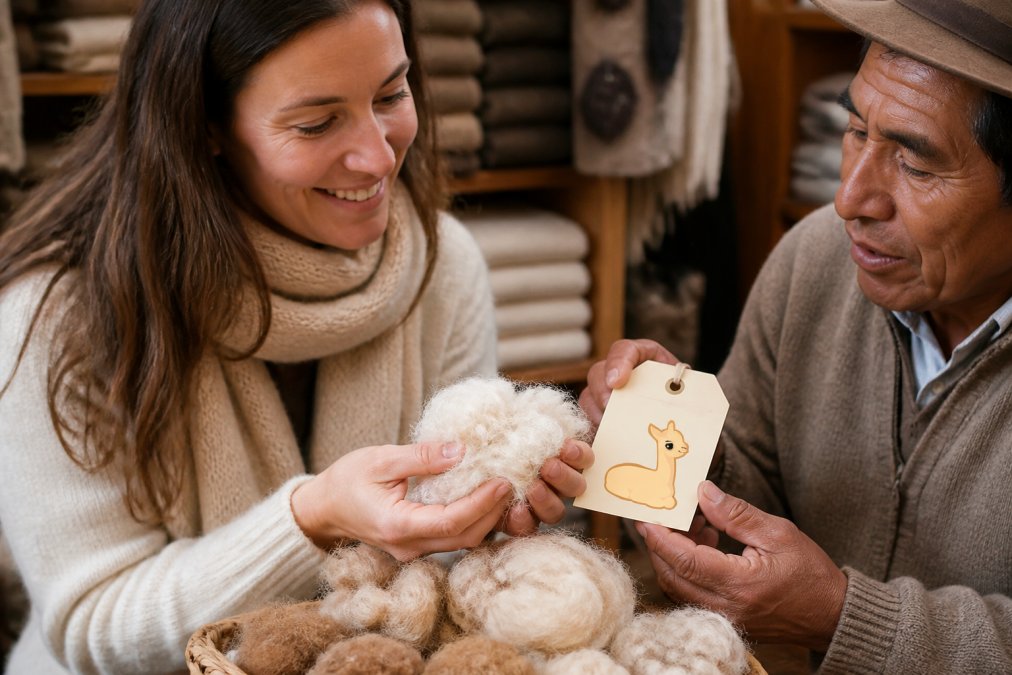
Check product labels carefully. Legitimate sellers list micron count because it directly correlates with softness and price. If a retailer can't tell you the micron count, the fiber is likely standard grade or a blend.
Many retailers mix alpaca with acrylic, cotton, or polyester and still market the product as "alpaca." Read the fiber content line, not the marketing copy. High-quality alpaca (baby grade, 20-24 microns) resists pilling because the fibers are shorter and more densely woven. Genuine 100% baby alpaca products cost $45-$100 for scarves, $150-$400 for sweaters, and $300+ for wraps. If a retailer offers "alpaca" products at significantly lower prices, the fiber grade is likely lower or the blend ratio is higher than advertised.
3. Benefits of Alpaca Wool Clothing
Alpaca wool delivers specific performance advantages that justify the price premium.
Hypoallergenic Properties:
Alpaca lacks lanolin, the waxy substance that triggers reactions in people with wool sensitivity. Many customers with sensitive skin or eczema find alpaca tolerable when merino wool causes itching.
Thermal Regulation:
Alpaca fiber has hollow air-filled cores that trap insulating air, creating exceptional warmth without bulk. A single alpaca scarf weighing 130 grams provides more warmth than a heavier synthetic blend. The fiber also breathes and wicks moisture away from skin while maintaining core temperature.
Durability and Longevity:
Properly cared for, alpaca products last 10-15 years or longer. The fiber resists pilling, maintains shape, and doesn't degrade with regular wear. A $60 alpaca scarf worn twice weekly will outlast three $20 synthetic scarves.
Sustainable and Ethical Sourcing:
Alpaca fiber requires minimal chemical processing. Unlike sheep wool, which often involves harsh chemical treatments, alpaca can be processed with gentler methods. Purely Alpaca sources from mills that prioritize sustainable practices. The alpaca apparel market is projected to grow from USD 805.2 million in 2026 to USD 1,412.0 million by 2033, driven by rising demand for natural fashion apparel.
4. Alpaca Wool Care Instructions
Proper care extends the life of alpaca products and maintains their softness.
Hand Washing (Preferred Method):
Fill a sink with lukewarm water (around 65-70°F) and add a delicate wool shampoo. Submerge the garment and gently agitate for 3-5 minutes. Never wring or twist. Rinse in cool water 2-3 times until the water runs clear. Gently squeeze out excess water.
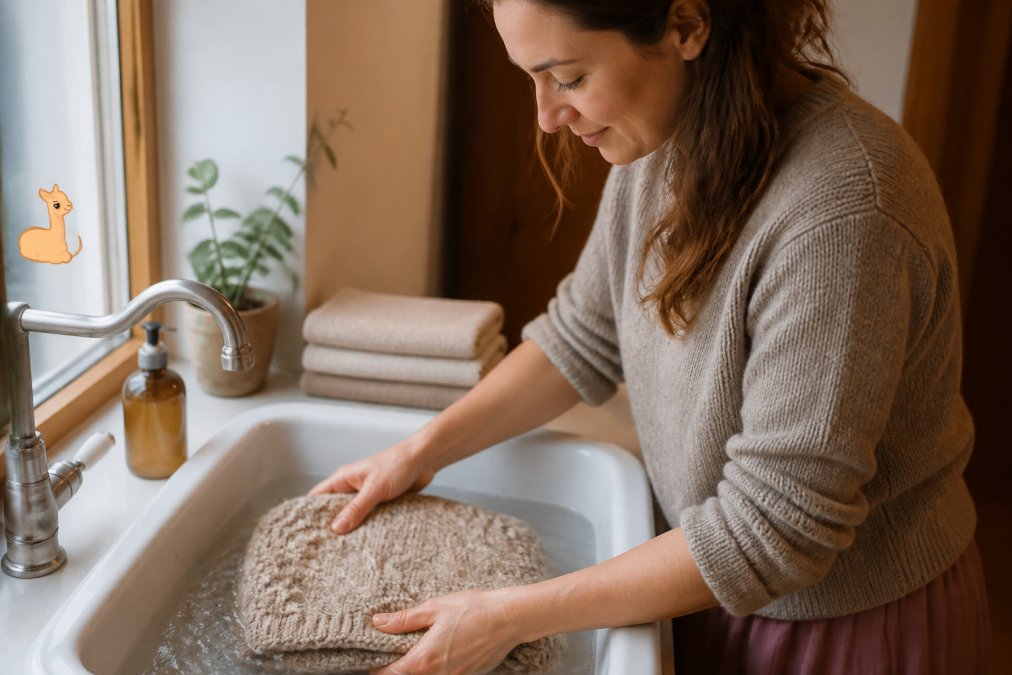
Machine Washing (Gentle Cycle Only):
Select the delicate cycle with cold water. Use a mesh laundry bag to protect the garment. Add wool-specific detergent and keep the spin cycle short.
Drying:
Never tumble dry or hang alpaca products. Lay them flat on a clean towel to dry. If the towel becomes saturated, replace it with a dry one. Alpaca takes 24-36 hours to dry fully.
Storage:
Store alpaca products folded in a breathable cotton bag or drawer. Avoid plastic, which traps moisture. Cedar blocks or lavender sachets repel moths naturally.
Stain Treatment:
Address spills immediately by blotting (not rubbing) with a clean cloth. For set-in stains, professional dry cleaning is safer than home treatment.
| Care Task | Method | Frequency | Notes |
|---|---|---|---|
| Washing | Hand wash in cool water with wool shampoo | Every 3-4 months (scarves); 2-3 times yearly (sweaters) | Gentle agitation only; never wring |
| Drying | Lay flat on clean towel | After each wash | Takes 24-36 hours; reshape while drying |
| Storage | Fold in breathable cotton bag | Year-round | Use cedar blocks or lavender for moth prevention |
| Stain removal | Blot immediately; professional cleaning for set stains | As needed | Avoid home stain removers |
Why Choose 100% Alpaca Over Blends
The fiber content line on a product label determines everything: warmth, durability, softness, and longevity. A 100% alpaca scarf performs differently than a 70% alpaca-30% acrylic blend.
100% baby alpaca delivers consistent warmth across the entire garment. Blended products have uneven thermal properties, and synthetic fibers pill more aggressively over time. A $60 100% alpaca scarf worn 2-3 times weekly for 10 years costs roughly $0.04 per wear, while a $25 blend scarf requiring replacement every 2-3 years costs $0.08-$0.12 per wear. The upfront premium pays for itself through durability.
Regional Origins: Ecuador vs. Peru
Alpaca fiber quality depends more on mill processing and fiber grading than geographic origin, but both regions have distinct advantages.
Peruvian Alpaca:
Peru is the world's largest alpaca producer, with centuries of heritage in alpaca farming and textile manufacturing. Peruvian mills often specialize in luxury fiber and hand-woven products. The Peruvian government maintains a labeling system guaranteeing ethical animal treatment and profit-sharing with local villagers.
Ecuadorian Alpaca:
Ecuador's alpaca farms are smaller and often family-run, emphasizing organic and sustainable farming practices. The high altitude produces exceptional fiber quality, and artisans use ancestral techniques dating back to the Incan empire.
Both regions produce world-class fiber. For buying high quality alpaca, either origin is reliable if the mill is reputable and fiber grading is transparent.
Alpaca as a Gift for Luxury Seekers
Alpaca products are thoughtful luxury gifts because they combine functionality with genuine quality. Alpaca wraps pack light and provide exceptional warmth for travelers. If the recipient has eczema or wool allergies, 100% alpaca is often the only luxury fiber they can wear comfortably. For outdoor enthusiasts, alpaca's thermal regulation and moisture-wicking make it perfect for hiking and skiing. Alpaca blankets and throws elevate home decor while delivering genuine warmth and appeal to people who prioritize sustainable, natural materials.
Key Takeaways
- Fiber grade matters most: Baby alpaca (20-24 microns) outperforms standard alpaca and blends in softness, durability, and pilling resistance.
- 100% alpaca beats blends: The upfront cost premium is offset by durability; a $60 alpaca scarf outlasts three $20 synthetic blends.
- Transparency is a trust signal: Legitimate sellers disclose micron count, fiber grade, and country of origin.
- Purely Alpaca's 24-year track record: In business since 2002, the company has built expertise in sourcing genuine, high-quality fiber and maintains customer satisfaction at 4.0 out of 5.0.
- Care extends lifespan: Hand washing in cool water and laying flat to dry keep alpaca products soft and durable for 10+ years.
- Hypoallergenic appeal: Alpaca's lack of lanolin makes it accessible for people with wool sensitivity or eczema.
Where to Start
If you're new to alpaca, begin with the Solid Weave Brushed Alpaca Scarf ($45) from Purely Alpaca. It delivers baby alpaca quality at an approachable price and demonstrates why alpaca commands a premium.
For those ready to invest in heirloom-quality fiber, Purely Alpaca's Vicuña collection represents the finest animal fiber in the world. Each piece arrives with a CITES certificate and wooden presentation box.
The key to buying high quality alpaca is matching your budget to fiber grade, verifying transparency about micron count and origin, and choosing a retailer with a track record of customer satisfaction. Purely Alpaca meets all three criteria, with 24 years of specialization, clear fiber grading, and a hassle-free return policy that removes purchasing risk.
Frequently Asked Questions
How do I know if alpaca will irritate my sensitive skin?
Alpaca fiber is naturally hypoallergenic and lanolin-free, making it gentler than sheep wool for sensitive skin. Unlike traditional wool that contains lanolin (a waxy substance that triggers irritation), alpaca lacks this irritant entirely. The fiber's smooth surface and fine micron count (typically 20-25 microns for quality grades) mean less friction and itching. Many people with eczema and skin sensitivity report alpaca causes no irritation. Start with a small item like a scarf to test your personal response before committing to larger purchases.
What makes alpaca worth 2-3 times more than regular department store sweaters?
High-quality alpaca costs more because of superior durability, warmth, and performance. Alpaca fiber is stronger than cashmere and highly resistant to pilling, meaning garments maintain their appearance for years. The fiber's hollow structure provides exceptional thermal regulation and moisture-wicking without bulk. Premium alpaca products use baby alpaca (the finest grade) with micron counts under 22, creating unmatched softness. Additionally, ethical sourcing and artisan craftsmanship, especially hand-woven pieces, justify the investment. A $150 alpaca sweater outlasts five $30 synthetic alternatives.
How can I verify that alpaca products are truly 100% alpaca and not blended?
Check the fiber content label on every garment, legitimate sellers clearly state the percentage. Look for terms like 'baby alpaca' (the highest grade) or 'royal alpaca,' which indicate premium quality. Genuine 100% alpaca feels distinctly soft and smooth without scratchiness; blended fabrics feel coarser. Research the retailer's sourcing, established companies like Purely Alpaca (in business since 2002) provide detailed product descriptions and certifications. Ask questions: reputable sellers disclose where fiber comes from and how it's processed. Avoid unmarked items or vague descriptions like 'alpaca blend' without percentages stated.
Will alpaca socks keep my feet dry during hiking in wet conditions?
Yes. Alpaca fiber excels at moisture-wicking, it absorbs moisture away from skin while remaining breathable, so feet stay dry longer than in cotton or wool. The fiber's thermal regulation properties maintain warmth even when damp, unlike cotton which loses insulation when wet. For serious hiking, choose 100% baby alpaca or alpaca-dominant blends (at least 70% alpaca). The hollow fiber structure traps air for insulation while allowing moisture to evaporate. Alpaca socks perform better than merino wool in sustained wet conditions because they dry faster and resist odor buildup.
Do high-quality alpaca products really resist pilling and hold up over time?
Yes. Alpaca fiber is significantly stronger than cashmere and naturally resistant to pilling due to its smooth, fine structure. Properly cared for alpaca garments last 5-10+ years without visible wear. The key is following care instructions: hand wash or dry clean with gentle detergents, avoid high heat, and lay flat to dry. Products from established retailers like Purely Alpaca, which has served customers since 2002, come with realistic durability expectations. Lower-quality blended alpaca may pill; premium 100% baby alpaca rarely does. Invest in recognized brands with customer reviews confirming longevity.
Ready to experience genuine alpaca luxury? Shop all Purely Alpaca products and discover why discerning customers choose quality fiber that lasts decades. Free shipping on orders over $100.
This article was written using GrandRanker