



Table of Contents
- Why Alpaca Fiber Stands Out in Cold-Weather Apparel
- Alpaca Wool vs Cashmere for Warmth and Performance
- Alpaca Fiber Hypoallergenic Properties and Skin Comfort
- How to Wash Alpaca Sweaters and Maintain Longevity
Last Updated: August 22, 2026
Alpaca fiber has transformed from a niche luxury into a mainstream choice for cold-weather performance. This natural material delivers thermal regulation, hypoallergenic properties, and durability that synthetic alternatives struggle to match. At Purely Alpaca, we've spent over two decades sourcing and crafting products that showcase why alpaca has become the fiber of choice for outdoor enthusiasts, people with sensitive skin, and anyone who refuses to sacrifice comfort for performance.
According to Fortune Business Insights market analysis, the global alpaca apparel and accessories market was valued at $770 million in 2025 and is projected to reach $1.51 billion by 2034, growing at 7.73% annually. This growth reflects a fundamental shift: consumers now understand that alpaca's benefits justify the premium price point.
Why Alpaca Fiber Stands Out in Cold-Weather Apparel
Alpaca fiber delivers three times the strength of sheep's wool while remaining significantly lighter, making it ideal for layering without bulk. Unlike wool, which relies on trapped air pockets, alpaca fiber uses a hollow core structure that creates superior insulation per unit weight. Research from The University of Western Australia thermal insulation study confirmed that alpaca fibers offer exceptional thermal insulation in cold climates.

Alpaca fiber wicks away moisture 85% more effectively than wool, keeping you dry during intense activity or temperature fluctuations.
Alpaca Wool vs Cashmere for Warmth and Performance
Cashmere costs 3-5 times more than alpaca, yet alpaca outperforms it in every practical metric. Alpaca garments maintain their appearance for five to seven years with proper care, while cashmere shows visible wear within two to three seasons. Alpaca's straight, smooth fibers resist pilling far better than cashmere's delicate strands.
Alpaca fiber is 30% more thermally efficient than sheep's wool, according to Business Research Insights alpaca fiber analysis. For activities where weight matters, backpacking, climbing, travel, this advantage compounds quickly.
Cashmere requires frequent dry cleaning or hand washing with specialized products. Alpaca withstands gentle machine washing and air drying without degradation. Over five years, cashmere's true cost, including professional cleaning, exceeds alpaca by hundreds of dollars while delivering inferior longevity.
Alpaca Fiber Hypoallergenic Properties and Skin Comfort
Alpaca fiber is naturally hypoallergenic because it contains zero lanolin, the waxy substance that triggers irritation in people with sensitive skin. This single difference explains why 46% of consumers now prefer alpaca fiber specifically for its lanolin-free composition, according to Business Research Insights consumer preference data.
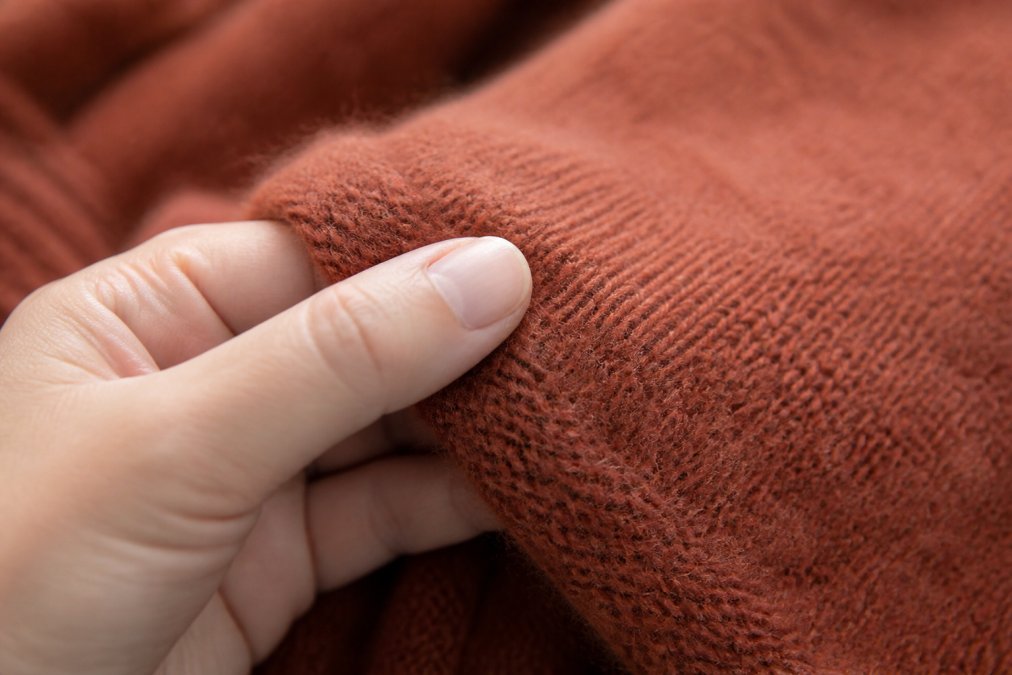
Traditional wool irritates because lanolin and coarse fiber diameter trigger inflammation. Alpaca eliminates both problems. The fiber diameter is finer than most wool grades, creating a material that feels luxurious against skin rather than scratchy. People with eczema, psoriasis, or general wool sensitivity report that alpaca causes zero irritation.
How to Wash Alpaca Sweaters and Maintain Longevity
Proper care extends alpaca garment life from three years to seven. Alpaca fiber's odor resistance means you can wear pieces 3-4 times before washing, reducing wear compared to materials that require frequent cleaning.
| Care Step | Method | Frequency |
|---|---|---|
| Washing | Gentle machine cycle, cold water | Every 3-4 wears |
| Drying | Lay flat, air dry completely | Always |
| Storage | Fold and store in breathable container | Year-round |
| Deodorizing | Air out between wears (no washing needed) | Weekly |
| Pilling | Gently remove with fabric comb if needed | As needed |
Never use hot water, bleach, or fabric softener. Cold water with mild detergent is all you need. Lay flat to dry, machine drying destroys the fiber structure and causes irreversible shrinkage.
Pilling occasionally occurs with lower-grade alpaca but is easily managed with a fabric comb. Higher-grade baby or royal alpaca resists pilling almost entirely. Purely Alpaca's Ebel Alpaca Sweater demonstrates this durability, combining functionality with the longevity you expect from premium alpaca apparel.

For investment pieces like the Premium Classic Solid Alpaca Poncho, use breathable cotton bags for storage, never plastic. Cedar blocks or lavender sachets provide natural moth protection without harsh chemicals.

Frequently Asked Questions
Is alpaca fiber warmer than sheep's wool?
Yes. Alpaca fiber wicks away moisture 85% more than wool and is three times stronger. It offers 30% higher thermal insulation efficiency compared to sheep wool while being significantly lighter, making it ideal for layering without bulk. This superior insulation comes from alpaca's hollow fiber structure, which traps warm air more effectively than traditional wool fibers.
Does alpaca fiber have hypoallergenic properties compared to regular wool?
Absolutely. Alpaca fiber is naturally hypoallergenic because it lacks lanolin, the oil found in sheep's wool that causes irritation for many people. Approximately 46% of consumers prefer alpaca fiber specifically for its lanolin-free composition, making it ideal for those with sensitive skin or eczema. Higher-quality grades like baby alpaca are even less likely to cause discomfort.
How long will alpaca sweaters last with proper care?
Properly maintained alpaca pieces retain their appearance for five to seven years or longer. Alpaca fiber resists pilling far better than cashmere, and with gentle washing and proper storage, your investment pays dividends. The durability comes from alpaca's superior tensile strength and abrasion resistance, which means your garments maintain their shape and softness through years of regular wear.
The benefits of alpaca fiber for clothing justify the investment through performance, comfort, and longevity. Whether you're managing sensitive skin, need superior cold-weather performance, or simply want garments that last, alpaca delivers where other fibers fall short. Explore Purely Alpaca's collection and experience why this fiber has earned its place as the standard for luxury, functional apparel.
This article was written using GrandRanker