




Table of Contents
- Best Fabrics for Sensitive Skin
- Fabrics to Avoid If You Have Sensitive Skin
- How to Wash Clothes for Sensitive Skin
- Key Features of Hypoallergenic Clothing
Last Updated: August 14, 2026
Best Fabrics for Sensitive Skin
When your skin reacts to almost everything, fabric choice becomes non-negotiable. Natural fibers like alpaca, organic cotton, and bamboo viscose outperform synthetics because they allow your skin to breathe while maintaining thermal regulation. Unlike polyester or acrylic blends, these materials don't trap heat and sweat, which trigger contact dermatitis and itching cycles. Alpaca fiber has a naturally smooth surface structure with a hollow-fill design that creates insulating air pockets without the scales that make regular wool scratchy and irritating.
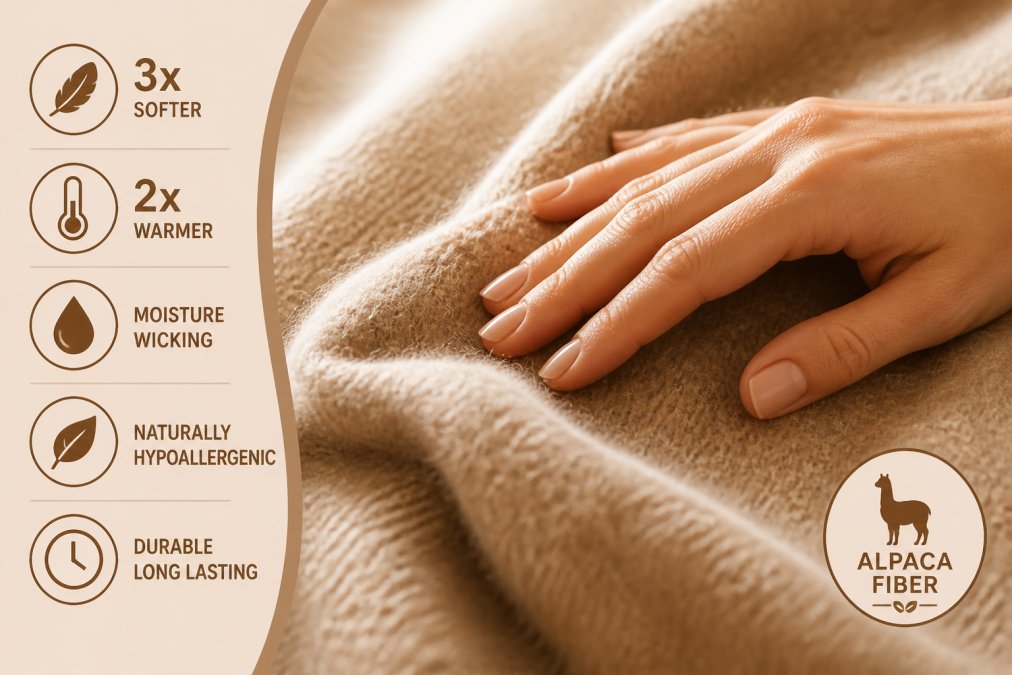
Organic cotton is grown without synthetic pesticides or herbicides. Look for GOTS (Global Organic Textile Standard) labeling to ensure formaldehyde-free certification. Bamboo viscose offers exceptional softness and moisture-wicking properties through closed-loop production systems that minimize chemical residue.
Flat seams and tagless construction prevent pressure points that trigger irritation. Seams create friction zones where sweat accumulates and bacteria multiply. Tagless designs eliminate constant rubbing that sensitizes skin over weeks of wear.
| Fabric Type | Breathability | Moisture-Wicking | Hypoallergenic Rating | Best For |
|---|---|---|---|---|
| Alpaca | Excellent | Very Good | Excellent | Cold weather, layering, sensitive skin |
| Organic Cotton | Good | Good | Very Good | Year-round basics, warm climates |
| Bamboo Viscose | Excellent | Excellent | Very Good | Warm weather, moisture management |
| Merino Wool | Good | Very Good | Good | Active wear, temperature regulation |
| Synthetic Blends | Fair | Fair | Fair | Avoid for sensitive skin |
Fabrics to Avoid If You Have Sensitive Skin
Conventional polyester and acrylic trap moisture against your skin, creating the perfect environment for bacterial growth and irritation. These synthetics don't breathe and hold sweat and heat, which accelerates skin barrier breakdown and triggers the itch-scratch cycle.
Wool from sheep, especially lower-grade varieties, contains lanolin residues and scales that mechanically irritate sensitive skin. Standard wool averages 25-30 microns; anything above 25 microns triggers dermatographia (skin writing) in people with reactive skin. Merino wool is finer (18-24 microns) but may still cause issues for those with severe sensitivity.
Fabrics treated with chemical dyes, particularly azo dyes and heavy metal dyes, create contact dermatitis reactions. Formaldehyde-based finishes used to prevent wrinkles and shrinkage linger on fabric after manufacturing. When you wear these clothes against your skin for 8+ hours daily, cumulative exposure matters.
Blended fabrics that combine natural fibers with synthetics inherit the worst properties of both. The synthetic component reduces breathability, and the blend often requires chemical treatments to maintain consistency. Pure natural fibers are almost always safer than blends.
How to Wash Clothes for Sensitive Skin
Laundry detergent compatibility matters as much as fabric choice. Standard detergents contain surfactants, enzymes, and fragrances that bond to fibers and remain on your skin. Switch to fragrance-free, dye-free detergent formulated for sensitive skin to eliminate this layer of irritation.
Machine wash on a gentle cycle with cold or warm water (not hot) to preserve fiber integrity and reduce chemical penetration. Turn clothes inside out before washing to minimize pilling. Use half the recommended detergent amount; most people overdose, and excess soap stays trapped in fabric.
Skip fabric softener entirely. Fabric softeners coat fibers with a waxy residue that reduces breathability and traps moisture and bacteria. If you want softness, white vinegar (1/4 cup in the rinse cycle) naturally softens without residue.
Dry on low heat or hang to air dry. High-heat dryers damage delicate fibers and can set remaining detergent residue permanently. Air drying removes residual chemicals through evaporation.
Wash new clothes before wearing to remove manufacturing residues, dyes, and sizing agents. Store clean clothes in unscented, breathable containers like cedar or cotton boxes that allow air circulation. Keep detergents and fabric softeners away from storage areas.
Key Features of Hypoallergenic Clothing
The best hypoallergenic clothing combines multiple design features that work together. No single attribute makes a garment safe; it's the combination that matters.
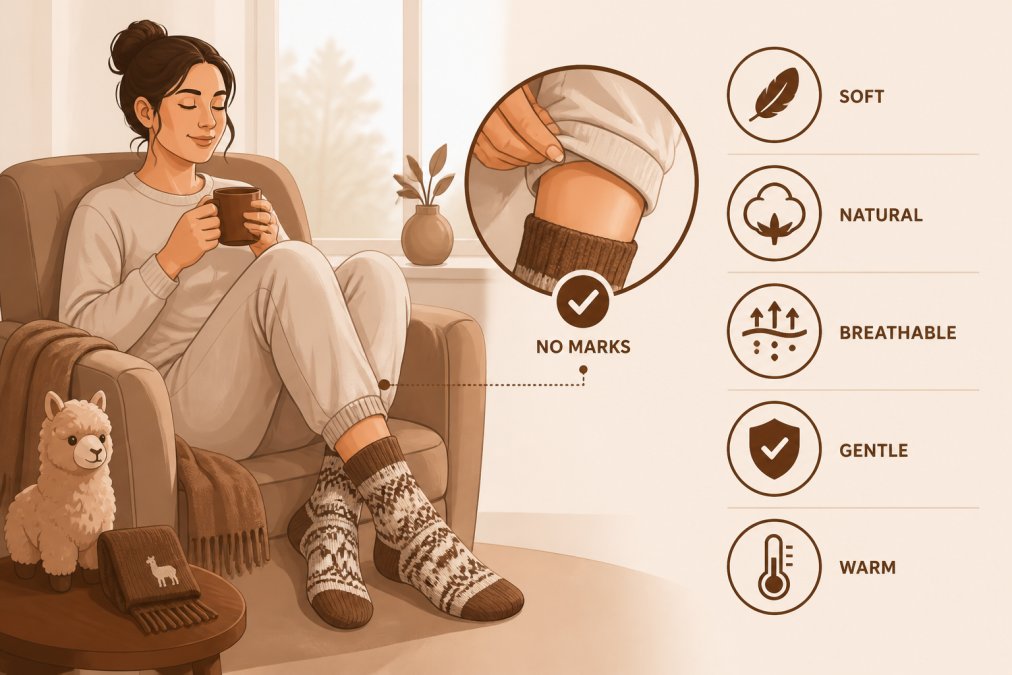
Moisture-wicking capability prevents sweat accumulation and bacterial overgrowth. Alpaca's hollow-fill structure excels here, wicking moisture while maintaining insulation. Bamboo viscose offers similar performance in warm weather.
Thermal regulation without overheating matters for temperature-sensitive skin conditions like rosacea. Alpaca maintains stable temperature through insulating air pockets while remaining breathable.
Durability prevents fabric degradation that triggers irritation. High-quality natural fibers resist pilling better than cheap synthetics. Alpaca from reputable makers like Purely Alpaca maintains structural integrity through dozens of wash cycles.
Softness without chemical softeners indicates minimal processing. Truly soft fabric results from fiber quality and gentle manufacturing, not chemical coating.
Non-toxic dyes matter as much as fiber choice. Reactive dyes bond permanently to fiber and don't leach. Undyed or colorgrown options eliminate dye chemicals entirely.
Adaptive wear design with loose fits, adjustable closures, and strategic seaming prevents pressure points. Products like the Soft Touch Therapeutic Alpaca Slouchy Socks from Purely Alpaca specifically address this with non-restrictive fits that don't leave marks on skin.

Finding the right hypoallergenic clothing for sensitive skin requires matching fabric type to your specific triggers. Alpaca fiber stands out because it combines natural hypoallergenic properties with exceptional durability and performance. Purely Alpaca's range of alpaca socks and layering pieces, including the Soft Touch Therapeutic Alpaca Slouchy Socks at $29.95 and the OutdoorAdventure Alpaca Sock at $29.95, delivers the warmth and comfort your sensitive skin needs without chemical irritation. Shop all Purely Alpaca products to find pieces that work with your skin, not against it.
Frequently Asked Questions
What clothing material is best for sensitive skin?
Alpaca fiber, organic cotton, and bamboo viscose are the top choices for sensitive skin. Alpaca is naturally hypoallergenic, soft, and breathable without the itchiness of traditional wool. Look for fabrics labeled as formaldehyde-free, non-toxic, and free from synthetic dyes. Organic cotton avoids pesticide residues, while bamboo viscose offers excellent moisture-wicking. Avoid synthetic fibers and blends containing latex or harsh chemicals that trigger contact dermatitis.
Which fabric is better for eczema, bamboo or cotton for eczema?
Both work well, but it depends on your needs. Organic cotton is breathable and gentle but absorbs moisture. Bamboo viscose excels at moisture-wicking, keeping skin dry and reducing inflammation. For eczema sufferers, bamboo's superior moisture management often prevents the damp environment that worsens flare-ups. However, ensure the bamboo is produced responsibly and the fabric has flat seams and tagless construction to minimize irritation.
How should I wash clothes to prevent skin irritation?
Use fragrance-free, hypoallergenic detergent and skip fabric softeners entirely. Wash in cold water, turn items inside out, and run an extra rinse cycle to remove all soap residue. Dry on low heat or air dry to preserve fabric integrity. For alpaca items, hand washing or gentle machine cycles work best. Avoid bleach and oxygen-based cleaners. Always wash new clothes before wearing to remove manufacturing residues and dyes.
What features should I look for in hypoallergenic clothing?
Prioritize flat seams, tagless labels, and seamless construction to prevent friction and irritation. Choose breathable, moisture-wicking fabrics that regulate temperature and keep skin dry. Verify the item is formaldehyde-free and dyed with non-toxic, low-impact dyes. Check fiber content labels for natural materials like alpaca, organic cotton, or bamboo. Avoid tight elastic, restrictive waistbands, and synthetic blends that trap moisture and heat.
Why does regular wool irritate sensitive skin while alpaca doesn't?
Wool fibers have scales that create friction and irritation on sensitive skin, causing itching and inflammation. Alpaca fiber is smoother, lacks these scales, and has a hollow-fill structure that provides superior insulation without the irritation. Alpaca is also naturally hypoallergenic and dermatologist-approved for eczema-prone skin. Its thermal regulation properties keep skin comfortable without overheating, which can trigger flare-ups.
Can I wear hypoallergenic clothing year-round?
Yes. Hypoallergenic fabrics like alpaca, organic cotton, and bamboo viscose work in all seasons. In summer, lighter-weight natural fibers breathe well and wick moisture. In winter, thicker alpaca socks and leggings provide warmth without synthetic bulk. The key is choosing appropriate weight and layering. Alpaca's unique ability to regulate temperature makes it ideal for both seasonal transitions and extreme conditions, reducing the need for irritating synthetic thermal wear.
This article was written using GrandRanker