




Table of Contents
- What Defines Ethical Luxury Fashion
- How to Identify Greenwashing vs. Genuine Ethical Claims
- Sustainable Alternatives to Fast Fashion Sweaters
- Benefits of Alpaca Wool Clothing for Winter Performance
- Top Ethical Luxury Winter Pieces: Comparison & Selection
- How to Build a Sustainable Winter Capsule Wardrobe
- Care, Longevity, and Resale Value
- Frequently Asked Questions
Last Updated: September 18, 2026
What Defines Ethical Luxury Fashion
Ethical luxury fashion prioritizes environmental sustainability, fair labor practices, and transparent supply chains without compromising quality or design. Unlike fast fashion, ethical brands invest in sustainable materials, responsible manufacturing, and long-term garment durability.
The sustainable fashion market is projected to reach USD 10,122.8 million in 2026 and grow at a compound annual growth rate of 10.1% through 2033, according to Coherent Market Insights' 2026 global sustainable fashion market analysis. This growth reflects a fundamental shift: luxury consumers increasingly demand proof that their purchases align with their values.
Genuine ethical brands disclose sourcing, manufacturing locations, labor conditions, and environmental impact. They're transparent about challenges and progress, distinguishing themselves from greenwashing.
At Purely Alpaca, we've specialized in natural fiber luxury since 2002. Our approach to ethical luxury fashion winter centers on alpaca fiber: a material that delivers warmth without the resource intensity of conventional wool or synthetic alternatives. Alpaca requires less water, produces lower carbon emissions during production, and naturally resists odor and pilling, meaning garments last longer and need less frequent washing.
How to Identify Greenwashing vs. Genuine Ethical Claims
Greenwashing uses vague sustainability claims without data, certifications, or transparency. Credible brands name suppliers, certify materials, and publish impact reports.
Look for these markers of genuine ethical commitment:
Third-party certifications. Brands working with organizations like the Fashion Revolution's Fashion Transparency Index allow independent audits of their claims. Stella McCartney and Gabriela Hearst, for example, undergo regular vetting to maintain their positions as leaders in sustainable luxury.
Specific sourcing information. Genuine brands name suppliers and manufacturing locations; vague claims without details signal greenwashing.
Measurable environmental metrics. Carbon footprint, water usage, and waste diversion rates matter; vague promises without data mean nothing.
Labor practices disclosure. Fair wages and working conditions should be documented. Brands like Ninety Percent implement profit-sharing models where 90% of profits support workers and charitable causes.
Material innovation focus. Brands investing in regenerative agriculture, low-impact dyes, and biodegradable or recycled fibers demonstrate genuine commitment to reducing environmental harm.
The Ellen MacArthur Foundation's circular economy framework has become the industry standard for evaluating whether brands are truly adopting circular principles or just using the term as marketing language.
Sustainable Alternatives to Fast Fashion Sweaters
Fast fashion sweaters pill and deteriorate within months. Ethical luxury alternatives cost more upfront but deliver years of wear, offering better value over time.
Alpaca fiber is naturally hypoallergenic, resists pilling better than merino wool, and provides exceptional warmth without bulk.
Other genuine sustainable materials include:
Organic fibers. Organic cotton and linen reduce environmental impact but require more processing and lack alpaca's thermal performance for winter.
Recycled polyester. Made from post-consumer plastic, it reduces waste but is synthetic and less breathable than natural fibers.
Mycelium leather and vegan alternatives. Lab-grown mycelium leather mimics animal leather without toxins, representing the future of cruelty-free luxury.
Deadstock and upcycled fabrics. Using fabric scraps reduces waste and creates unique pieces, though with limited design options.
The key difference: sustainable alternatives are designed for longevity. They're meant to be worn for years, not seasons. This fundamentally changes the math on cost-per-wear.
Benefits of Alpaca Wool Clothing for Winter Performance
Alpaca delivers warmth without restrictive weight for active outdoor use.
Premium Classic Solid Alpaca Poncho →
Superior moisture management. Alpaca wicks moisture while maintaining warmth when damp, staying dry through intense activity or weather changes.
Hypoallergenic properties. Alpaca lacks lanolin, the oil that triggers itching in sensitive skin, making it ideal for eczema or wool sensitivity.
Durability without pilling. Alpaca's fibers resist pilling, maintaining appearance for years.
Natural odor resistance. Alpaca doesn't retain odor, allowing multiple wears between washes and reducing water consumption.
Breathability and temperature regulation. Alpaca adapts to body temperature, ideal for variable winter conditions.
For winter athletes and anyone prioritizing performance, alpaca delivers measurable advantages; the price premium reflects genuine performance benefits.
Top Ethical Luxury Winter Pieces: Comparison & Selection
Purely Alpaca offers a range of winter pieces across three price tiers, each designed for different priorities and budgets. The comparison table below shows how each option balances investment value, versatility, and accessibility.
| Product | Price | Material | Best For | Key Feature |
|---|---|---|---|---|
| Luxury Quilted Alpaca Vest | $289.95 | 67% baby alpaca, 31% wool, 2% nylon | Layering & active use | Wind and water-resistant, hypoallergenic |
| Premium Classic Solid Alpaca Poncho | $329.95 | 100% baby alpaca | Investment pieces & gifting | Finest grade, heirloom quality, 50x70 inches |
| Double Face Alpaca Ruana | $339.95 | 100% baby alpaca | Maximum versatility | Reversible, two looks in one piece |
| Floral Reversible Hand Made Embroidery Alpaca Ruana | $229.95 | 50% baby alpaca, 50% acrylic | Elegant everyday wear | Hand-embroidered artisanal detail, reversible |
| Eastwood Alpaca Poncho | $229.95 | 80% alpaca, 20% acrylic | Casual style & warmth | Lightweight, handcrafted, unique pattern variation |
| Cape Wrap Solid Alpaca Poncho | $159.95 | 50% alpaca, 50% cotton | Everyday versatility | Finely detailed, bold colors, easy to wear |
| Incan Grays Alpaca Poncho | $149.95 | 80% alpaca, 20% acrylic | Budget-conscious luxury | Relaxed aesthetic, lifetime durability |
Premium Pieces for Maximum Investment Value
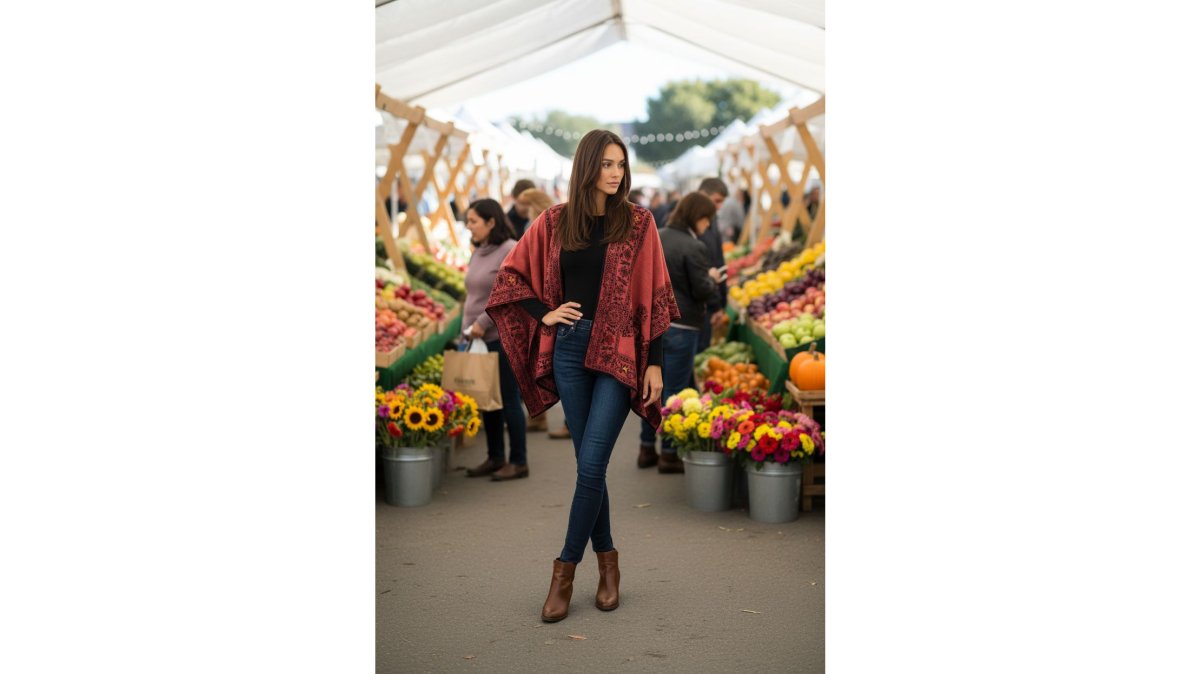
The Premium Classic Solid Alpaca Poncho ($329.95) and Double Face Alpaca Ruana ($339.95) represent the top tier of Purely Alpaca's collection. Both are crafted from 100% baby alpaca, the finest, softest grade available.


The Premium Classic Poncho is designed as an heirloom piece. At 50x70 inches and 18.5 ounces, it delivers serious warmth in a lightweight package. Made in Peru, it will outlast trends and fashion cycles.
The Double Face Ruana offers reversibility, two distinct looks from one piece. At 63 inches long and 50 inches wide, it provides generous coverage for layering or standalone wear.
Both pieces justify their premium pricing through material quality and longevity.
Versatile Mid-Range Options for Everyday Elegance
The Floral Reversible Hand Made Embroidery Alpaca Ruana ($229.95) and Eastwood Alpaca Poncho ($229.95) occupy the middle tier. Both deliver genuine alpaca luxury without the premium price tag.
Accessible Entry Points to Ethical Luxury
The Cape Wrap Solid Alpaca Poncho ($159.95), Incan Grays Alpaca Poncho ($149.95), Six Band Alpaca Poncho ($149.95), Red Bordeaux Alpaca Poncho ($149.95), and Black Grey Diamonds Alpaca Poncho ($149.95) make ethical luxury accessible to budget-conscious buyers.
How to Build a Sustainable Winter Capsule Wardrobe
A sustainable capsule wardrobe prioritizes versatility, durability, and timeless design. The goal is fewer pieces that work together, eliminating the need for constant shopping and reducing textile waste.
Care, Longevity, and Resale Value
How you care for alpaca directly determines how long it lasts and what it's worth on the resale market. Proper maintenance transforms a $200 piece into a decade-long investment.
Longevity math.
Frequently Asked Questions
What makes a luxury fashion brand truly ethical rather than greenwashing?
Genuine ethical luxury brands demonstrate supply chain transparency, publish detailed sustainability reports, and verify claims through independent certifications. Look for specifics: fair wages documented by third parties, traceability of materials from source to finished product, and measurable carbon reduction targets. The Fashion Transparency Index ranks major brands by disclosure standards. Avoid vague claims like 'eco-friendly' without supporting data. Truly ethical brands openly acknowledge their environmental impact and detail concrete steps to reduce it, not just aspirational goals.
Why is alpaca fiber considered a sustainable luxury material?
Alpaca fiber requires minimal chemical processing and produces significantly lower carbon emissions than synthetic alternatives or conventional wool production. Alpacas consume 50% less feed than sheep, graze sustainably on marginal land unsuitable for other crops, and their soft fleece eliminates the need for harsh chemical treatments. The fiber is naturally hypoallergenic, biodegradable, and durable, garments last decades with proper care, reducing waste. Unlike fast fashion, alpaca pieces function as investment items that justify their higher upfront cost through longevity and timeless design.
How do I know if an expensive winter piece will actually last longer than cheaper alternatives?
Check material composition and construction details. Premium pieces use higher percentages of natural fibers, reinforced seams, and quality linings. Alpaca garments with 100% or high-percentage baby alpaca content resist pilling and maintain shape better than blends. Read care instructions carefully, dry-clean-only items often indicate delicate, high-quality construction. Review return policies and warranties; brands confident in durability typically offer extended guarantees. Ask sellers for specific fabric weight, ply count, and whether the piece is handcrafted. Real customer reviews mentioning multi-year wear are more reliable than marketing claims.
What's the difference between building a sustainable wardrobe and just buying expensive items?
A sustainable capsule wardrobe prioritizes versatility, timeless design, and multi-season use. Select neutral base colors that coordinate across pieces, invest in layering items that transition between seasons, and choose styles that won't look dated in two years. Quality matters more than quantity, five well-made pieces you wear repeatedly outperform twenty disposable items. Consider resale value: luxury items in classic styles retain 30-50% of their value on secondary markets, effectively lowering your cost per wear. Focus on garments that solve actual needs rather than impulse purchases, and plan outfits before buying to ensure each piece earns its place.
Can I wash alpaca pieces at home, or do they require expensive dry cleaning?
Many alpaca pieces can be hand-washed with mild detergent in cool water, though always check individual care labels. Some premium items specify dry-clean-only to preserve embroidery or special finishes. Hand-washing typically costs nothing and extends garment life by reducing chemical exposure. Lay flat to dry to prevent stretching. For pieces requiring dry cleaning, factor that cost into your purchase decision, occasional professional care is still more economical than replacing fast-fashion items annually. Proper care practices directly impact resale value, so investing in correct maintenance protects your investment.