




Table of Contents
- Why Moths Target Alpaca and Keratin-Based Fibers
- Natural vs. Chemical Moth Repellents: What the Science Shows
- How to Store Alpaca Sweaters to Prevent Moth Damage
- Top Natural Repellents: Cedarwood, Lavender, and Essential Oils
- Signs of Moth Damage on Wool and Alpaca Garments
- Cleaning Alpaca Clothing Before Storage
- Long-Term Storage Protocols for Year-Round Protection
- Frequently Asked Questions
Last Updated: September 28, 2026
Why Moths Target Alpaca and Keratin-Based Fibers
Alpaca fiber is a keratin-based textile that attracts clothing moths because of its protein-rich composition. Unlike synthetic fabrics, natural fibers like alpaca, wool, and cashmere provide exactly what moth larvae need to thrive: a nutrient-dense food source. The larvae of the common clothing moth (tineola bisselliella) feed exclusively on these protein fibers, making your finest alpaca sweaters and blankets prime targets.
However, alpaca presents a unique vulnerability that most general wool-care guides miss, which is why finding the best natural moth repellent for alpaca clothing requires understanding this fiber's specific needs. Sheep's wool contains lanolin, a natural oil that provides some inherent pest resistance and moisture regulation. Alpaca fiber lacks lanolin entirely. This absence makes alpaca simultaneously more luxurious (softer, hypoallergenic, temperature-regulating without the grease buildup) and more defenseless against moth larvae. Where a wool sweater might resist light moth pressure due to lanolin's protective properties, an alpaca garment offers no such built-in defense. This is why alpaca requires more aggressive preventative storage protocols than standard wool guidance typically recommends.
The reason alpaca is so vulnerable comes down to basic biology. Moth larvae don't just eat fabric; they consume the keratin proteins that give these fibers their strength and warmth. Once an infestation takes hold, damage accelerates quickly. A single female moth can lay hundreds of eggs, and within weeks, you're dealing with widespread textile damage that's difficult to reverse. Because alpaca lacks the lanolin barrier that slows larval feeding in wool, damage progression in alpaca garments tends to be faster and more severe.
This is where prevention becomes critical. Understanding why moths target alpaca specifically, and how alpaca differs from wool in its natural defenses, helps you build a defense strategy that actually works. Understanding why moths target alpaca specifically, and how alpaca differs from wool in its natural defenses, helps you build a defense strategy that actually works.
Natural vs. Chemical Moth Repellents: What the Science Shows
The choice between natural and chemical repellents isn't just about preference, it's about efficacy. According to Consumer Reports' 2026 guidance on moth prevention, natural repellents such as cedar, lavender, cloves, vinegar, and black pepper are not effective for managing active moth infestations. This is a critical distinction that many guides gloss over.
The best natural moth repellent for alpaca clothing works best as a preventative tool for moth-free storage. They create an environment that discourages moths from settling in, but they won't eliminate an existing infestation. If you already have moths, natural options alone will fail to protect your alpaca garments.
Chemical alternatives like naphthalene and paradichlorobenzene are significantly more potent, but they come with trade-offs: strong odors that linger on fabrics, potential respiratory irritation, and the need for careful handling. Many people with sensitive skin or those storing alpaca in bedroom closets find the chemical smell unacceptable.
The practical truth: combine prevention with the right storage method. Use natural repellents as part of a layered defense system, not as your only line of protection. For active infestations, you'll need professional intervention or more aggressive chemical treatment.
How to Store Alpaca Sweaters to Prevent Moth Damage
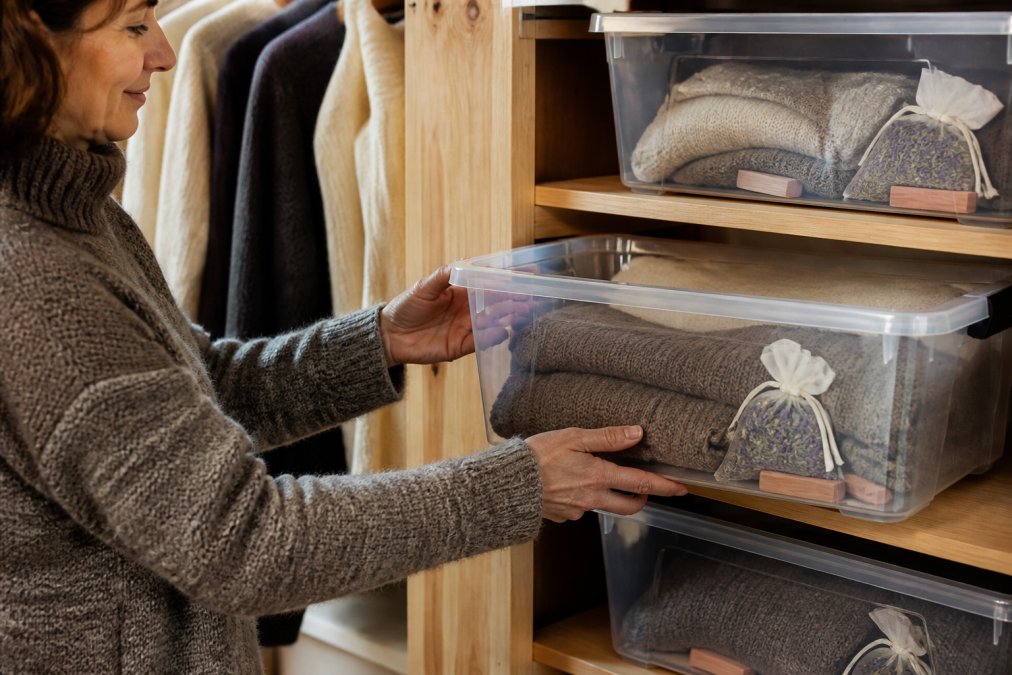
The single most effective storage method for alpaca garments is airtight containment. Vacuum-sealed bags, airtight plastic storage bins, or cedar-lined chests all work because they deny moths access to your fibers. This approach is so effective that it often outperforms any repellent, natural or chemical.
Start by cleaning your alpaca pieces thoroughly before storage, this removes any food particles or body oils that might attract moths. Then place garments in breathable cotton storage bags or acid-free tissue paper inside airtight containers. The breathability matters because alpaca fiber needs air circulation to maintain its integrity during long-term storage.
Temperature control adds another layer of protection. Moths thrive in warm environments (65-75°F), so storing alpaca in a cool closet, basement, or climate-controlled attic reduces pest pressure significantly. Some people use the freezing method: placing garments in a freezer for 48 hours kills any larvae present, though this requires careful thawing to prevent moisture damage.
For seasonal storage lasting months, combine airtight containers with cedar blocks or lavender sachets. The sealed environment does most of the work; the repellent acts as backup insurance. Check stored items every 3-4 months for early signs of damage or pest activity.
Top Natural Repellents: Cedarwood, Lavender, and Essential Oils
Cedarwood remains the most popular natural moth deterrent, though its effectiveness diminishes over time. Cedarwood oil releases compounds that moths find unpleasant, but the scent fades within 6-12 months, requiring replacement or refreshing. Cedar blocks work better than cedar chips because they release oils more slowly and last longer.
Lavender sachets offer a gentler alternative with a pleasant fragrance that doesn't fade as quickly from clothing. Many people prefer lavender because it won't overpower delicate alpaca pieces the way strong cedar can. Research from The Butler's Closet lifestyle resource documents DIY methods using dried lavender mixed with other herbs for extended protection.
Essential oils (lavender, cedarwood, eucalyptus, and peppermint) work best when applied to cotton balls or small pouches placed near, not directly on, alpaca garments. Direct application can leave oil stains. Essential oils evaporate faster than solid cedar, so they require more frequent replacement.
A practical approach combines these three: place cedar blocks in the bottom of storage containers, add lavender sachets to the sides, and refresh essential oil-soaked cotton balls every 2-3 months. This layered method extends the effectiveness of each repellent while providing backup protection if one method weakens.
Signs of Moth Damage on Wool and Alpaca Garments
Early detection prevents catastrophic loss. The first sign of a moth problem is usually small, irregular holes in your alpaca pieces, often found in seams, underarms, or areas where the fabric was folded during storage. These holes appear suddenly and spread quickly once larvae establish themselves.
Look for webbing or silken tunnels on the surface of garments, which indicate larval activity. You might also notice a musty odor around stored items, which signals both pest activity and potential mold growth in humid storage conditions. Live moths or pupae cases near your storage area are obvious red flags.
Moth damage differs from wear damage: moth holes are small and scattered, while wear creates fraying along edges or stress points. Alpaca is durable, so if you see unexpected holes in the middle of a sweater, moths are almost certainly responsible.
If you spot damage, isolate affected garments immediately and inspect surrounding pieces. Wash everything in cool water with gentle detergent, then freeze for 48 hours to kill any remaining larvae before returning to storage.
Cleaning Alpaca Clothing Before Storage
Proper cleaning removes the food sources that attract moths and extends the life of your alpaca pieces. Use cool water (never hot) and a gentle wool-specific detergent, harsh chemicals damage the delicate protein structure of alpaca fiber. Hand washing is ideal, though many modern alpaca garments tolerate gentle machine cycles on the wool or delicate setting.
Soak garments for 10-15 minutes rather than agitating them.
Long-Term Storage Protocols for Year-Round Protection
Year-round protection requires a systematic approach that combines multiple strategies grounded in pest biology and fiber science. Start with the foundation: clean all alpaca pieces before storage, inspect them for existing damage, and ensure they're completely dry. This single step prevents 80% of storage problems because it removes the food sources (body oils, food particles, sweat residue) that attract moths and the moisture that enables mold growth.
Temperature and Humidity Control
Airtight Container Selection and Sealing
Freezing Protocol for Maximum Assurance
Layered Repellent Placement
Quarterly Inspection and Maintenance Schedule
Professional Storage for High-Value Collections
Documentation and Inventory
Frequently Asked Questions
What is the best natural moth repellent for alpaca clothing?
Cedarwood, lavender, and essential oils like eucalyptus are the most popular natural options. However, Consumer Reports explicitly advises that natural repellents such as cedar, lavender, cloves, vinegar, and black pepper are not effective for managing active moth infestations. They work best as preventative measures for stored alpaca garments when combined with proper airtight storage and regular inspection. For active infestations, professional treatment may be necessary.
How should I store alpaca sweaters to prevent moth damage?
Store alpaca sweaters in airtight containers or vacuum-sealed bags in a cool, dry location. Clean garments thoroughly before storage, as moths are attracted to body oils and food residue. Include natural repellents like cedarwood blocks or lavender sachets inside sealed storage. Inspect stored items every 3-4 weeks for signs of moths or larvae. Keep storage areas free of dust and debris, which can harbor eggs.
What are the signs of moth damage on wool and alpaca clothing?
Look for small holes or bare patches in the fabric, typically in inconspicuous areas like underarms or seams. You may also notice webbing or silken tunnels on the garment surface, small dark droppings, or a musty smell. Moth larvae cause the actual damage as they feed on the keratin in alpaca fibers. Early detection is critical, inspect stored garments regularly and isolate any affected items immediately to prevent spread to other pieces.
Can I use essential oils to protect alpaca clothing from moths?
Essential oil-based sprays using lavender, cedarwood, or eucalyptus are popular DIY preventative methods. Mix a few drops with water and lightly spray folded garments or storage containers before sealing. While these oils have pleasant scents and may deter moths temporarily, they are not reliable for active infestations. Use them as part of a multi-layered approach that includes airtight storage, regular cleaning, and frequent inspection rather than as a standalone solution.