



Table of Contents
- The Real Cost of Warmth: Why Alpaca Sweaters Command Premium Prices
- Superior Warmth-to-Weight Ratio and Thermal Performance
- Hypoallergenic Properties and Sensitive Skin Benefits
- Durability, Pilling Resistance, and Longevity
- Alpaca Wool vs Merino vs Cashmere: What You're Actually Paying For
- Cost-Per-Wear Analysis: The Long-Term Investment Case
- How to Care for Alpaca Sweaters to Maximize Your Investment
- Ethical Sourcing and Sustainable Value
Last Updated: August 6, 2026
The Real Cost of Warmth: Why Alpaca Sweaters Command Premium Prices
Alpaca sweaters carry premium price tags, often two to four times the cost of acrylic or merino alternatives. But the real question isn't whether alpaca is expensive; it's whether the cost delivers value that justifies the investment. At Purely Alpaca, we've spent over two decades helping customers understand this distinction. Alpaca sweaters are worth the price because they deliver measurable advantages in warmth, durability, comfort, and longevity that cheaper alternatives cannot match. This isn't marketing, it's physics, material science, and real-world performance data.
Below, we'll walk you through exactly what makes alpaca fiber command premium pricing, how to calculate whether that investment makes sense for your situation, and how to protect your purchase through proper care.
Superior Warmth-to-Weight Ratio and Thermal Performance
Alpaca fiber's defining characteristic is its thermal insulation capability relative to its minimal weight. Alpaca is warmer than merino wool, cashmere, and most synthetic alternatives without the bulk.
Alpaca fiber contains tiny air pockets throughout its length that trap body heat efficiently while remaining breathable, moisture escapes rather than getting trapped against your skin. This combination of insulation and breathability is rare. Most materials force you to choose: either they're warm but make you sweat, or they're breathable but don't keep you adequately warm.
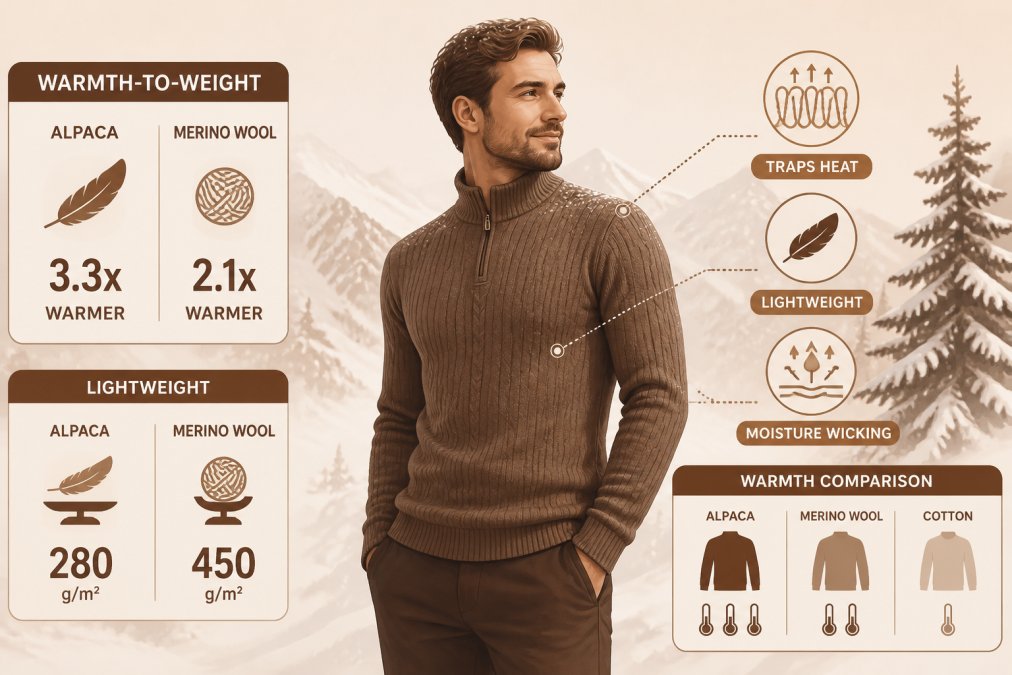
You can wear an alpaca sweater that weighs less than a cotton t-shirt and stay warmer than you would in a heavy wool sweater. For outdoor enthusiasts, travelers heading to extreme cold climates, and anyone who doesn't want to feel bulky under their jacket, this warmth-to-weight ratio is transformative. You're not sacrificing mobility or comfort for warmth, you're getting both.
This thermal conductivity advantage is why alpaca performs so well for active use. Hikers, skiers, and mountaineers benefit from the insulation they need in a package light enough to wear under technical outerwear without creating bulk.
Hypoallergenic Properties and Sensitive Skin Benefits
One of the most overlooked advantages of alpaca is its hypoallergenic profile. If you've had itching or irritation from wool products, alpaca offers a genuine alternative based on its chemical composition.
Traditional sheep's wool contains lanolin, a waxy substance that commonly triggers reactions in people with sensitive skin. Alpaca fiber is naturally lanolin-free. Beyond this, alpaca fiber is smoother with less surface friction than sheep's wool. Sheep's wool has microscopic scales that can feel scratchy and irritate sensitive skin, this is why some people describe wool as "itchy."
For individuals with eczema, sensitive skin conditions, or a history of wool reactions, this distinction matters enormously. You can wear alpaca directly against your skin without the itch or irritation that would force you to layer a cotton undershirt beneath traditional wool. That means better comfort, better thermal performance, and the ability to actually enjoy the sweater you invested in.
Durability, Pilling Resistance, and Longevity
This is where the cost-per-wear calculation shifts dramatically in alpaca's favor. A quality alpaca sweater doesn't just feel better; it lasts longer and maintains its appearance better than alternatives.
Pilling, when loose fibers ball up on the garment surface, is the enemy of sweater longevity. Merino wool pills. Cashmere pills. Even high-end synthetics pill. Alpaca resists pilling because of its fiber structure and elasticity. Alpaca fiber has superior tensile strength, meaning individual fibers are stronger and more resistant to breaking. The fiber also has natural elasticity that allows it to return to shape after wear and washing.
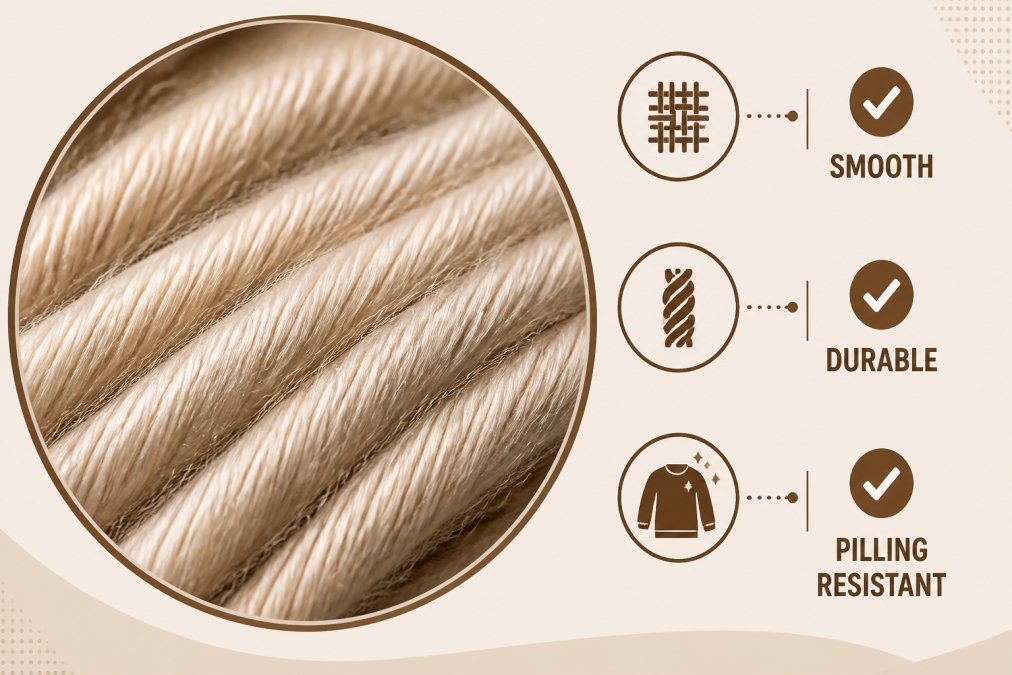
A sweater you wear regularly for five years without noticeable pilling is fundamentally different from one that shows visible wear after two seasons. The garment maintains its appearance, which means you keep wearing it rather than relegating it to the back of the closet.
Alpaca Wool vs Merino vs Cashmere: What You're Actually Paying For
When evaluating why alpaca sweaters are worth the price, the comparison to other premium fibers reveals exactly what you're paying for.
| Characteristic | Alpaca | Merino Wool | Cashmere |
|---|---|---|---|
| Warmth-to-Weight | Superior | Very Good | Excellent |
| Hypoallergenic | Yes (lanolin-free) | No (contains lanolin) | No (contains lanolin) |
| Pilling Resistance | Excellent | Moderate | Moderate to Poor |
| Moisture-Wicking | Excellent | Very Good | Good |
| Durability | 5-10 years typical | 3-5 years typical | 2-4 years typical |
| Breathability | Excellent | Very Good | Good |
| Price Range | Moderate-Premium | Moderate | Premium-Luxury |
| Care Requirements | Gentle washing | Gentle washing | Dry cleaning often needed |
Merino wool is excellent and costs less than alpaca, but it contains lanolin and pills more readily. Cashmere is luxurious but fragile, pills easily, and often requires professional dry cleaning. A cashmere sweater might feel more luxurious initially, but it degrades faster and demands more maintenance investment.
Alpaca sits in the sweet spot: superior performance to merino in durability and hypoallergenic properties, combined with lower maintenance demands and longer usable life than cashmere. For most people, this makes alpaca the better value proposition.
Cost-Per-Wear Analysis: The Long-Term Investment Case
Most people evaluate sweater purchases by looking at the price tag. Smart shoppers evaluate by cost-per-wear: divide the sweater's price by the number of times you'll actually wear it.
An alpaca sweater that costs more upfront but lasts 5-7 years with regular wear becomes dramatically cheaper on a per-wear basis than a cheaper synthetic that pilled after 18 months.
Assume you wear a sweater 80 times per year (roughly twice per week during winter and shoulder seasons):
- A basic acrylic sweater ($30): Wears out after 1-2 years = 80-160 total wears = $0.19-$0.38 per wear
- A quality merino sweater ($120): Lasts 3-4 years = 240-320 total wears = $0.38-$0.50 per wear
- A premium alpaca sweater: Lasts 5-7 years = 400-560 total wears = significantly lower cost-per-wear after year three
The calculation shifts even more favorably for alpaca when you factor in replacement frequency. Buying one alpaca sweater that lasts 6 years means you're not buying 3-4 replacement sweaters. Additionally, alpaca's resistance to pilling means the sweater remains visually appealing throughout its lifespan.
How to Care for Alpaca Sweaters to Maximize Your Investment
The durability advantages of alpaca only materialize if you care for the garment properly. The good news is that alpaca doesn't require the fussy maintenance that cashmere demands.
Washing: Hand wash in cool water with a gentle detergent designed for delicate fibers. Submerge the sweater and gently agitate for 5-10 minutes rather than scrubbing. Rinse thoroughly in cool water until the water runs clear. Machine washing is possible on a delicate cycle with cold water and gentle detergent, though hand washing extends garment life further. Never use regular laundry detergent.
Drying: Gently squeeze out excess water, then lay flat on a clean towel to dry. You can also roll the sweater in a towel to remove moisture, then unroll and lay flat. Avoid direct heat sources and direct sunlight.
Storage: Store folded rather than hanging, which can cause stretching. Use cedar blocks or lavender sachets to deter moths. Ensure the storage area is dry and cool.
Pilling management: If light pilling occurs, use a soft brush or specialized sweater comb to gently remove pills. Most pilling on quality alpaca occurs only in the first few wears and naturally diminishes.
Spot cleaning: For small stains, spot clean immediately with cool water and a gentle detergent. Dab gently rather than rubbing aggressively.
The key principle is gentleness. Alpaca fiber is strong, but treat it with respect and it will reward you with years of performance.
Ethical Sourcing and Sustainable Value
An often-overlooked dimension of alpaca's value is sustainability and ethical sourcing. Alpaca farming is significantly less resource-intensive than sheep farming or synthetic fiber production. Alpacas require less feed, produce less waste, and have a smaller environmental footprint than most livestock. They're raised primarily in small herds on family farms, particularly in South America, where farming practices tend to be more sustainable and ethical than industrial-scale operations.
Synthetic fibers require petroleum extraction and energy-intensive manufacturing, and shed microplastics in the wash. Cashmere farming often involves practices that can damage fragile ecosystems.
Alpaca is biodegradable. When an alpaca sweater reaches the end of its life, it returns to the earth rather than persisting in landfills for decades. For environmentally conscious consumers, this alignment between values and purchasing decisions adds genuine value beyond tangible performance metrics.
The question of whether alpaca sweaters are worth the price depends on your priorities and usage patterns. But the evidence is compelling: when you calculate cost-per-wear, account for durability and longevity, factor in hypoallergenic benefits for sensitive skin, and consider environmental impact, alpaca delivers measurable value that justifies the premium.
The premium price reflects premium material properties, superior performance, and genuine longevity advantages. You're not paying for marketing, you're paying for a sweater that will keep you warm, comfortable, and looking good for years.
At Purely Alpaca, we've been helping customers make this investment for over two decades. Our commitment to quality, our hassle-free returns policy, and our free shipping on orders over $100 are designed to make that investment risk-free. Shop all our alpaca sweaters and discover the difference that genuine quality makes.
Frequently Asked Questions
Is alpaca wool really hypoallergenic for sensitive skin?
Yes. Alpaca fiber lacks lanolin, the natural oil in sheep wool that triggers allergic reactions and itching. Alpaca's smooth fiber structure and lower micron count (typically 20-25 microns) mean it doesn't irritate sensitive skin the way coarser wool does. Many customers with eczema and wool allergies report alpaca sweaters feel comfortable against their skin without the itching they experience with merino or traditional wool.
How does the cost-per-wear of alpaca sweaters compare to cheaper alternatives?
An alpaca sweater worn 100+ times per year over 7-10 years costs significantly less per wear than a cheaper sweater that pills, loses shape, or falls apart after 2-3 seasons. Premium alpaca has excellent fiber elasticity and durability, meaning it maintains its appearance and warmth far longer. When you divide the initial cost by the actual years of use, alpaca's price premium shrinks dramatically compared to fast-fashion alternatives that require frequent replacement.
What makes alpaca wool vs merino vs cashmere different, and why does alpaca offer better value?
Alpaca offers superior warmth-to-weight compared to merino, making it ideal for layering without bulk. Cashmere is softer but far more expensive, less durable, and requires frequent dry cleaning. Alpaca delivers luxury hand-feel and thermal insulation at a lower price point than cashmere, with better moisture-wicking than merino and greater pilling resistance than both. For outdoor enthusiasts and travelers facing extreme cold, alpaca provides the best balance of performance, durability, and cost.
How do I care for alpaca sweaters to ensure they last and justify the investment?
Hand wash in cool water with gentle detergent, or use a delicate machine cycle. Lay flat to dry, never hang or use heat. Avoid dry cleaning unless necessary, as it can damage fibers. Store in breathable cotton bags away from direct sunlight. Proper care preserves the fiber's natural structure and elasticity, preventing pilling and maintaining warmth for years. Most customers find alpaca sweaters require less fussy maintenance than cashmere while delivering superior longevity compared to merino or wool blends.
This article was written using GrandRanker