


Table of Contents
- Why Alpaca Sweaters Are Worth It: The Case for Natural Fiber Investment
- Alpaca vs Merino Wool: Performance and Value Comparison
- Is Alpaca Wool Itchy? What Makes It Different from Sheep Wool
- Alpaca Wool Care Instructions: Protecting Your Investment
Last Updated: August 12, 2026
Why Alpaca Sweaters Are Worth It: The Case for Natural Fiber Investment
Alpaca fiber has been prized for centuries. When evaluating why alpaca sweaters are worth it, you're asking whether a premium natural fiber delivers enough performance to justify the investment over mass-market alternatives. For most people seeking genuine warmth, comfort, and longevity, alpaca delivers on all fronts.
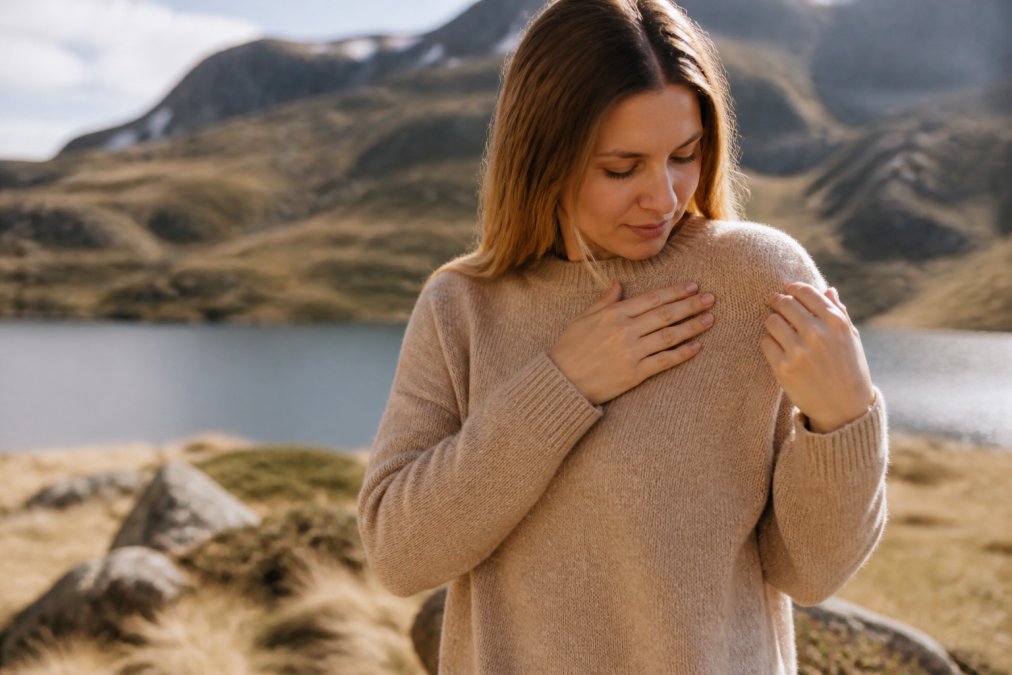
Alpaca wool is fundamentally different from sheep wool. It's lighter, softer, and naturally hypoallergenic, qualities that matter if you've had itchy sweaters in the past. Unlike synthetic fibers that trap moisture and lose their shape, alpaca maintains its structure through seasons of wear. At Purely Alpaca, we've worked with customers since 2002 who returned to alpaca specifically because nothing else matched the combination of warmth without bulk.

The performance advantage shows up in three ways: thermal regulation that adapts to your body temperature, moisture-wicking that keeps you dry during activity, and durability that means your investment lasts years, not seasons. A quality alpaca sweater won't pill, won't lose its softness in the wash, and won't develop that musty smell that synthetic blends pick up.
Alpaca vs Merino Wool: Performance and Value Comparison
Both alpaca and merino wool are natural fibers with excellent thermal properties, but they're built differently. Merino wool has finer fiber diameter than regular sheep wool, making it softer and less itchy. Alpaca fiber is typically even finer and lacks the lanolin that gives sheep wool its characteristic smell and itchy sensation.
The real difference comes down to weight and breathability. Merino is slightly warmer per ounce, making it popular for athletic layering. Alpaca is lighter overall, delivering serious warmth without bulk. For intense outdoor activity where you need maximum insulation in minimal space, merino has a slight edge. For everyday wear and travel, alpaca wins.
Durability tells a clearer story. Alpaca fiber has higher tensile strength, resisting pilling and maintaining its structure longer. Merino sweaters can pill after a season or two of regular wear. Alpaca holds up to years of washing and wearing without degrading. Since you're paying premium prices, alpaca's longevity delivers better value.
| Characteristic | Alpaca | Merino Wool |
|---|---|---|
| Fiber Fineness | 15-25 microns | 17-24 microns |
| Weight | Lighter | Slightly heavier |
| Pilling Resistance | Excellent | Moderate |
| Thermal Regulation | Excellent | Excellent |
| Moisture-Wicking | Strong | Strong |
| Hypoallergenic | Yes | Somewhat |
| Durability (years) | 5-10+ | 3-5 |
Quality merino sweaters start around the same price as alpaca, but alpaca's superior durability means lower cost per wear over time. A sweater that lasts twice as long at similar price is the better financial decision.
Is Alpaca Wool Itchy? What Makes It Different from Sheep Wool
This is the question that stops most people from trying alpaca: won't it be itchy like regular wool? The answer is almost certainly no.
Sheep wool itchiness comes from two sources: fiber diameter and lanolin. Standard sheep wool has coarse fibers (25-40 microns) that irritate sensitive skin. Alpaca fiber is much finer (15-25 microns), comparable to cashmere. More importantly, alpaca produces minimal lanolin, the natural oil that gives sheep wool its distinctive smell and waxy feel that triggers itching in people with sensitive skin.
If you've had eczema or dermatitis triggered by wool sweaters, alpaca is worth testing. Many people with sensitive skin find that alpaca causes no irritation whatsoever. The fiber is naturally hypoallergenic, resisting dust mites and allergens that synthetic materials harbor.
The softness you feel when you touch alpaca is real. Finer fibers feel softer against your skin. Alpaca's fineness, combined with the absence of lanolin, creates a sweater that feels luxurious without any scratch or irritation.
Alpaca Wool Care Instructions: Protecting Your Investment
Hand-washing is the safest approach for premium alpaca sweaters. Fill a basin with cool water (around 65-70°F), add mild detergent designed for delicate fibers, and submerge your sweater. Let it soak for 10-15 minutes without agitation. Gently squeeze soapy water through the fabric, don't wring or twist. Rinse thoroughly in cool water until soap is gone.

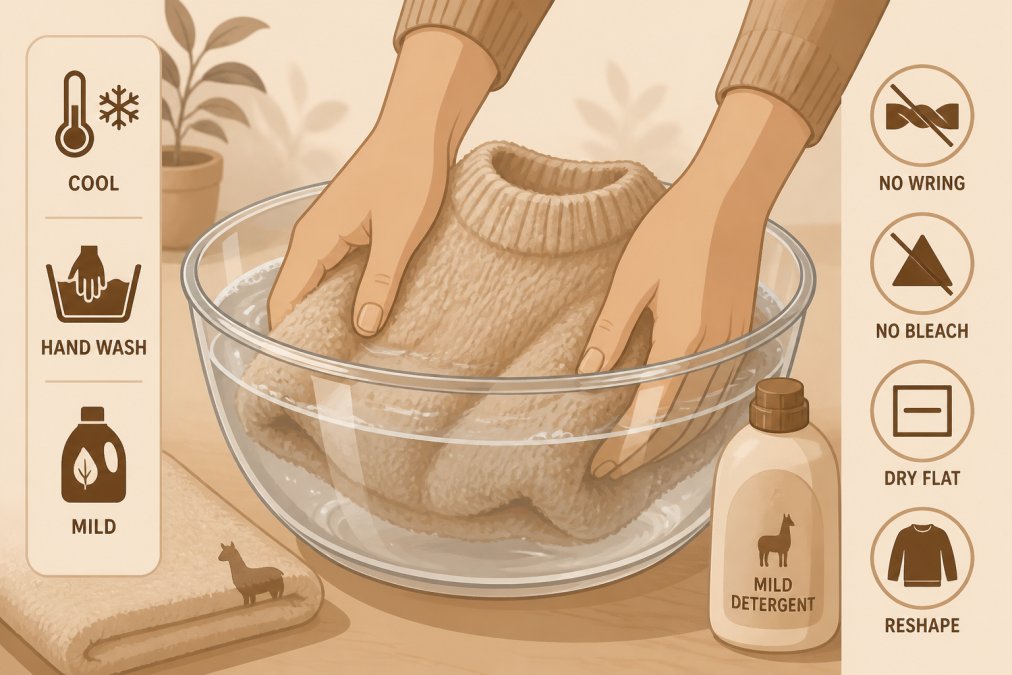
Drying is where most damage happens. Never hang alpaca to dry; the weight of water will stretch it out of shape. Instead, lay it flat on a clean towel, gently squeeze out excess water, and reshape it to its original dimensions. Let it air dry completely, which typically takes 24-48 hours.
Machine washing is possible if your sweater is labeled machine-washable, but hand-washing takes only 10 minutes and guarantees better results. Use wool-specific detergent, not standard laundry detergent, which is too harsh.
Keep alpaca sweaters folded in a drawer or on a shelf, not hanging. Hanging stretches the shoulders and neckline over time. Cedar blocks or lavender sachets naturally repel moths. If your sweater develops pilling, use a fabric comb or sweater stone to gently remove pills.
The Ebel Alpaca Sweater from Purely Alpaca exemplifies this care approach, it's designed to last years with proper maintenance, which is why the upfront investment pays off.
Alpaca sweaters represent a genuine investment in quality, comfort, and longevity. The fiber's natural properties, thermal regulation, moisture management, hypoallergenic softness, and durability, justify the higher price when compared to synthetic alternatives or standard wool. For people with sensitive skin, travelers seeking lightweight warmth, or anyone tired of replacing sweaters every season, alpaca delivers measurable value. Purely Alpaca's curated selection, backed by two decades of expertise in natural fiber products, makes it straightforward to find pieces that match your needs. Shop all and discover why alpaca has remained a preferred choice since our founding in 2002.
Frequently Asked Questions
Are alpaca sweaters worth the higher price compared to regular wool?
Yes. Alpaca sweaters cost more upfront but deliver better long-term value. They regulate temperature more effectively than merino wool, resist odors naturally, and resist pilling better than sheep's wool. The Ebel Alpaca Sweater at $139.95 or the Lattice Cable Mock Sweater at $230 will outlast cheaper alternatives by years when cared for properly, making the per-wear cost lower over time.
Is alpaca wool itchy like regular sheep's wool?
No. Alpaca fiber has a smaller diameter than sheep's wool, making it naturally softer and less irritating to sensitive skin. Unlike traditional wool, alpaca is hypoallergenic and lanolin-free, so it won't trigger the itchiness many people experience with sheep wool. People with eczema or sensitive skin often find alpaca comfortable against their skin.
How do you care for alpaca sweaters to keep them lasting?
Hand wash in cool water with mild detergent, never hot water or the washing machine. Lay flat to dry instead of using a dryer. Avoid wringing or twisting. Store in a breathable container away from moths. These simple steps prevent pilling, shrinkage, and fiber damage. Most alpaca sweaters need washing only 2-3 times per season, reducing wear from frequent laundering.
How does alpaca compare to merino wool for warmth and moisture management?
Alpaca provides superior thermal regulation and warmth without the bulk. It's lighter and more breathable than merino wool while trapping heat more effectively. Alpaca also wicks moisture better and resists odors naturally, making it ideal for active wear and travel. Its natural fiber strength means it won't pill or degrade like merino after repeated wear.
This article was written using GrandRanker