



Last Updated: November 3, 2026
Quick Summary
Choose organic cotton clothing with a simple, open weave, 100% or high-cotton fiber content, and a certification such as GOTS that covers the supply chain. Prefer flat-lock seams, tagless designs and soft, non-tight edges. Start with a few pieces and watch how your skin responds.
- Pick 100% organic cotton or a blend with a high cotton share, and avoid polyester or spandex.
- Choose lightweight, open weaves such as jersey or muslin, since dense weaves can trap heat.
- Look for GOTS certification to confirm the label's organic claims.
- Choose flat-lock seams and tagless designs to reduce friction and itching.
- Start with two or three basics, wear them for a few days and note how your skin feels.
Table of Contents
Eczema makes every thread count. When your skin is already inflamed, a rough seam or a scratchy dye can turn a normal day into a flare-up. The fabric you choose is the first decision that matters.
Organic cotton clothing is a strong starting point for many people with eczema. Its fibers are soft and breathable. But "organic" alone does not guarantee comfort. The way the cotton is spun, woven, dyed and finished can change how it feels on your skin. This guide shows you how to choose organic cotton clothing for eczema with confidence. Our guide on how to tell whether a fabric is truly gentle on sensitive skin walks you through the signs to check.
Quick answer: Look for organic cotton with a simple weave, a certification that covers the whole supply chain, soft flat seams and low-impact dyes. Start with a few pieces and watch how your skin responds.
Fabrics to Avoid With Eczema
Some materials are more likely to irritate sensitive skin. If you want alternatives, see these breathable, moisture-wicking natural fabrics for eczema-prone skin. Synthetic fibers such as polyester and nylon trap heat and moisture, which many people find uncomfortable during a flare. Read why synthetic fabrics cause skin irritation to understand the reasons behind this. Stiff finishes, heavy formaldehyde-based wrinkle treatments and some harsh dyes can also set off itching in sensitive people.
Tight elastic waistbands and thick, scratchy tags can add friction too.
- Polyester and nylon blends that hold heat
- Stiff, heavily finished fabrics
- Scratchy wool fibers for some people
- Thick tags and rough, raised seams
- Tight elastic that rubs the skin
Step 1: Check the Fiber Content and Weave
Start with the label. Choose pieces that list 100% organic cotton, or a blend with a high cotton share. Check the fiber content for polyester or spandex, since even small amounts can make a fabric less breathable.
Next, look at the weave. A lightweight, open weave such as jersey or muslin tends to breathe well. Dense, tightly packed weaves can trap heat. Feel the fabric against the back of your hand. It should feel soft and smooth, not stiff or scratchy.
Step 2: Read Certification Labels Carefully
Certifications help you confirm what the label claims. GOTS, the Global Organic Textile Standard, is one label to look for.
What GOTS Certification Covers
Step 3: Look at Seams, Tags and Construction
Alpaca Love No-Show Cotton Socks →
Construction matters as much as fiber. Flat-lock seams lie smooth against the skin and reduce rubbing. Thick, raised seams can cause friction that irritates eczema. Tagless or printed-tag designs remove one common source of itching.
Check the cuffs, neckline and waistband too. Soft, stretchy edges without tight elastic often feel more comfortable on long days.
Step 4: Pick Finishes, Dyes and Fit for Layering
Loose fits make layering easier. A breathable cotton base layer under a soft outer layer lets you adjust warmth without overheating. Avoid tight layers that press on flare-prone areas.
Caring for Organic Cotton So It Stays Gentle
Washing affects how soft your clothing stays. Follow the care instructions on each product's label.
Start With a Few Pieces and Test Your Skin
Try a small set first, such as two or three basics. Wear them for a few days and note how your skin feels. If you are comfortable, add more pieces over time.
For a gentle start, consider our Alpaca Love No-Show Cotton Socks ($12.95), made from 76% cotton (not alpaca) with a stretchy fit for most women. Their care is normal laundry wash and dry. You can also try the Alpaca Love Ankle Height Cotton Socks ($12.95) for a taller cut.
Explore more ideas for sensitive skin in our full range and find pieces that suit your routine.
Frequently Asked Questions
What is the best clothing material for people with eczema?
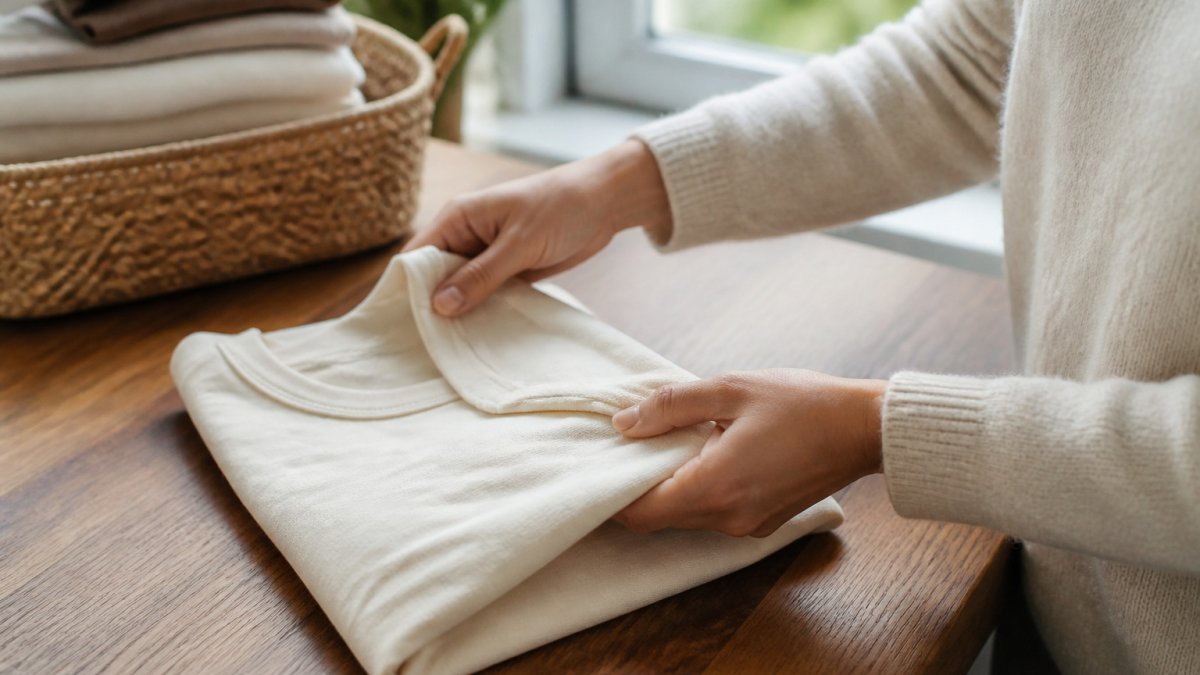
For most people with eczema, soft, breathable natural fibers in a loose weave work best. Look at the fiber, the finish and the fit together. Look at the fiber, the finish and the fit together, and test new pieces on a small patch of skin before wearing them all day.
Is 100% cotton good for eczema?
100% cotton is often a good starting point because it is breathable and absorbs moisture.
What certifications should I look for in organic cotton clothing?
The Global Organic Textile Standard (GOTS) is one label to look for when comparing organic cotton clothing.
Why should you avoid synthetic fabrics if you have eczema?
Choosing natural fibers that breathe more freely, and wearing looser layers, helps keep skin cooler and drier throughout the day.
