


Quick Summary
The best moisture wicking fabrics for eczema-prone skin are soft natural fibers such as alpaca, cotton and bamboo, worn loose with flat seams and no scratchy labels. Fiber type alone doesn't guarantee comfort, so judge each fabric by texture, construction and how your skin responds over several days.
- Judge a fabric by fiber content, surface texture and construction, not by the fiber name alone.
- Rub the fabric on the inside of your wrist to check for scratchy or rough surfaces.
- Choose cotton for everyday wear and gentle sleep, and consider bamboo blends for a smoother surface.
- Look for flatlock or covered seams and cut out scratchy labels at the neck and waistband.
- Wear new fabric for a short period first and check your skin before expanding your wardrobe.
Table of Contents
- Why Fabric Choice Matters for Eczema-Prone Skin
- How to Judge a Moisture-Wicking Fabric for Eczema
- Best Fabrics for Eczema: Alpaca, Cotton, Bamboo and More
- Cotton vs Bamboo for Eczema: Which Breathes and Wicks Better
- Best Workout Clothes for Eczema and Sensitive Skin
- Fabrics to Avoid with Eczema
- Caring for Eczema-Friendly Fabrics and Choosing Your First Pair
- Frequently Asked Questions
Why Fabric Choice Matters for Eczema-Prone Skin
Clothing rubs against skin for hours every day, so choosing the right moisture wicking fabrics is one of the few eczema variables you control completely. Fabric won't cure atopic dermatitis, but the wrong material can add friction, trap sweat and irritate skin that is already reactive. Purely Alpaca has worked with natural fibers since 2002, and the right base layer can make a real difference to how a day feels on sensitive skin.
Research supports the link between clothing and flares. An evidence-based review of fabric selection in atopic dermatitis reports that newer synthetic fabrics combine antimicrobial, anti-inflammatory, moisture-wicking and soothing properties that may support conventional eczema care. The review does not measure outcomes precisely, so treat it as a direction rather than a guarantee.
Individual reactions vary. A fabric that suits one person can still irritate another, which is why this guide focuses on how to judge materials and how to test them safely.
How to Judge a Moisture-Wicking Fabric for Eczema
Moisture wicking fabrics sound like exactly what eczema-prone skin needs, but the label alone doesn't tell you much. Wicking performance should never be the only test.
Check these points before you buy:
- Fiber content: Look for natural fibers and read the full blend.
- Texture against skin: Rub the fabric on the inside of your wrist. Rough or scratchy surfaces add friction, and friction is a common flare trigger.
- Construction: A loose knit or flat seam often sits more comfortably than a dense, heavily stitched panel.
- Your own response: Wear new fabric for a short period first, then check the skin.
If you want a deeper look at breathable natural fibers for flare-prone skin, read our guide to breathable natural fibers for eczema flare-ups.
Best Fabrics for Eczema: Alpaca, Cotton, Bamboo and More
A list of fiber names only helps if you understand what each fiber actually is and how it behaves against reactive skin. The single most useful distinction, one most fabric roundups skip, is between true natural fibers and regenerated cellulosic fibers. Alpaca, cotton, silk and wool grow as fibers and are cleaned and spun. Bamboo viscose, lyocell and modal are manufactured: cellulose is dissolved and extruded into new fibers, so their softness and performance depend on the process, not just the plant they came from. That difference explains why "bamboo" shirts vary so much and why "natural" on a label is not a performance guarantee.
Here are the materials that show up most often, with honest pros, cons and the mechanism behind each.
- Alpaca: Warm and soft. Pros: warmth without bulk in our Baby Alpaca socks. Cons: higher price, and blends with nylon behave differently from pure fiber. Choose an option whose fiber content you can check.
The table below sums up the main materials covered in this section, so you can compare them at a glance.
| Fabric | Type | Key point |
|---|---|---|
| Alpaca | True natural fiber | Warm and soft, higher price |
| Cotton | Natural fiber | Choose for everyday wear and gentle sleep |
| Bamboo viscose | Regenerated cellulose | Performance depends on the manufacturing process |
| Lyocell | Regenerated cellulose | Manufactured from dissolved cellulose |
| Modal | Regenerated cellulose | Manufactured from dissolved cellulose |
Cotton vs Bamboo for Eczema: Which Breathes and Wicks Better
In practice, choose cotton for everyday wear and gentle sleep, and consider bamboo blends when you want a smoother surface. If you sweat heavily, look for a fabric that moves moisture away from the skin rather than absorbing it. Remember that search results on this comparison do not establish a clear winner for every person, so test both against your own skin.
Best Workout Clothes for Eczema and Sensitive Skin
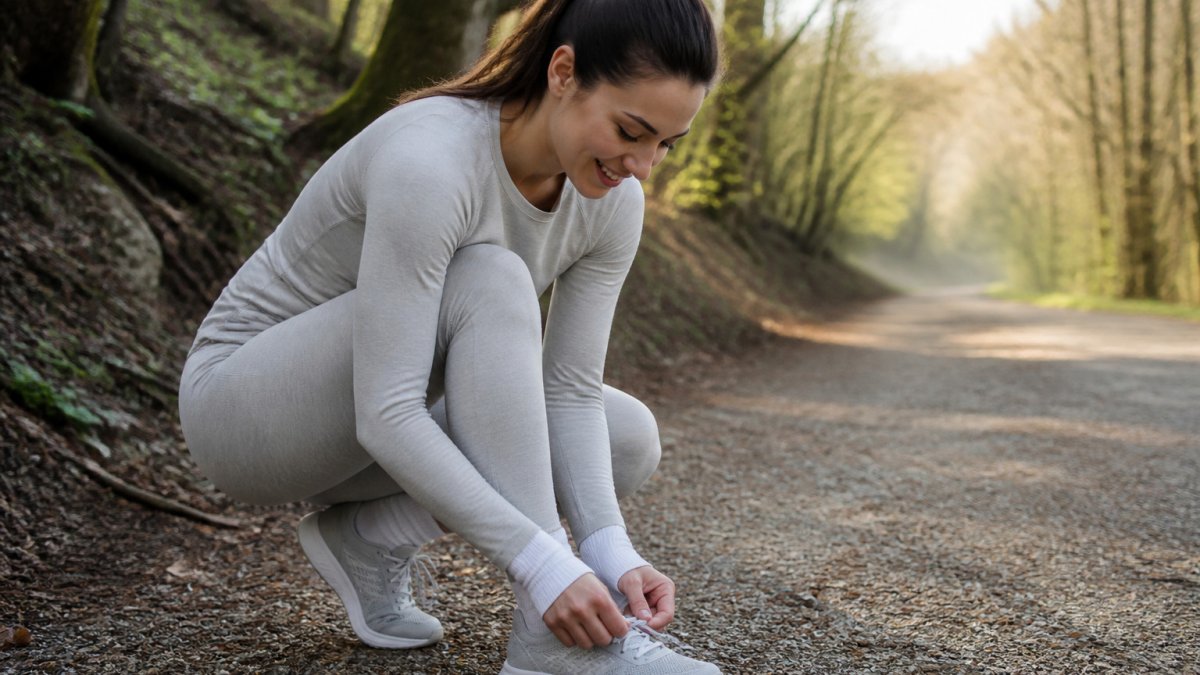
Exercise adds sweat, friction and heat, which makes activewear harder for eczema-prone skin. The mistake most guides make is treating "moisture-wicking" as one universal property. In real conditions, fabrics behave very differently depending on how much you sweat, how humid it is, and how long the garment stays on.
Sports Ankle Active Alpaca Socks →
Practical rules for activewear:
- Choose looser cuts and avoid tight seams at the waist, cuffs and under the arms.
- Look for flatlock or covered seams where fabric meets skin.
- Cut out or cover scratchy labels at the neck and waistband.
- Change out of sweaty clothes promptly and wash them soon after use.
- Patch-test any synthetic blend before a long workout.
For socks, the Sport Mid-Crew Active Alpaca Socks are made from 60% baby alpaca, 38% nylon and 2% elastane, and they carry arch support and extra padding in the toe and heel. They retail for $22.95. If you want a lower ankle height, the Sports Ankle Active Alpaca Socks are $21.95 with the same fiber blend.
Pros of the active range: warmth without bulk, and padding in the toe, heel and sole. Cons: the nylon content means these are not pure natural fiber, so patch-test if your skin reacts to synthetics.
Our Sports Crew Active Alpaca Socks use the same blend at $22.95, while the Alpaca Golf/Sport Socks ($17.95) are 42% alpaca, 33% acrylic, 23% nylon and 2% spandex.
Fabrics to Avoid with Eczema
Some fabrics are more likely to cause trouble. Avoid anything scratchy, heavily dyed, stiff or tight. Coarse wool can itch, and some synthetics trap heat and sweat against the skin. Fabrics that feel fine in a store can still flare skin after hours of wear, so judge by how your skin responds over several days.
Watch for fabric softeners and strong detergents too. They can leave residue that irritates sensitive skin, even when the garment itself is well suited.
Caring for Eczema-Friendly Fabrics and Choosing Your First Pair
Our alpaca socks are machine washed cold, air dried, and should not be bleached or ironed. The Soft Touch Therapeutic Alpaca Slouchy Socks ($29.95) can be hand washed and hung to dry, or gently machine washed and dried.
To choose your first pair, start with one or two socks or base layers rather than a full wardrobe. Wear them for a few days, note any itch or redness, and only then expand. The Knee-Hi Alpaca Socks are $36.95, and the company offers free shipping on orders of $100 or more with hassle-free returns.
Frequently Asked Questions
What fabrics are best for eczema?
Soft, breathable natural fibers tend to suit eczema-prone skin best, including cotton, bamboo-derived fabrics, silk and alpaca. Choose loose weaves with smooth interiors, and test any new fabric on a small area of skin before wearing it all day. Individual reactions vary, so what calms one person's skin may still irritate another's.
Is cotton or bamboo better for eczema?
Both are soft and breathable, so the better choice depends on your skin and how you use the fabric. Cotton is widely available and easy to launder, while bamboo-derived fabrics such as viscose or lyocell are often described as smoother and more moisture-managing. Patch-test either fabric before committing.
Does moisture-wicking clothing help with eczema?
Wicking alone does not guarantee comfort. Always wear new garments over clean skin and watch for redness after the first few wears.
What fabrics should people with eczema avoid?
Rough, scratchy, or tightly woven fabrics are the most common irritants, along with wool that is not finely processed. Heavy synthetic blends that trap heat can make itching worse, and fabrics with harsh dyes or finishes may cause flare-ups. Avoid tight elastic waistbands and seams that rub. Loose, soft fabrics with flat seams are usually the safer choice for daily wear.
