


Table of Contents
- Why Alpaca Accessories Need Specific Care
- How to Wash Alpaca Wool: Hand Washing Basics
- How to Dry Alpaca Knitwear Without Damage
- How to Remove Pills from Alpaca Wool
- How to Store Alpaca Clothing Between Seasons
- Care by Accessory Type: Scarves, Hats, and Beyond
- When to Wash and How Often
- Frequently Asked Questions
Last Updated: October 21, 2026
Why Alpaca Accessories Need Specific Care
Alpaca fiber is luxuriously soft and naturally temperature-regulating. But it's also delicate. Unlike synthetic materials, learning how to care for your alpaca knit accessories requires gentle handling to preserve their softness, shape, and longevity. At Purely Alpaca, we've learned that the right care routine makes the difference between an accessory that lasts for years and one that deteriorates quickly.
The key difference: alpaca fiber has a smooth cuticle structure. This makes it less prone to felting than sheep's wool, but it also means rough treatment, wringing, twisting, or hot water, can damage the fibers permanently. Proper care isn't complicated, but it does matter.
How to Wash Alpaca Wool: Hand Washing Basics
Hand washing is the safest way to clean alpaca knitwear. It gives you complete control over water temperature, agitation, and handling, the three factors that matter most for preserving alpaca fiber.
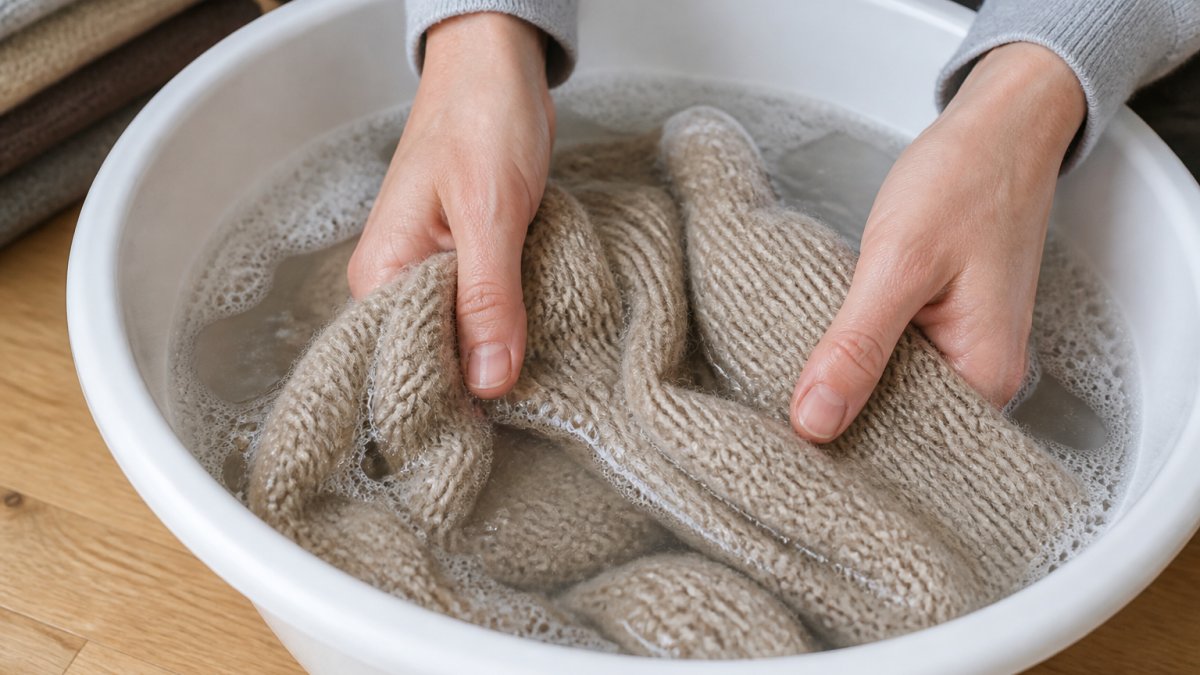
Start by filling a basin with lukewarm water. The temperature should feel neutral to your skin, neither warm nor cool. This is the foundation of alpaca care. Avoid extremes: hot water can weaken fibers and cause shrinkage, while cold water won't rinse soap effectively.
Choosing the Right Water Temperature
Lukewarm water is your standard. It's warm enough to activate gentle detergent but cool enough to avoid fiber damage. Think of it as the Goldilocks zone for alpaca washing.
If you're washing a blend fabric with care instructions, follow the label guidance. But for pure alpaca or alpaca-dominant blends, lukewarm is the safe choice. Test the water with your wrist first, it should feel comfortable, not hot.
Never use hot water, even if you think the garment is heavily soiled. Hot water can cause permanent shrinkage and weaken alpaca fibers over time. The same applies to cold water extremes: water that's too cold won't rinse detergent properly, leaving residue that dulls the fiber's natural luster.
Selecting Mild Detergent and Gentle Soap
Use baby shampoo or a wool-specific detergent. These are formulated to clean without stripping natural oils from delicate fibers. Avoid harsh laundry detergents, bleach, and fabric softeners, they're too aggressive for alpaca.
Baby shampoo works because it's designed for sensitive skin. Wool detergents are engineered specifically for natural fibers. Both dissolve easily in lukewarm water and rinse cleanly without residue.
Pour a small amount, about a teaspoon, into your basin of water. Stir gently to distribute. The water should feel slippery but not soapy. If you see excessive suds, you've used too much detergent.
Rinsing and Handling Wet Fibers
Submerge your alpaca garment gently in the soapy water. Let it soak for 10-15 minutes. Do not agitate, wring, or rub the fabric. Wet alpaca fiber is at its most vulnerable, the weight of water and soap weakens the fiber temporarily.
After soaking, drain the soapy water. Refill the basin with fresh lukewarm water at the same temperature as your wash water. Submerge the garment again and gently squeeze the clean water through the fibers. Repeat this rinse 2-3 times until the water runs clear and you no longer feel soap residue.
The goal is to remove all detergent without agitation. Think of it as a gentle squeeze-and-release motion, not a wash motion.
How to Dry Alpaca Knitwear Without Damage
Drying is where most people make mistakes. The wrong technique can cause stretching, shrinkage, or permanent shape loss. Proper drying preserves the garment's fit and feel.
Removing Excess Water Safely
After your final rinse, gently squeeze, don't wring, excess water from the garment. Your goal is to remove standing water, not to dry the piece completely.
Lay the garment flat on a clean, dry towel. Roll the towel loosely with the garment inside, then gently press down to absorb water. You're using the towel as a water-absorbing layer, not wringing the garment. Repeat with a fresh dry towel if needed.
Never hang wet alpaca accessories. The weight of water will stretch the fibers permanently, especially in areas like sleeve cuffs or scarf edges. Flat drying is non-negotiable.
Flat Drying and Reshaping
Lay the garment flat on a clean, dry surface. A drying rack, mesh screen, or clean towel works well. Smooth the garment gently into its original shape before it dries completely.
For scarves and wraps, lay them flat and straighten the edges. For hats and beanies, gently reshape the crown and brim. For fitted pieces like sweaters, smooth the sleeves and body. Do this while the garment is still slightly damp, it's much easier to reshape than once it's fully dry.
Allow 24-48 hours for complete drying. Avoid direct sunlight or heat sources like radiators or hair dryers. Air drying preserves the fiber's natural properties and prevents shrinkage.
How to Remove Pills from Alpaca Wool
Pilling happens when loose fibers tangle and form small balls on the surface. It's cosmetic damage, not structural damage, your garment is still wearable. But it looks worn.
Alpaca pills less than sheep's wool because the fiber is smoother. However, blended fabrics or lower-quality alpaca may pill more, especially in high-friction areas like underarms or collar edges.
Remove pills gently with a fabric shaver or pill comb. These tools have fine teeth or rotating blades that catch and cut loose fibers without damaging the underlying fabric. Use light pressure and short strokes. Never pull or rub aggressively.
For small pills, a fine-tooth comb works. For larger areas, a handheld fabric shaver is faster and more effective. Both are inexpensive and available at most retailers.
Prevention is better than removal: minimize friction by storing garments carefully and avoiding excessive rubbing during wear.
How to Store Alpaca Clothing Between Seasons
Proper storage protects your alpaca accessories year-round. The main threats are moisture, pests, and compression.
Store alpaca garments in a cool, dry place. Avoid basements or attics where humidity and temperature fluctuate. A bedroom closet or linen closet is ideal.
Fold garments loosely rather than hanging them. Hanging stretches the fibers over time, especially for heavy pieces like scarves or thick sweaters. Use acid-free tissue paper to fill folds and prevent creasing.
Protect against moths and other fiber-eating insects by storing garments with cedar blocks or lavender sachets. These natural deterrents work without harsh chemicals. Replace them every 6-12 months as their scent fades.
Never store damp or dirty garments. Always wash and fully dry before putting items away for the season.
Care by Accessory Type: Scarves, Hats, and Beyond
Different accessories have different care needs based on their construction and how you wear them.
Scarves and Wraps
Scarves take the most wear and need regular refreshing. The good news: you don't need to wash them often. Airing out a scarf for 24 hours removes odors and dust without water.
When washing is necessary, follow the hand-washing steps above. Scarves are straightforward to dry because they're flat and lightweight. Lay them on a clean surface and smooth the edges. They dry quickly, usually within 24 hours.
Our Chunky Knitted Alpaca Scarf is a blend of alpaca, acrylic, and polyamide. The care instructions on the label recommend hand washing or dry cleaning. Hand washing at home is safe and saves money.

For lighter wraps like our 100% Baby Alpaca Scarf - Woven Solid, the same principles apply. The 100% alpaca fiber is delicate but responds well to gentle care. Dry flat and reshape while damp.

Hats and Beanies
Hats need careful reshaping during drying. After washing, gently squeeze out excess water and lay the hat on a clean towel. Use your hands to reshape the crown and brim to their original form.
Let the hat dry flat or on a hat block if you have one. Hat blocks help maintain shape during drying. A rolled-up towel can substitute as a makeshift form. Avoid placing hats in direct sunlight or near heat.
The Classic Knitted 100% Baby Alpaca Hat is made from premium baby alpaca fiber. Baby alpaca is finer and softer than standard alpaca, so handle it with extra care.
Our Suri Cable Knitted Hat & Scarf set combines Suri alpaca with acrylic and nylon. Suri fiber is silkier and longer-staple than huacaya alpaca, which means it's less prone to pilling but requires the same gentle handling.

Blend Fabrics and Care Labels
Not all alpaca accessories are 100% alpaca. Many blends combine alpaca with acrylic, nylon, or other fibers to improve durability and ease of care.
Always check the care label first. The label tells you the fiber content and recommended care method. If the label says "dry clean only," respect that guidance. If it says "hand wash or dry clean," hand washing at home is safe and cheaper.
Blended fabrics are generally more forgiving than 100% alpaca. The synthetic fibers add durability and reduce pilling risk. Follow the same hand-washing process, but you have slightly more flexibility with water temperature and detergent strength.
| Fiber Blend | Care Approach | Key Consideration |
|---|---|---|
| 100% Alpaca | Hand wash, lukewarm water, baby shampoo | Most delicate; reshape while damp |
| Alpaca + Acrylic blend | Hand wash or dry clean; lukewarm water | More forgiving; follow label guidance |
| Alpaca + Nylon blend | Hand wash or dry clean; lukewarm water | Durable; synthetic fibers resist pilling |
| Suri Alpaca blend | Hand wash, mild detergent | Silkier fiber; less prone to pilling |
When to Wash and How Often
Alpaca's natural properties mean you can wash less frequently than with other fabrics. This extends garment life and reduces wear from washing.
Wash your alpaca accessories only when they're visibly soiled or smell stale. For most people, this means 2-4 times per year for scarves and wraps, and 1-2 times per year for hats and beanies.
Between washes, refresh your accessories by airing them out. Hang a scarf in a well-ventilated area for 24 hours. Remove odors and dust without water or detergent.
Spot-clean small stains immediately. Use a damp cloth with a tiny drop of baby shampoo. Gently dab the stain and rinse with a clean, damp cloth.
Alpaca accessories are an investment in comfort and quality, and understanding how to care for your alpaca knit accessories ensures they last for years. They deserve care that matches their value.
At Purely Alpaca, we stand behind our products with a hassle-free return policy. Start with our Classic Knitted 100% Baby Alpaca Hat or one of our scarves, follow these care steps, and experience the lasting luxury that makes alpaca worth the investment.
Frequently Asked Questions
What detergent should you use when washing alpaca wool?
Use mild detergent, baby shampoo, or wool-specific soap to care for alpaca wool. Avoid harsh detergents, bleach, or products with enzymes that can damage delicate alpaca fibers. A gentle liquid soap works well for hand washing. For blended pieces, check the care label to ensure the detergent suits all fiber types in your accessory.
Can you put alpaca knit accessories in the dryer?
No, machine drying is not recommended for alpaca knitwear. High heat and tumbling can shrink, felt, and damage the fibers. Instead, remove excess water gently with a clean towel and lay flat to air dry. This preserves the softness and shape of your scarves, hats, and other alpaca accessories.
How often should you wash alpaca hats, scarves, and gloves?
Alpaca fiber is naturally odor-resistant and dirt-repellent, so washing is less frequent than with other materials. Wash your accessories when they're visibly soiled or smell stale. Between washes, airing them out on a clothesline or laying them flat can remove odors and light dirt naturally without requiring a full wash.
How do you remove pills from alpaca knitwear?
Use a fabric shaver or pill comb to gently remove pills from alpaca accessories. Brush in one direction with light pressure to avoid damaging the fibers. Always brush gently to maintain the integrity of your alpaca wool garment.