



Table of Contents
- Are Alpaca Socks Good for Skiing? The Direct Answer
- How Alpaca Fiber Delivers Warmth and Insulation
- Alpaca vs. Merino Wool Socks for Skiing Performance
- Ski Sock Thickness and Boot Fit: Finding the Right Balance
- Best Socks for Skiing: What to Look for Beyond Material
- Moisture Wicking, Breathability, and Keeping Feet Dry
- How to Wash Alpaca Socks and Care for Them Between Runs
- Durability and Long-Term Performance on the Slopes
- Frequently Asked Questions
Last Updated: October 20, 2026
Are Alpaca Socks Good for Skiing? The Direct Answer
The short answer: alpaca socks are genuinely good for skiing, but they're not universally the best choice for every skier. Here's what matters. Alpaca fiber delivers exceptional warmth without the bulk that can restrict circulation in tight ski boots. The material naturally wicks moisture and resists odor, which keeps feet comfortable during long days on the mountain.

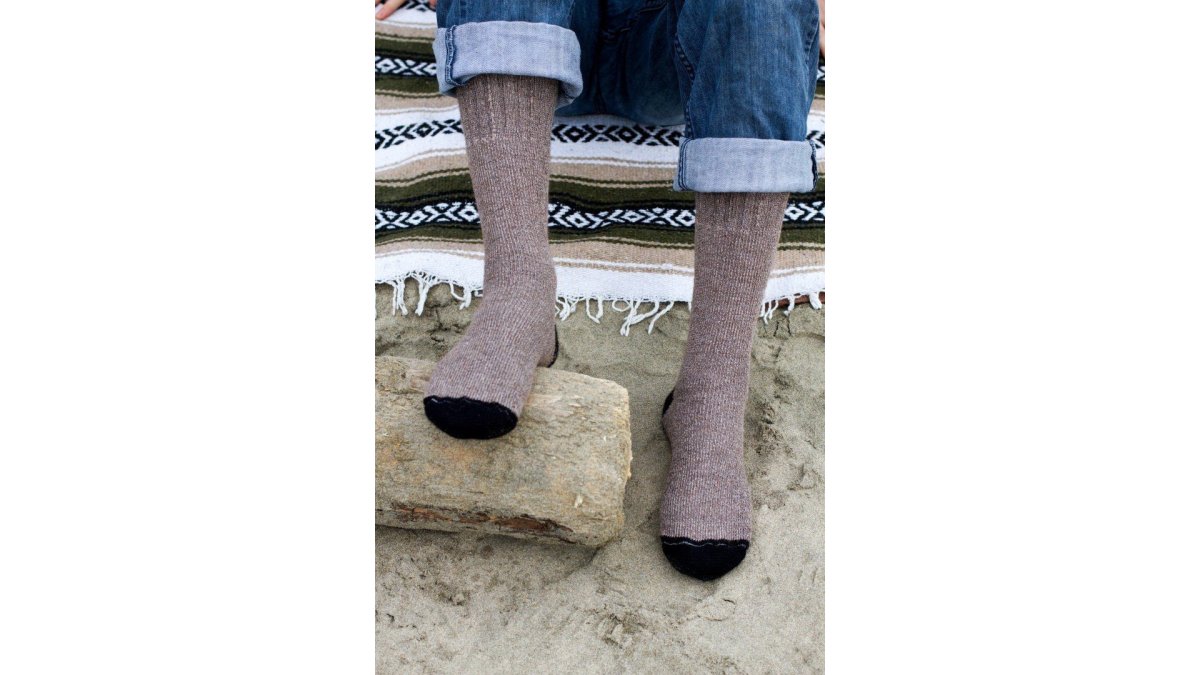
Alpaca fiber excels at the specific demands of skiing. The real question isn't whether alpaca socks work, it's whether they're the right fit for your particular setup. Some skiers need heavier cushioning. Others prioritize a thinner profile to avoid boot pressure. Your boot size, sock thickness preference, and personal circulation patterns all factor into the decision.
The research from The New York Times Wirecutter ski sock review highlights that the best ski socks combine warmth, moisture management, and a close fit. Merino wool dominates that conversation, but alpaca holds its own in specific scenarios. Both materials wick moisture effectively. Both insulate well.
How Alpaca Fiber Delivers Warmth and Insulation
Alpaca fiber creates warmth through a simple mechanism: tiny air pockets within the fiber trap heat without adding bulk. This is why alpaca socks keep feet warm even when they're thinner than comparable wool alternatives. The fiber structure naturally insulates, meaning you get serious thermal protection in a sock that doesn't compress your toes or restrict blood flow in a tight ski boot.

The warmth comes from the fiber itself, not from thickness. A medium-weight alpaca sock often outperforms a heavy synthetic sock because the material's insulating properties are superior. When you're wearing ski boots that are already snug, this difference matters. Too much sock bulk and you're cutting off circulation, which actually makes your feet colder. Alpaca avoids that trap.
One practical advantage: alpaca fiber maintains its insulating properties even when slightly damp. This is crucial on the slopes. Your feet will generate some moisture regardless of how good the sock is. Alpaca continues to trap air and insulate even in those conditions, whereas some materials lose effectiveness when wet.
Alpaca vs. Merino Wool Socks for Skiing Performance
Both alpaca and merino wool are premium natural fibers for skiing. The comparison matters because merino has dominated the performance sock market for years. Understanding the trade-offs helps you choose correctly.
Merino wool excels at moisture wicking and temperature regulation. It pulls sweat away from skin efficiently and dries faster than alpaca. Merino also has a long track record in the skiing community, it's been tested extensively in harsh conditions. The downside: merino can feel itchy to sensitive skin, and it requires careful washing to prevent shrinkage.
Alpaca fiber delivers superior warmth in a lighter package. It's softer than merino, which matters if you have sensitive skin or eczema. Alpaca resists odor naturally, so your socks stay fresher longer between washes. The trade-off is that alpaca dries slightly slower than pure merino.
For skiing specifically, the choice depends on your priorities. If you want the absolute best moisture wicking and don't mind potential itchiness, merino wins. If you prioritize softness, superior warmth, and natural odor resistance, alpaca is the better option. Many skiers find that a blend works best, combining alpaca's warmth and softness with merino's moisture management.
Ski Sock Thickness and Boot Fit: Finding the Right Balance
This is where most skiers make mistakes. They buy thick, cushioned socks thinking more insulation equals warmer feet. In reality, overstuffed socks compress inside ski boots and restrict circulation, the exact opposite of what you want.
Ski boots are engineered tight. They need to be for control and responsiveness. Add a sock that's too thick and you're essentially cutting off blood flow to your feet. Your toes get colder, not warmer. You also risk pressure points and blisters.
The ideal ski sock thickness depends on your boot fit and personal preference:
- Lightweight socks: Best if your boots fit snugly or if you tend toward cold feet that need good circulation. These socks provide warmth without compression.
- Medium-weight socks: The sweet spot for most skiers. They offer cushioning and thermal protection without excessive bulk.
- Heavyweight socks: Use these only if your boots are roomy or if you're skiing in extreme cold and your boots fit with room to spare.
Alpaca's advantage here is significant. Because alpaca fiber insulates efficiently without bulk, you can get serious warmth from a medium-weight alpaca sock. The Survival Over-the-Calf Sock from Purely Alpaca provides full cushioning while maintaining a profile that works in standard ski boots. The over-the-calf height extends coverage without adding pressure at the ankle.
Boot fit is personal. Before buying any sock, know your boot size and how snugly they fit. If you have room to spare, a heavier sock works. If your boots are already tight, prioritize a thinner alpaca option that still delivers warmth.
Best Socks for Skiing: What to Look for Beyond Material
Material matters, but construction details determine whether a sock actually performs on the slopes. Here's what separates a good ski sock from a mediocre one.
Reinforcement in high-wear zones is essential. Your heel and toe take repeated impact and friction. Socks that lack reinforcement wear through quickly. Look for reinforced heels and toes, this extends the sock's lifespan significantly.
Arch support prevents foot fatigue during long days. A sock with a built-in arch band reduces strain and keeps your feet comfortable in your boots.
Calf height and fit matter more than most skiers realize. Over-the-calf socks provide extra coverage and warmth. They also stay in place better, no slipping down inside your boot mid-run.

Flat knit toe seams prevent blisters. Bulky toe seams create pressure points inside tight ski boots. Flat construction eliminates that problem.
The OutdoorAdventure Alpaca Sock from Purely Alpaca checks all these boxes. It features a cushioned interior, reinforced heel and toe, and a gentle long-calf fit.
Compare this to budget ski socks and the difference is obvious. Premium construction lasts longer, performs better, and keeps your feet comfortable through multiple seasons.
Moisture Wicking, Breathability, and Keeping Feet Dry
Moisture management is the hidden factor that separates comfortable days on the slopes from miserable ones. Your feet generate sweat regardless of temperature. If that moisture sits against your skin, your feet get colder and blisters form.
OutdoorAdventure Alpaca Sock →
Alpaca fiber naturally wicks moisture away from skin. The fiber structure moves sweat outward toward the sock's outer layers, where it can evaporate or be absorbed. This keeps your feet dry and warm. Breathability works hand in hand with wicking, the sock needs to allow air circulation so moisture can escape.
Many skiers assume that keeping feet completely dry is impossible. That's partially true. But the goal isn't zero moisture, it's managing moisture so it doesn't pool against your skin. Alpaca excels at this balance.
The fiber also resists odor naturally. Bacteria thrive in damp environments. Alpaca's moisture-wicking properties and natural antimicrobial qualities mean your socks stay fresher longer. You can wear them multiple days without developing that sour smell that plagues synthetic socks.
One practical note: breathability matters more in moderate temperatures. If you're skiing in extreme cold, breathability takes a back seat to insulation. Alpaca handles both scenarios well.
How to Wash Alpaca Socks and Care for Them Between Runs
Proper care extends the life of alpaca socks dramatically. The good news: alpaca is durable and forgiving compared to delicate merino.
Machine washing is acceptable for most alpaca socks. Check the care label first. Many alpaca socks are designed for machine wash and dry. The Superwarm Heavy Extreme Alpaca Socks from Purely Alpaca are specifically engineered to be machine washable and dryable, which makes them practical for frequent skiers.
Temperature matters. Use cold water for washing. Hot water can damage alpaca fiber over time. Tumble dry on low heat or air dry to preserve the fiber's integrity.
Avoid fabric softener and bleach. These products damage alpaca fiber and reduce its natural properties. Regular detergent is fine.
Turn socks inside out before washing. This reduces pilling and extends lifespan.
Dry completely between uses. If you're skiing multiple days, dry your socks thoroughly overnight. Damp socks create conditions for odor and bacterial growth.
The durability of alpaca means these socks last multiple seasons if cared for properly.
Durability and Long-Term Performance on the Slopes
Alpaca fiber is naturally durable. The fiber structure resists abrasion better than many alternatives. This means your socks maintain their shape and performance through hundreds of runs.
Reinforced heels and toes extend durability further. These high-wear zones take the most punishment. Socks with quality reinforcement last significantly longer than those without.
Real-world durability depends on several factors: how often you ski, how aggressively you ski, and how well you care for your socks. A skier who hits the slopes 50 days a year needs socks that can handle that volume.
The investment in quality alpaca socks pays dividends.
Purely Alpaca has been crafting alpaca products since 2002. The Superwarm Heavy Extreme Alpaca Socks are 50% heavier than comparable competitors and engineered to stay warm even when wet, a crucial feature for skiers who encounter variable conditions.
One final consideration: performance doesn't degrade uniformly. Your socks will feel slightly less cushioned after a full season. That's normal. But the thermal properties and moisture management remain strong for years.
The bottom line: Are alpaca socks good for skiing? Yes, when you choose the right thickness for your boot fit and understand what you're getting in terms of warmth, softness, and moisture management.
| Feature | Alpaca Socks | Merino Wool Socks | Synthetic Socks |
|---|---|---|---|
| Warmth-to-weight ratio | Excellent | Very good | Good |
| Moisture wicking | Very good | Excellent | Fair |
| Softness | Excellent | Good | Poor |
| Odor resistance | Excellent | Good | Fair |
| Durability | Excellent | Very good | Good |
| Price | Premium | Premium | Budget to mid-range |
| Care requirements | Easy | Moderate | Easy |
Frequently Asked Questions
Are alpaca socks warm enough for skiing in extreme cold?
Alpaca fiber provides exceptional thermal insulation without bulk, making alpaca socks good for skiing in cold conditions. The fiber traps warm air naturally and maintains warmth even when exposed to moisture. For extreme cold or multi-day ski trips, look for heavy-weight alpaca socks with reinforced cushioning, like the Superwarm Heavy Extreme Alpaca Socks ($33.95), which are 50% heavier than comparable competitors and designed specifically for winter sports.
Are alpaca socks better than merino wool socks for skiing?
Alpaca and merino each have strengths. Merino excels at moisture wicking and is often blended with elastic for a close fit that works well in tight ski boots. Alpaca offers superior warmth-to-weight and softness, making it ideal if you prioritize comfort and insulation over moisture management. For skiing, a blend works best: the Dahlgren Summit Over-calf Alpaca Sock ($31.95) combines alpaca with merino wool and synthetic fibers to balance warmth, moisture transfer, and performance.
Can thick alpaca ski socks make my boots feel too tight?
Thick socks can reduce circulation and cause discomfort in snug ski boots. Alpaca socks offer warmth without excessive bulk compared to heavy wool alternatives, but fit depends on boot size and sock thickness. Choose over-the-calf styles like the Survival Over-the-Calf Sock ($38.95) that provide coverage and warmth while maintaining a secure, non-restrictive fit designed to work inside ski boots without pinching or bunching.
How do I wash alpaca socks to keep them in good condition?
Most alpaca socks are machine washable and dryable, though care varies by blend. Turn socks inside out, use cold water, and tumble dry on low heat to prevent shrinkage and maintain fiber integrity. The OutdoorAdventure Alpaca Socks ($31.95) and Superwarm Heavy Extreme Alpaca Socks ($33.95) are both designed to be machine washable and dryable, making them practical for frequent use during ski season.