


Table of Contents
- Why Alpaca Gifts Work for Sensitive Skin
- Is Alpaca Wool Itchy for Sensitive Skin?
- Alpaca vs Sheep Wool for Eczema: What You Need to Know
- Our Top Alpaca Gift Picks for Sensitive Skin
- How to Wash Alpaca Wool Gifts to Preserve Softness
- What to Look for When Choosing Alpaca Gifts
- Conclusion: Give the Gift of Comfort
- Frequently Asked Questions
Last Updated: October 16, 2026
Why Alpaca Gifts Work for Sensitive Skin
Alpaca fiber has earned a reputation as a gentler alternative to traditional wool: it's naturally soft, breathable, and warm, which is why alpaca gifts sensitive skin shoppers seek out for anyone whose skin reacts to coarse fabrics. At Purely Alpaca, we've spent over two decades helping customers find gifts that don't compromise on comfort or quality.
But softness alone doesn't guarantee alpaca will work for every person with sensitive skin. Alpaca fiber is finer and less itchy than sheep's wool, but individual responses vary: some people with eczema or dermatitis find alpaca soothing, while others experience irritation depending on fiber grade, blending, construction, and care.
The best alpaca gifts for people with sensitive skin combine three elements: baby alpaca fiber (the finest grade available), minimal blending with irritating synthetics, and thoughtful construction that keeps coarse seams away from skin contact. Here's how to identify these qualities, what to look for when shopping, and our top product picks.

Is Alpaca Wool Itchy for Sensitive Skin?
Alpaca fiber is significantly softer than sheep's wool, which is why it's often recommended for sensitive skin. Baby alpaca, the finest grade, has a micron count (fiber diameter) that rivals cashmere, directly reducing the "prickle factor" that causes itching.
However, calling alpaca universally non-irritating would be misleading. A person who cannot tolerate sheep's wool may still experience discomfort with alpaca if the fiber grade is coarser (adult or huacaya alpaca) or if construction includes rough seams or synthetic linings. Many people with sensitive skin find it more comfortable than alternatives, but individual testing is wise.
What matters most: fiber fineness, blend composition, and construction. A 100% baby alpaca scarf with soft finishing feels dramatically different from a blend with acrylic or nylon against the skin. Look for flat seams or seams positioned away from sensitive areas like the neck or wrists.

Alpaca vs Sheep Wool for Eczema: What You Need to Know
The difference between alpaca and sheep's wool comes down to fiber structure. Sheep's wool has a scaly surface that can feel rough and cause itching, especially for people with eczema or reactive skin. Alpaca fiber has a smoother surface and finer diameter, so it typically feels softer against the skin.
For people with eczema, alpaca offers practical advantages. The fiber breathes well, helping regulate moisture and temperature, two factors that can trigger flare-ups. It also doesn't trap heat and sweat the way some synthetics do, reducing the environment where irritation thrives.
That said, alpaca is not universally hypoallergenic. Some people with severe sensitivities may still react, particularly if construction includes synthetic blends or if care instructions aren't followed (improper washing can leave irritating residue).
One practical consideration: alpaca fiber holds onto natural oils better than sheep's wool, so it requires gentler care. This benefits sensitive skin, since harsh detergents and frequent washing can strip natural skin oils and trigger eczema.
Our Top Alpaca Gift Picks for Sensitive Skin
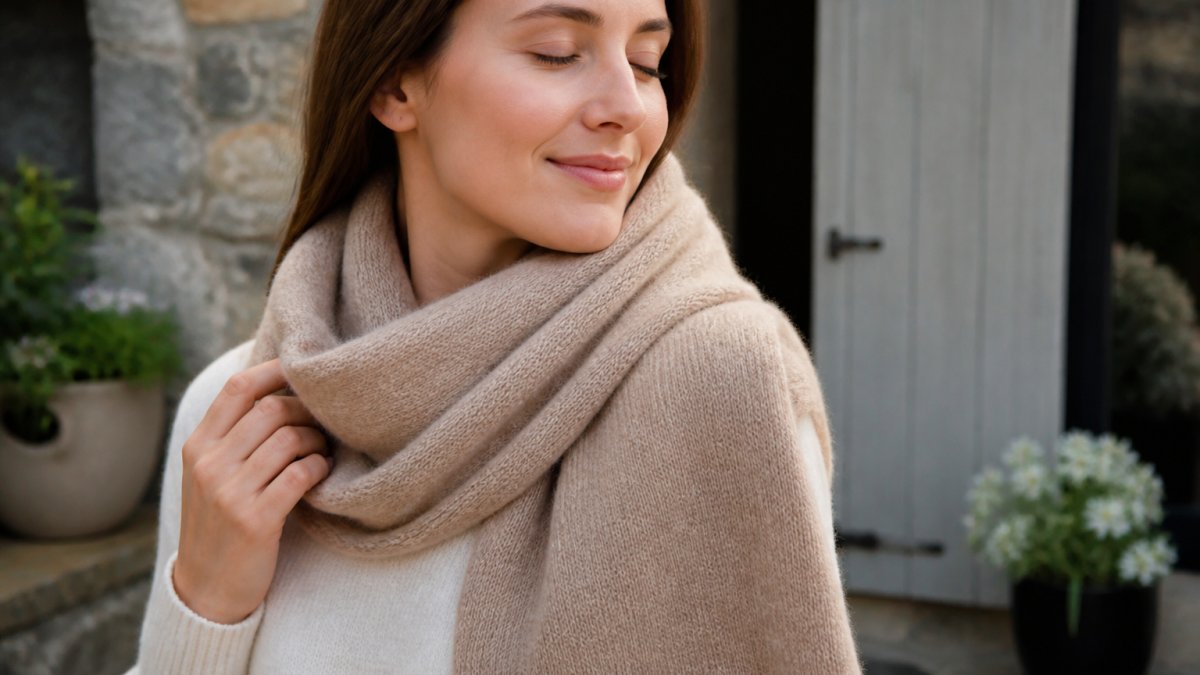
Scarves: Soft, Breathable Comfort
A scarf is one of the most versatile gifts for someone with sensitive skin: it provides warmth without full-body coverage that can trap heat and trigger irritation.
The 100% Baby Alpaca Scarf - Woven Solid ($57.95) is an excellent starting point. At 71 inches long and 12 inches wide, it drapes beautifully while remaining lightweight at 130 grams.
For those seeking sustainable options, the Natural Undyed 100% Baby Alpaca Eco Scarf ($67.95) uses eco-friendly processing and natural coloring, which eliminates dyes that can irritate sensitive skin.
The Solid Weave Brushed Alpaca Scarf ($45.00) offers the best value without sacrificing quality. The brushed 100% baby alpaca surface delivers that coveted softness at an entry-level price point.

For a reversible option that maximizes versatility, the Reversible Baby Alpaca and Silk Scarf ($79.95) combines 70% baby alpaca with 30% silk in a design that works on both sides.
Socks: Gentle Support Without Irritation
Socks are an underrated gift for people with sensitive skin: they provide warmth and comfort during vulnerable hours (especially sleep) without the irritation tight elastic or coarse fibers can cause. The best alpaca socks balance softness with gentle support that doesn't leave marks or restrict circulation.
The Soft Touch Therapeutic Alpaca Slouchy Socks ($29.95) were designed for comfort without constriction. The blend of 48% alpaca, 40% acrylic, 8% nylon, and 4% spandex holds gently without leaving marks, a major advantage for sensitive legs or irritation from elastic bands.
The Knee-Hi Alpaca Socks ($36.95) extend comfort up the calf with the same gentle-grip philosophy.
Both sock options prioritize fiber composition and construction that won't irritate: the alpaca provides natural warmth and softness, while the acrylic and spandex blend holds shape and stays in place without tight elastic. For sensitive skin, this balance is crucial.
Hats: Lightweight Warmth for Sensitive Scalps
A hat is an often-overlooked gift for people with sensitive skin, yet the scalp can be remarkably reactive to coarse fibers or tight headbands. The best alpaca hats are 100% baby alpaca with minimal seams and a comfortable, non-restrictive fit.
The Classic Knitted 100% Baby Alpaca Hat ($64.95) is crafted entirely from 100% premium baby alpaca fiber, delivering unparalleled softness without synthetic blending. The one-size-fits-most design drapes beautifully against the skin without the tight pressure that can irritate sensitive scalps. The knit construction is breathable, preventing the heat buildup that can trigger itching or eczema. Care instructions recommend dry cleaning or gentle hand washing in mild detergent or baby shampoo, which preserves the fiber's integrity and minimizes irritation from detergent residue.
This hat suits people whose scalps react to synthetic materials or tight knit patterns, and its luxurious fiber quality makes it a meaningful investment gift for someone with sensitive skin.
100% Baby Alpaca Scarf - Woven Solid →
How to Wash Alpaca Wool Gifts to Preserve Softness
Proper care maintains the softness of alpaca gifts and prevents irritation. Alpaca fiber is delicate compared to sheep's wool, and incorrect washing can leave residue that irritates sensitive skin or damage the fiber.
For most alpaca products, hand washing in cool water with mild detergent or baby shampoo is the safest approach.
After rinsing, gently squeeze out excess water and lay the garment flat on a clean towel to air dry. Never hang alpaca items while wet, as the weight of water can stretch the fibers.
For items labeled "dry clean or hand wash," dry cleaning is appropriate if the recipient prefers professional care, but hand washing is gentler on the fiber and gives you more control.
A practical tip: alpaca fiber naturally resists odor and dirt because of its smooth surface. This means you can extend the time between washes, which is genuinely beneficial for sensitive skin.
What to Look for When Choosing Alpaca Gifts
Fiber Grade: Baby alpaca is the finest and softest grade available. It has the smallest micron count, which directly reduces itching and irritation.
Fiber Content: 100% baby alpaca is ideal for sensitive skin. High percentages of acrylic, nylon, or polyester can introduce irritating synthetics.
Construction Details: Examine seam placement and finishing. Flat seams or seams positioned away from areas that contact sensitive skin (neck, wrists, face) are preferable.
Dye and Processing: Natural, undyed alpaca is safest for people with dye sensitivities. If the item is dyed, look for products using low-impact dyes or certified sustainable processing.
Care Requirements: Choose items with straightforward care instructions.
| Selection Criteria | What to Choose | What to Avoid |
|---|---|---|
| Fiber Grade | 100% baby alpaca | Adult alpaca, huacaya blends |
| Blend Composition | 70%+ alpaca with soft synthetics | High acrylic/nylon, polyester |
| Seams & Construction | Flat seams away from skin contact | Rough seams, tight elastic, stiff linings |
| Dye & Processing | Natural, undyed or low-impact dyes | Heavy chemical dyes, harsh processing |
| Care Instructions | Hand wash, gentle machine wash | Dry clean only, frequent washing required |
When shopping for alpaca gifts for people with sensitive skin, this framework helps you narrow options quickly. A product that checks all five boxes is your best bet for a comfortable, long-lasting gift.
Conclusion: Give the Gift of Comfort
Choosing a gift for someone with sensitive skin requires thoughtfulness. Alpaca gifts from Purely Alpaca offer a genuine solution: baby alpaca fiber that is naturally soft, breathable, and less likely to irritate than traditional wool. Our scarves, socks, and hats are crafted from premium baby alpaca with construction designed to avoid irritation.
Whether you choose the Soft Touch Therapeutic Alpaca Slouchy Socks for everyday comfort, a 100% Baby Alpaca Scarf for versatile warmth, or the Classic Knitted 100% Baby Alpaca Hat for gentle head coverage, you're giving alpaca gifts sensitive skin recipients will appreciate for prioritizing both luxury and skin health. Explore our full collection of alpaca gifts for people with sensitive skin and discover why customers have trusted Purely Alpaca since 2002.
National Eczema Association guidelines on fabric sensitivity
Dermatology research on natural fiber properties
Textile fiber micron count standards
Frequently Asked Questions
Is alpaca wool itchy for sensitive skin?
Alpaca fiber is generally much softer than traditional sheep's wool because it has a smaller diameter and lacks the barbed scales that cause itchiness in coarser wools. Baby alpaca, the finest grade, is particularly smooth and gentle. However, sensitivity varies by individual; while many people with sensitive skin find alpaca comfortable, personal skin chemistry differs. Starting with a product like the Soft Touch Therapeutic Alpaca Slouchy Socks ($29.95) allows you to test your tolerance before investing in larger items.
Can people with eczema wear alpaca wool?
Alpaca fiber may be better tolerated than sheep's wool by people with eczema because of its smooth structure and lower likelihood of triggering irritation. Unlike coarser wools that can scratch or inflame sensitive skin, alpaca's fine fibers create less friction. That said, eczema responses are highly individual. If you have eczema, choose 100% baby alpaca products and perform a patch test on a small area of skin first. Products like the Classic Knitted 100% Baby Alpaca Hat ($64.95) offer pure alpaca without synthetic blends that might irritate.
How do I care for alpaca wool gifts to keep them soft?
Hand washing in cool water with mild detergent or baby shampoo preserves softness best. Avoid hot water, which can felt the fibers and make them rougher. Lay flat or hang to dry; never use a dryer. For items like the 100% Baby Alpaca Scarf ($57.95), dry cleaning is an option, but hand washing with gentle handling maintains the luxurious feel longer. Always check the care label, as some blended pieces like the Knee-Hi Alpaca Socks ($36.95) can tolerate machine washing on a gentle cycle.
What makes alpaca fiber different from sheep's wool?
Alpaca fiber is finer, smoother, and warmer than most sheep's wool. It has a smaller fiber diameter, which reduces the barbed scales that cause traditional wool itch. Alpaca also contains less lanolin, a natural oil that can irritate sensitive skin. Additionally, alpaca is naturally hypoallergenic and breathable, making it ideal for people with skin sensitivities or eczema. The fiber traps warmth without bulk, so alpaca garments are lighter and more comfortable for extended wear.
Are alpaca socks good for sensitive feet?
Yes, alpaca socks are excellent for sensitive feet because they combine softness with gentle compression and breathability. The Soft Touch Therapeutic Alpaca Slouchy Socks ($29.95) are specifically designed with a non-restrictive fit that doesn't leave marks on skin, making them popular with people who experience discomfort from tight elastic. The blend of alpaca with acrylic and nylon provides durability and easy care, while the natural fiber regulates moisture and temperature without irritating sensitive skin or aggravating conditions like diabetic neuropathy.