



Table of Contents
- Why Alpaca Wool Belongs in Your Outdoor Gear
- The Benefits of Alpaca Wool for Hiking and Cold-Weather Sports
- Alpaca vs. Merino Wool for Hiking: Where Each Fiber Wins
- Alpaca Wool When Wet: Heat Retention and Drying Time
- The Downsides of Alpaca Wool You Should Know Before You Buy
- Matching Alpaca Gear to Your Activity and Weather
- Caring for Alpaca Wool in the Field and at Home
- Conclusion
- Frequently Asked Questions
Last Updated: October 17, 2026
Why Alpaca Wool Belongs in Your Outdoor Gear
Alpaca wool is a natural fiber spun from the fleece of alpacas, and it earns a place in outdoor gear because it insulates, breathes, and manages moisture without the bulk of many synthetic layers.
Here is what most gear guides get wrong. They treat "wool" as one material and lump alpaca in with sheep wool.
Below, we break down how alpaca wool performs on the move, where it beats merino and where it does not, and how to match it to your activity and weather.
The Benefits of Alpaca Wool for Hiking and Cold-Weather Sports
The benefits of alpaca wool for hiking start with warmth per ounce. Alpaca fiber traps air in its hollow core, so a midweight garment holds heat without the loft of a puffy layer. That makes it a strong base layer or sock choice for cold-weather sports, and a comfortable one for year-round use.
Warmth Without Bulk
Alpaca keeps you warm because the fiber's hollow structure traps air, and trapped air is the actual insulator. You get heat retention from a thinner fabric than many sheep wool knits require. For skiers, hunters, and winter hikers, that means less bulk under a shell and more freedom to move.
Our heavyweight OutdoorAdventure Alpaca Sock puts that idea to work with a cushioned interior and reinforced heel and toes. It is built for skiing, hunting, hiking, and camping, and it fits calf-high without pinching.

Breathability and Temperature Regulation
Temperature regulation is where alpaca surprises people. The fiber breathes, so air circulates and moves moisture vapor away from your skin. You stay cool and dry on a climb and warm when you stop.
That matters more than most people expect. A sock or base layer that traps sweat turns cold the moment you slow down. Alpaca's airflow gives you a wider comfortable temperature range across a day that swings from a sunny ascent to a shaded ridge.
Alpaca vs. Merino Wool for Hiking: Where Each Fiber Wins
Alpaca vs. merino wool for hiking is closer than the marketing suggests, and honesty helps here. Alpaca brings more warmth per ounce and a smoother fiber surface that resists irritation for many wearers.
A comparison published by Ridge Merino's fiber comparison notes that 100% alpaca garments are not very durable and do not stretch as much as merino, while merino can absorb up to 30% of its dry weight in moisture.
The practical answer: choose merino for stretch-heavy fitted layers, and choose alpaca for warmth, sock cushioning, and camp insulation. Our Field Hiker Alpaca Socks use 50% alpaca with acrylic, nylon, and a touch of elastic, which adds stretch and durability while keeping the fiber's warmth.

| Fiber | Best For | Main Trade-off |
|---|---|---|
| Alpaca | Warmth per ounce, socks, camp layers | Less stretch |
| Merino | Fitted base layers, next-to-skin softness | |
| Synthetic | High-sweat aerobic output, quick drying | |
| Alpaca blend | Socks and active layers needing stretch | Slightly less pure-fiber benefit |
Alpaca Wool When Wet: Heat Retention and Drying Time
Alpaca wool when wet keeps more of its insulating value than cotton and dries faster than many heavy wool knits, though it is not waterproof. The fiber's smooth surface sheds some moisture and its hollow core holds warmth even as humidity rises.
Drying time depends on construction. Thin knits dry quickly; dense, heavily cushioned pieces take longer. Our Sport Mid-Crew Active Alpaca Socks use 60% baby alpaca with nylon and elastane for athletic use, with micro padding and arch support.

The Downsides of Alpaca Wool You Should Know Before You Buy
The downsides of alpaca wool are real, and we would rather you hear them from us. Pure alpaca has less stretch. It also costs more than commodity wool, and heavy pieces take longer to dry.
- Less stretch: 100% alpaca does not rebound like merino, so fitted layers can bag over time.
- Abrasion: Backpack straps and boot rubs wear pure alpaca faster than blends.
- Price: Quality fiber costs more than department-store wool, and it should, because it lasts.
- Care: Most pieces need gentle washing, not hot water and a hot dryer.
None of these are dealbreakers. They are reasons to choose the right construction for the job. Blends solve the stretch and durability gaps, and the warmth advantage remains.
OutdoorAdventure Alpaca Sock →
Matching Alpaca Gear to Your Activity and Weather
Match alpaca to intensity and weather, not to a brand label. The fiber's warmth-per-ounce advantage pays off most in low-output cold, while its breathability and odor resistance matter most in high-output aerobic work and multi-day trips. The variables that actually determine performance are fabric weight, knit density, blend ratio, and how the piece layers with the rest of your system.
A Decision Matrix by Activity Intensity and Weather
Use output level and precipitation risk to pick the right construction. The matrix below translates fiber properties into practical picks; adjust for your own sweat rate and cold tolerance.
| Activity | Output Level | Typical Weather | Best Alpaca Construction | Why It Works |
|---|---|---|---|---|
| Ski touring, winter hiking | Low to moderate, stop-start | 15-30F, dry or light snow | Heavyweight cushioned sock; midweight base layer under a shell | Hollow-core warmth holds heat during stops; breathability vents on the climb |
| Running, fast day hikes | High, continuous | 35-55F, mixed | Lightweight ankle sock; thin 100% or high-alpaca blend base layer | Quick vapor transfer and odor resistance; less bulk under a wind layer |
| Multi-day backpacking | Moderate, sustained | 30-50F, rain possible | Medium-weight blend sock; alpaca camp layer for evenings | Blend adds abrasion resistance; odor resistance stretches days between washes |
| Camp and cold nights | Low, stationary | Below freezing | Alpaca-filled sleeping bag or camp insulation | Compressible loft traps air; warmth persists as humidity rises |
| Stop-start cold (hunting, photography) | Low with bursts | 20-40F, wind | Heavyweight sock plus midweight base layer; add a wind shell | Warmth without bulk preserves dexterity and mobility |
Two rules of thumb sharpen the matrix. First, size base layers to sit close but not tight: a snug fit maximizes moisture transfer, while a loose fit lets cold air pool against the skin.
Layering and Garment Construction Matter as Much as Fiber
Fiber performance depends on knit, fabric weight, blend, and layering. A thin, open knit breathes and dries faster but insulates less; a dense, heavily cushioned knit holds more warmth but takes longer to dry. That is why two garments with the same alpaca percentage can behave very differently on the trail.
- Fabric weight: Lightweight knits suit high-output aerobic work and warm-weather hikes; midweight suits sustained cold; heavyweight suits low-output cold and camp.
- Knit density: Looser knits vent and dry faster; tighter knits trap more heat and resist wind better but dry slower.
- Blend ratio: A 50-60% alpaca blend with nylon or acrylic adds stretch and abrasion resistance for socks and active layers, while 100% alpaca maximizes warmth and softness for camp and sleep systems.
- Layering order: Put alpaca next to skin or as a mid layer under a shell. Avoid wearing a waterproof membrane directly over a high-loft alpaca piece during hard output, because trapped vapor can overwhelm the fiber's transfer rate.
Socks, Base Layers, and Camp Insulation
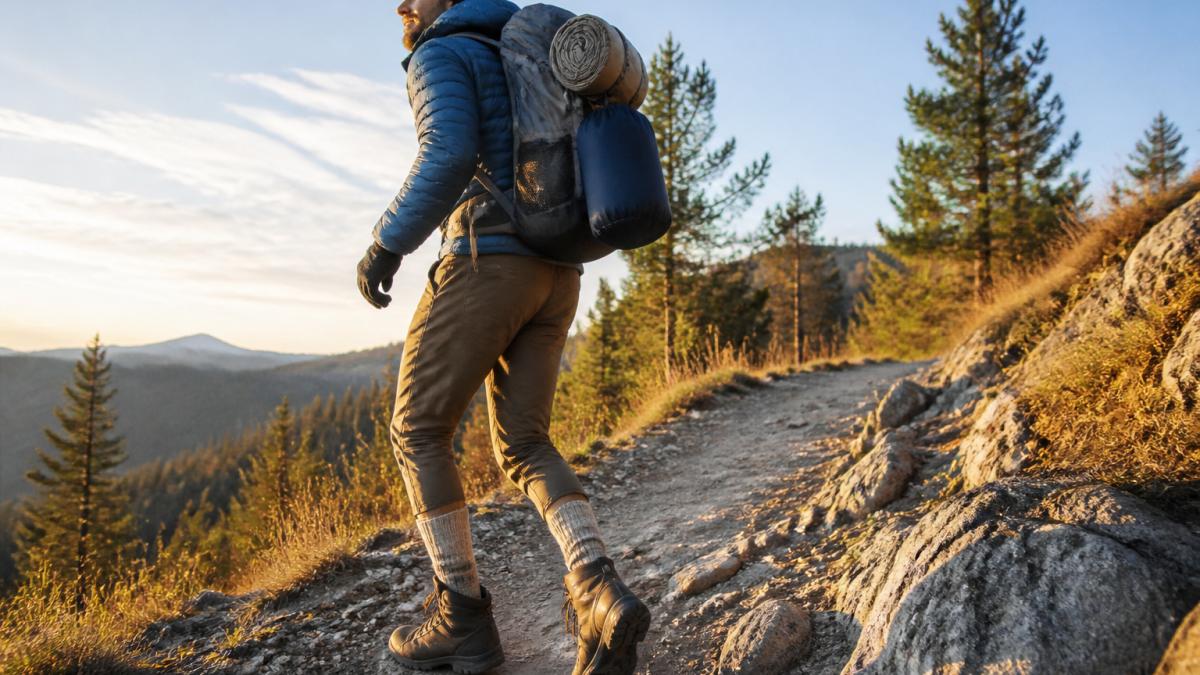
Socks are the entry point for most people. For cold-weather hiking and ski touring, the heavyweight OutdoorAdventure sock gives cushioning and warmth. For warmer running and day hikes, the Sports Ankle Active Alpaca Socks keep things light with arch support and breathable padding.
For camp, the AlpacaSack sleeping bag is filled with 100% alpaca fiber and comfort rated to 32F. It compresses into a stuff sack, bounces back to full size, and unzips into a blanket.
| Activity | Best Alpaca Pick | Why |
|---|---|---|
| Skiing, winter hiking | OutdoorAdventure Sock, $31.95 | Heavyweight cushion, calf-high fit |
| Running, warm-weather hikes | Sports Ankle Sock, $21.95 | Lightweight, breathable, arch support |
| Multi-day hiking | Field Hiker Sock, $24.95 | Medium weight, durable blend |
| Camp and cold nights | AlpacaSack, $165.95 | Compressible, rated to 32F |
Caring for Alpaca Wool in the Field and at Home
Alpaca is easier to care for than its price tag suggests, but the details matter more than the general advice. Most of our socks are machine washable, and the OutdoorAdventure sock is machine washable and dryable, which is rare for heavy wool. Turn pieces inside out, use cool water, and tumble low or air dry.
Washing, Drying, and Storage Without Shrinkage
The single biggest care mistake is heat. Hot water and a hot dryer shrink and mat alpaca fiber. Cool wash, low heat, and you will get years of use. A few specifics make that rule practical:
- Washing: Use a gentle or hand-wash cycle without an agitator for base layers and the sleeping bag. Turn socks and garments inside out, use cool water, and avoid bleach and fabric softener, which coat the fiber and reduce breathability.
- Drying: Press water out in a towel rather than wringing, then lay flat or hang. For machine-dryable socks, tumble low and remove while slightly damp to avoid over-drying.
- Storage: Store clean and fully dry in a breathable bag or cotton sack, not a sealed plastic bin. Alpaca resists odor and moths better than many wools, but stored moisture is the real risk.
Conclusion
The hard part of buying outdoor gear is trusting a fiber you have not tested in the cold. Alpaca earns that trust through warmth per ounce, breathability, odor resistance, and comfort against sensitive skin, with trade-offs you can plan around.
Purely Alpaca has offered alpaca gear since 2002 as a family-owned business, with free shipping on orders of $100 or more and hassle-free returns if the fit is not right. Start with a pair of socks or a camp layer, and see how the fiber performs on your next trip.
Frequently Asked Questions
What are the downsides of alpaca wool?
Alpaca wool is warm and soft, but it has real limits. Pure alpaca pieces can wear faster under hard use. Blends with nylon or acrylic add strength and recovery. Alpaca also costs more than mass-market wool, and some knits need gentle washing. None of these rule it out for outdoor wear; they just mean you should check the fiber blend and care label before you buy.
Is alpaca wool warm when wet?
Yes, alpaca wool when wet keeps a good share of its insulating value, which matters on cold, damp hikes. The fiber moves sweat away from your skin so you stay drier, and it dries faster than cotton. For wet-weather trips, pair alpaca socks with a waterproof boot and carry a spare pair so your feet stay warm through the day.
Which is better for hiking, alpaca wool or merino wool?
It depends on the hike. Alpaca is softer against sensitive skin, warmer for its weight, and resists odor well, so it works nicely for day hikes, ski touring, and cold-weather base layers. Many hikers get the best result from a blend. Try alpaca socks first, since they show the fiber's warmth and moisture handling at a low price.
Is alpaca wool durable enough for outdoor activities?
Pure alpaca is softer and less springy, so 100% alpaca knits can pill or stretch with heavy use. Blended fabrics fix much of that. The Field Hiker Alpaca Socks, for example, use 50% alpaca with acrylic and nylon for strength, and the Sport Mid-Crew Active Alpaca Socks use 60% baby alpaca with nylon and elastane. Look for reinforced heels and toes, and follow the care label, and alpaca gear will last through many seasons of hiking and skiing.
Cold mornings and long trails punish the wrong layers. Purely Alpaca can help you build a kit that stays warm without bulk, backed by machine-washable socks, compressible camp insulation, and a family-run team that has sourced alpaca fiber since 2002. Shop all at Purely Alpaca and gear up for the season ahead.