



Table of Contents
- How Alpaca Socks Support Circulation and Vascular Health
- Alpaca Compression Socks Benefits for Blood Flow and Swelling
- Moisture-Wicking and Thermoregulation for Foot Health
- Alpaca Socks for Diabetics: Non-Binding Design and Safety
- Non-Binding Socks for Circulation: Pressure Relief Without Constriction
- Alpaca Fiber Composition: Why It Outperforms Other Materials
- Durability, Maintenance, and Long-Term Value
- Sizing, Fit, and Medical Contraindications
- Frequently Asked Questions
Last Updated: September 19, 2026
How Alpaca Socks Support Circulation and Vascular Health
Alpaca socks circulation benefits stem from their natural alternative to conventional compression garments, combining the fiber's inherent moisture-wicking properties with engineered compression technology. The hollow-core structure of alpaca fiber allows it to wick moisture 3x better than cotton or wool, according to Suri Socks' diabetic-friendly alpaca sock analysis, while maintaining a water retention rate of just 8%, the lowest of all natural fibers. This combination keeps feet dry and warm simultaneously, addressing two critical factors in vascular health.

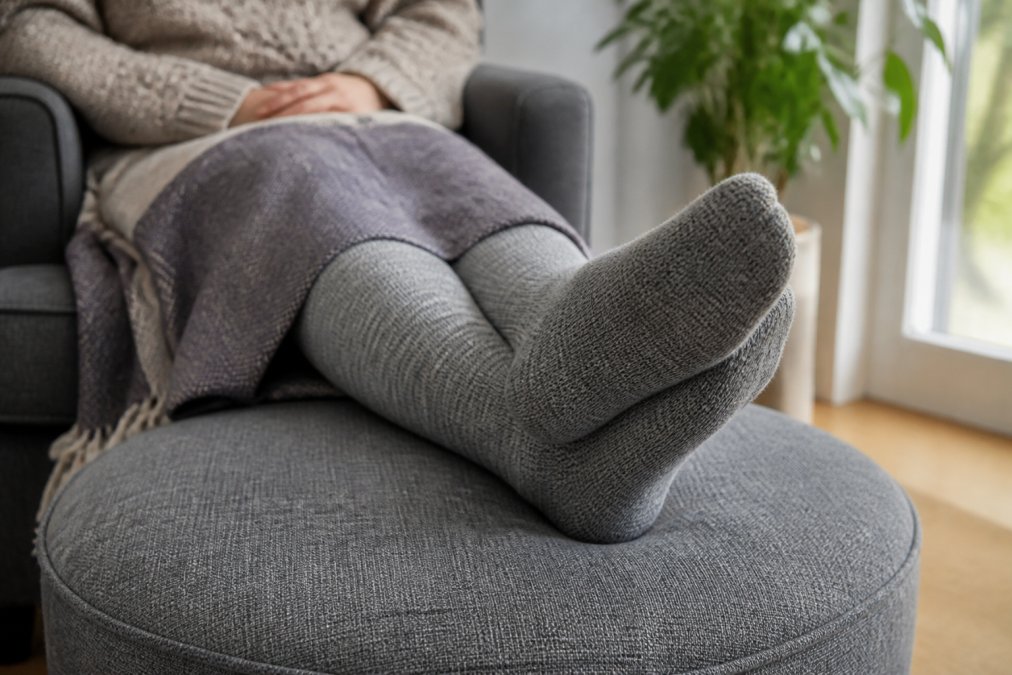
Circulation challenges stem from three interconnected problems: moisture accumulation, temperature instability, and pressure points that constrict blood flow. Alpaca socks solve all three simultaneously, they regulate temperature, eliminate moisture, and use graduated compression without the itching that deters users from wearing traditional compression socks.
Poor circulation compounds quickly: moisture-trapped feet develop fungal infections, cold feet trigger vasoconstriction, and tight elastic bands cut off venous return. Alpaca compression socks interrupt this cascade by addressing root causes.
Alpaca Compression Socks Benefits for Blood Flow and Swelling
Graduated compression technology integrated with alpaca fiber delivers measurable benefits for users managing circulatory concerns. Manufacturers are combining alpaca wool with nylon and elastane to provide both thermal regulation and graduated pressure for circulation, according to Clohill's analysis of medical-grade compression technology. The compression gradient, tightest at the ankle, gradually decreasing toward the calf, mimics the body's natural pumping mechanism, pushing blood upward against gravity.
Swelling reduction happens through two mechanisms: compression forces venous return and prevents fluid pooling, while moisture-wicking prevents inflammation from wet skin.
Graduated Compression Technology
Graduated compression is strongest at the ankle (typically 15-20 mmHg) and gradually decreases up the leg. This pressure differential assists your calf muscle pump, pushing blood back to your heart. Without it, blood pools in the feet, causing swelling, fatigue, and heaviness.
The Purely Alpaca USA Made Alpaca Compression Socks deliver 15-20 mmHg of progressive support with reinforced heels and toes.

Venous Return and Fatigue Reduction
Venous return depends on pressure. Compression socks artificially create the pressure that normally comes from muscle movement, pushing blood upward even when you're stationary.
Moisture-Wicking and Thermoregulation for Foot Health
The hollow-core fiber structure of alpaca wool aids in thermoregulation and moisture-wicking by keeping feet dry and maintaining optimal temperature, a key factor for individuals with circulatory concerns such as diabetics, according to Warrior [Alpaca Socks(/products/redmaple-copper-crew-alpaca-socks)' diabetic-focused sock guidance | warrioralpacasocks.com]. Moisture management emerges as the overlooked foundation of foot health. Wet feet develop fungal infections, blisters, and skin breakdown within days. Thermoregulation prevents the vasoconstriction that cold feet trigger.
Alpaca Socks for Diabetics: Non-Binding Design and Safety
Design focus has shifted toward eliminating tight elastic bands to prevent constriction of blood vessels in the lower extremities, according to Warrior [Alpaca Socks(/blogs/purelyalpaca-blog/best-alpaca-socks-for-cold-feet)' non-binding design philosophy | warrioralpacasocks.com]. This shift reflects hard-won clinical insight: tight elastic bands, even those that feel comfortable initially, restrict blood flow over 8+ hours of daily wear. For diabetics, whose circulation is already compromised, this restriction can accelerate neuropathy and skin breakdown.
Why Non-Binding Cuffs Matter
A non-binding cuff accommodates calf swelling without constricting blood vessels. Non-binding designs expand with your leg, maintaining consistent pressure.
Hypoallergenic Properties and Sensitive Skin
Alpaca fiber is naturally hypoallergenic because it lacks lanolin, the waxy compound in sheep's wool that triggers itch responses. For diabetics, this prevents skin irritation that leads to scratching and infection. Consistency of wear drives circulation improvements.
USA Made Alpaca Compression Socks →
Non-Binding Socks for Circulation: Pressure Relief Without Constriction
Non-binding designs solve the compression paradox by using graduated compression that mimics natural muscle pressure. The sock applies pressure at the ankle and lower calf while allowing the upper calf to expand freely.
Alpaca Fiber Composition: Why It Outperforms Other Materials
Alpaca fiber is recognized for its natural resilience and fiber strength, contributing to the functional longevity of socks used for therapeutic or athletic purposes, according to The Cambridge Sock Company's 2026 alpaca sock guide. The fiber's hollow-core structure creates thermal pockets that trap air for insulation while allowing moisture vapor to escape. This is why alpaca manages both warmth and dryness, a combination that synthetic and wool options struggle to achieve simultaneously.
| Material | Water Retention | Itch Risk | Durability | Cost per Year |
|---|---|---|---|---|
| Alpaca | 8% | Very Low | 2+ years | $15-20 |
| Merino Wool | 15% | Moderate | 18 months | $20-25 |
| Cotton | 25% | Low | 12 months | $20-30 |
| Synthetic | 5% | Low | 6-12 months | $24-36 |
Durability, Maintenance, and Long-Term Value
Alpaca compression socks require specific care: hand wash in lukewarm water and lay flat to dry. Machine drying on high heat degrades elastane fibers, reducing lifespan from 2+ years to 6-12 months.
Sizing, Fit, and Medical Contraindications
Proper fit determines whether compression socks deliver benefits or cause problems. Socks that are too tight restrict circulation; socks that are too loose provide no compression benefit. Sizing charts matter because sock sizing differs from shoe sizing, a size 10 shoe typically corresponds to a medium or large sock, depending on calf width.
Frequently Asked Questions
What are the best socks for people with poor circulation?
Alpaca socks designed for circulation combine moisture-wicking properties with compression or non-binding designs. Alpaca fiber wicks moisture, keeping feet dry and preventing fungal growth. For poor circulation, look for graduated compression (15-20 mmHg) paired with alpaca's natural thermoregulation, which maintains optimal foot temperature. Non-binding options work well for those with sensitive circulation or diabetic concerns, as they avoid calf constriction that restricts blood flow.
How do alpaca compression socks benefits compare to regular compression socks?
Alpaca compression socks combine graduated compression support with natural fiber advantages. Unlike synthetic compression socks, alpaca's hollow-core fiber structure provides thermoregulation alongside compression, keeping feet warm without overheating. Alpaca fiber has a low water retention rate, so your feet stay dry during extended wear. This moisture management is critical for circulation health, as damp skin increases infection risk and reduces the effectiveness of compression therapy.
Are alpaca socks suitable for diabetics with circulation concerns?
Yes. Alpaca socks for diabetics are specifically designed with non-binding openings, eliminating calf constriction that impairs blood flow. The soft, smooth alpaca fiber is hypoallergenic and free of lanolin, reducing irritation on sensitive diabetic skin. Alpaca's moisture-wicking capability helps prevent the damp environment where fungal infections thrive, a serious concern for diabetic foot health. The Soft Touch Therapeutic Alpaca Slouchy Socks ($29.95) are frequently recommended for diabetics seeking gentle, non-restrictive warmth.
Do alpaca socks help with Raynaud's syndrome or chronic cold feet?
Alpaca's natural thermoregulation makes it effective for managing Raynaud's symptoms and chronic cold feet. The fiber adapts to your environment, trapping warmth in cooler conditions while remaining breathable when needed. Unlike synthetic materials that trap moisture and create temperature swings, alpaca maintains stable foot temperature by managing both heat and moisture. This stability reduces the vascular stress that triggers Raynaud's episodes. Many users with chronic cold feet report improved comfort and fewer temperature-related symptoms with consistent alpaca sock wear.
How do I care for alpaca socks to maintain their compression and circulation benefits?
Proper care preserves both compression integrity and fiber quality. Most alpaca socks should be turned inside out and machine washed in cold or warm water on a gentle cycle. Flat drying is essential, tumble drying on low heat is acceptable for some styles, but air drying extends sock life. Avoid high heat, which can damage the fiber's elasticity and compromise compression support. Hand washing in lukewarm water with mild baby shampoo offers the gentlest option. Check your specific sock's care tag, as blended materials may have different requirements.
What makes alpaca fiber better than merino wool for circulation support?
Alpaca fiber outperforms merino wool in moisture management and comfort. Alpaca has a low water retention rate, meaning alpaca socks keep feet drier longer. Alpaca wicks moisture, critical for preventing fungal growth and maintaining healthy circulation. Additionally, alpaca is naturally hypoallergenic and free of lanolin, making it gentler on sensitive skin. While merino offers some benefits, alpaca's superior fiber properties make it the better choice for those prioritizing circulation health and moisture control.
Can non-binding alpaca socks provide enough support for serious circulation problems?
Non-binding alpaca socks work best for mild to moderate circulation concerns and diabetic foot care. They provide gentle support through arch bands and secure fit without calf constriction. For more serious circulatory issues like peripheral artery disease or severe edema, graduated compression socks (15-20 mmHg) are more appropriate. The USA Made Alpaca Compression Socks ($39.95) offer medical-grade compression integrated with alpaca's natural benefits. Always consult your healthcare provider about compression levels suitable for your specific condition before choosing a sock style.
How long do alpaca socks last compared to other materials?
Alpaca socks built with quality construction typically outlast standard cotton or synthetic alternatives. The fiber's natural resilience and strength support functional longevity, especially when reinforced in high-wear areas like heels and toes. Proper care, flat drying, avoiding high heat, and gentle washing, extends lifespan significantly. Reinforced cushioning and arch support bands in compression styles further enhance durability, making alpaca's higher upfront cost a better long-term value.