




PurelyAlpaca BLOG
-

Alpaca - All Natural Scarves
Crafted from luxuriously soft 100% baby alpaca, this undyed natural scarf embodies understated elegance and sustainable style. The soft gently brushed texture provides warmth and comfort, while the artfully twisted fringes add...
-

Alpaca Loving Photographers Needed
looking for skilled photographers for product shoots
-
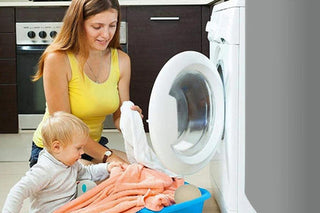
How to care for alpaca clothing
How to simply and safely care for your fine alpaca clothing.
-
Give them a PurelyAlpaca Gift Card!
Can't decide what the perfect alpaca gift is? Trying to decide between Alpaca Socks or an Alpaca Scarf? Or between a pair of OutdoorAdventure Alpaca Socks or Superwarm Alpaca Socks?...
-
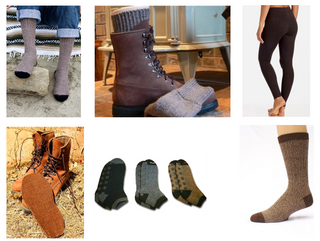
What are your favorite winter socks?
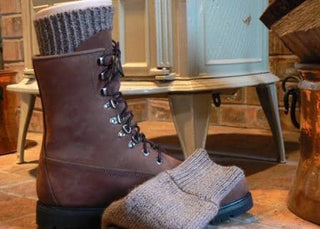
Are your feet COLD right now? Brrrrr! They don't have to be, with this natural alpaca fiber shoe insert grown and crafted in the USA. They will keep you WARM - from...
-

Do you have your own (alpaca) avatar?
OK, maybe it doesn't have to be an alpaca (should!) but I recently fell on the concept of a network shared avatar or image/symbol that is FREE and associates with...
-
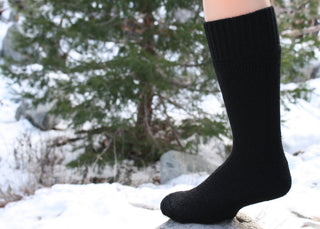
Alpaca sock? What makes a good alpaca sock? 100% Alpaca? Why alpaca?
All About Alpaca Socks For many of us, socks are big topic! We hear all kinds of questions about alpaca socks: "What is alpaca?" "What are the WARMEST alpaca socks?" "What...
-
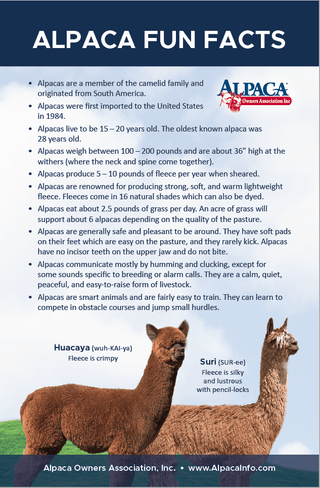
Alpaca Fun Facts
Fun alpaca facts from the Alpaca Owners Association.
-

Bow Hunters Take a Stand for Superwarm Alpaca Socks
"Ditch the useless wool socks and get ALPACA socks. I preach this on bowsite all the time and the few that listened are happy campers. Alpaca is way warmer then...
-

PurelyAlpaca Announces 100% Natural Alpaca Bed Pillows
PurelyAlpaca.com is pleased to offer a new unique find... 100% Natural Alpaca Pillows! The ultimate in healthy luxury and comfort, the alpaca bed pillows are so very good for you and your...
-
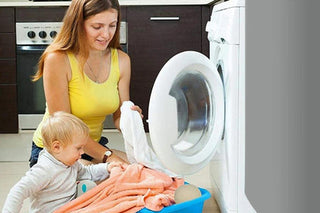
Simple Alpaca Products Care Instructions
Congratulations on your choice to wear alpaca! You clearly appreciate the finer things and know that a quality fiber item is worth keeping for a long time. The information below...
-
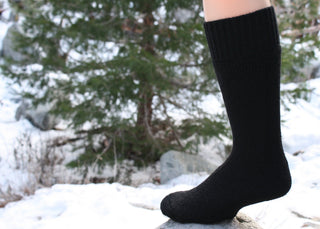
TOP 5 ACCESSORIES YOU NEED ON YOUR NEXT FISHING TRIP
TOP 5 ACCESSORIES YOU NEED ON YOUR NEXT FISHING TRIP











